How to Avoid Scams When Selling Your Van Privately
 sellvanforce
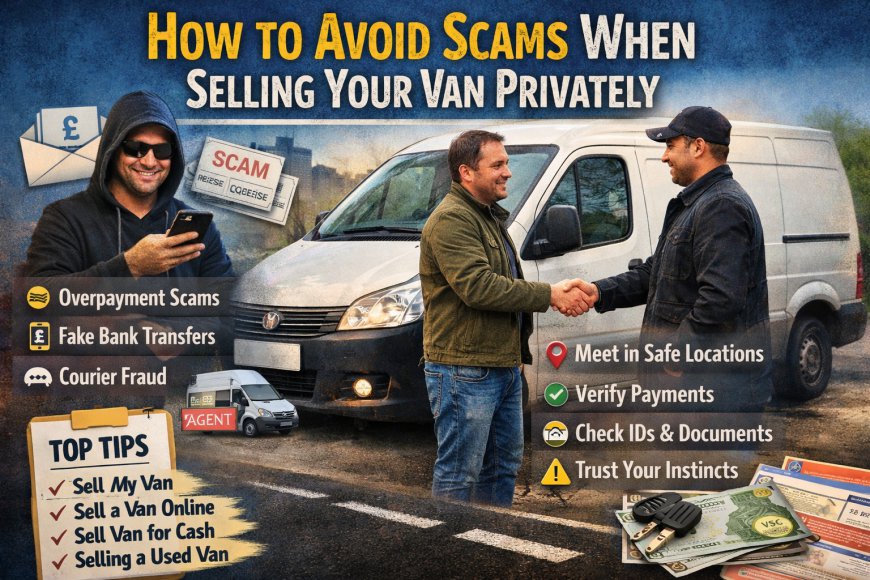
Deciding to sell your van can feel like a big step, especially if you’re doing it yourself for the first time. Many owners choose private sales because they want a better return, more control, and fewer middlemen. Whether you’re thinking “I need to sell my van quickly” or simply want a fair price, selling a van privately can be rewarding but it also comes with risks.
Unfortunately, van scams are becoming more common across the UK. Fraudsters actively target private sellers, especially those advertising online. The good news is that most scams are avoidable once you understand how they work and know what warning signs to look out for.
This guide explains how to protect yourself at every stage, from listing your van to handing over the keys.
Why Private Van Sellers Are Often Targeted
Scammers prefer private sellers for one simple reason: there’s less protection than when dealing with a dealership. If you’re selling a used van yourself, you’re responsible for the advert, the payment, and the paperwork. Criminals take advantage of this by creating urgency or confusion.
Vans are especially attractive because they’re always in demand. Tradespeople, couriers, and small businesses are constantly looking to buy, which makes it easier for scammers to blend in as “genuine buyers”.
Be Smart About Where You Advertise
If you plan to sell a van online, the platform you choose matters. Reputable UK marketplaces offer some level of moderation, message tracking, and user verification. Problems usually start when sellers are encouraged to move conversations away from the platform too quickly.
Protect yourself by:
-
Keeping early conversations on the selling platform
-
Avoiding buyers who push for WhatsApp or email straight away
-
Being cautious with ads placed on poorly moderated sites
A real buyer won’t object to sensible communication boundaries.
Don’t Trust Buyers Who Rush Everything
One of the biggest red flags when selling a van privately is a buyer who wants to move too fast. If someone agrees to your price instantly, doesn’t ask about condition or history, and wants to pay without viewing the van, take a step back.
A genuine buyer will usually ask about:
-
Mileage and service history
-
MOT status
-
How the van has been used
-
Any faults or repairs
Scammers avoid details because they aren’t interested in the van itself.
Avoid Overpayment and Refund Scams
This is one of the most common tricks used against people trying to sell a van. The buyer sends more money than agreed and asks you to refund the difference, often blaming a “clerical error” or third-party agent.
What actually happens is:
-
The original payment later fails or is reversed
-
The refund you sent is real money
-
The buyer disappears
When selling a used van, only accept the exact amount you agreed on. No overpayments, no refunds, no exceptions.
Be Careful With Bank Transfers
Bank transfers are popular, but they’re only safe if handled properly.
Best practice includes:
-
Waiting until the funds show as fully cleared in your account
-
Ignoring screenshots or “pending payment” messages
-
Never releasing the van or paperwork early
If someone pressures you to hand over the keys before the money arrives, walk away.
Selling a Van for Cash: Do It Safely
Many people prefer to sell van for cash, and that’s perfectly legal in the UK. However, it needs to be done carefully.
If you accept cash:
-
Meet at your bank branch where the money can be checked and deposited
-
Avoid counting large sums in public car parks
-
Check notes carefully for counterfeits
A genuine buyer will respect these precautions and won’t rush you.
Never Hand Over the V5C Too Early
The V5C logbook is valuable and can be misused. Scammers may ask for photos of it “to check details”. There’s no good reason for this.
Only hand over the V5C when:
-
Full payment has been received
-
The van is leaving your possession
-
You’re completing the change of keeper immediately
This rule is especially important when selling a van privately, as there’s no dealer buffer to protect you.
Be Wary of Courier or “Agent” Buyers
Some scammers claim they can’t collect the van themselves and will send a courier or transport company. This often comes with promises of easy payment and quick collection.
In reality, these deals usually involve:
-
Fake or reversible payments
-
Requests for upfront delivery fees
-
Buyers who vanish once money is sent
If someone wants to sell a van online without viewing it or sending a verified representative, it’s safer to decline.
Trust Your Gut Feeling
Most people who get scammed say the same thing afterwards: “Something didn’t feel right.” Trust that instinct.
Warning signs include:
-
Pressure to act quickly
-
Poor communication mixed with formal language
-
Complicated payment stories
-
Refusal to meet in person
There’s no harm in saying no. When you’re trying to sell my van safely, patience is your biggest defence.
Protect Your Personal Details
When selling a used van, buyers do not need sensitive personal information.
Never share:
-
Passport or driving licence copies
-
Utility bills
-
Full bank details beyond what’s required for payment
Identity theft is a growing risk, and scammers often want more than just the vehicle.
Meet Buyers in Safe Locations
Always choose safe, public places for viewings when possible. If you’re meeting at home, make sure someone else is present or nearby.
Let a friend or family member know:
-
Where you’re meeting
-
Who you’re meeting
-
What time
Safety should never be compromised for convenience.
Always Use a Written Receipt
A simple written receipt protects both you and the buyer. It should include:
-
Full names of buyer and seller
-
Date and time of sale
-
Vehicle registration and mileage
-
Sale price
-
“Sold as seen” wording
This is especially important when selling a van privately, as disputes are harder to resolve later.
Complete the DVLA Change Immediately
As soon as the van is sold:
-
Update the keeper details online
-
Cancel your insurance
-
Keep confirmation emails
This prevents fines or offences being linked back to you after the sale.
Don’t Let Urgency Push You Into Mistakes
Scammers love urgency. They’ll claim they need the van today or that another buyer is waiting. Real buyers understand that selling a van involves checks, paperwork, and time.
If you feel rushed, slow the process down or walk away.
Final Thoughts
Whether you’re selling a used van, trying to sell a van online, or planning on selling a van privately for the best price, staying alert is essential. Scams rely on pressure, confusion, and trust. By taking your time, verifying payments, and trusting your instincts, you dramatically reduce the risk.
A genuine buyer will never object to sensible precautions. If they do, they’re not the right buyer.
Take control of the process, stay cautious, and your van sale can be smooth, safe, and successful.