How to Choose the Right Water Pressure System for Your Property
 mgprojects
Consistent water pressure is important for homes, apartments, commercial buildings, and industrial facilities. When water pressure is too low, taps may deliver a weak flow, showers may not work properly, and water may take longer to reach upper floors. A suitable pumping system can improve water distribution and maintain a steady flow across different points of use.
Choosing the right system depends on several factors, including the building height, number of outlets, water demand, available storage, pipe layout, and required pressure. A properly selected system can improve performance while avoiding unnecessary energy consumption and frequent maintenance.
Why Pressure Booster Systems Matter
Water pressure can vary throughout a property because of elevation differences, pipe resistance, changing demand, and limitations in the existing supply network. These issues become more noticeable when several outlets operate at the same time.
A pressure boosting arrangement helps maintain the required flow when the incoming supply does not provide sufficient pressure. The system can be designed according to the specific requirements of the property, making it suitable for different building sizes and water usage patterns.
For residential applications, the system should provide adequate pressure without creating excessive pressure in the plumbing network. Commercial and larger properties may require higher capacity pumps and more advanced control arrangements to manage changing demand.
Selecting a Hydro-Based Pumping Arrangement
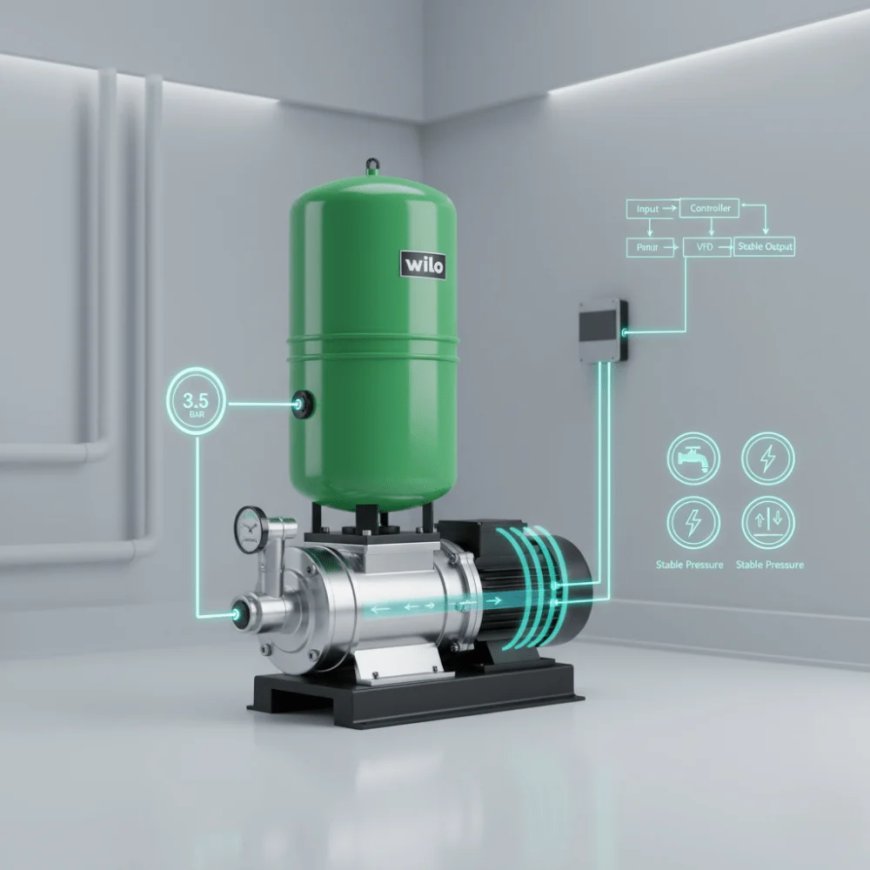
A hydro pneumatic system can help maintain water pressure by combining pumping equipment with a pressure vessel and suitable controls. A water pressure booster pump can support consistent water flow where the existing supply does not provide sufficient pressure.
The arrangement is designed to supply water at a controlled pressure and reduce unnecessary pump operation when demand is low. The arrangement is designed to supply water at a controlled pressure and reduce unnecessary pump operation when demand is low.
This type of setup can be useful where water demand changes throughout the day. Instead of running continuously, the pump can operate according to pressure requirements. This may help improve system efficiency and reduce mechanical wear.
The size of the pressure vessel, pump capacity, operating pressure, and control method should be selected according to actual water requirements. Incorrect sizing can lead to frequent pump starts, unstable pressure, or insufficient flow.
Choosing a System for Domestic Applications
Residential buildings often experience fluctuating water demand. Morning and evening periods can create higher consumption because multiple fixtures may be used at the same time. A suitable Domestic Pressure Booster System can help maintain reliable pressure across bathrooms, kitchens, utility areas, and other water outlets.
The system should match the number of occupants, plumbing configuration, building height, and expected peak demand. For multi-storey homes, pressure requirements can be different from those of single-level properties. Proper selection ensures that water reaches higher floors without placing excessive pressure on lower-level fixtures.
A well-designed setup can also provide a more comfortable water supply by maintaining consistent flow when different outlets are operating.
Understanding Different Pressure Requirements
Not every property needs the same pumping capacity. A small residence may require a compact solution, while a large apartment or commercial facility can require multiple pumps and advanced controls. The required flow rate and pressure should therefore be calculated before selecting equipment.
A Pressure Booster System should be capable of meeting peak demand while maintaining stable operation during periods of lower consumption. Pump selection should consider both present requirements and possible future changes in water usage.
Pipe diameter is another important factor. Undersized pipes can restrict flow and increase pressure losses, reducing the effectiveness of the pumping system. The condition and arrangement of the existing plumbing network should also be considered during system planning.
Submersible Pumping Applications
Some water supply arrangements require pumping equipment that can operate directly inside a water source or storage tank. In such situations, a Submersible Booster System can provide an effective method of transferring water while maintaining the required flow.
Submersible equipment can be useful where space is limited or where the pumping arrangement needs to be installed within a tank or water source. Selection should consider water quality, tank depth, required flow, head, motor capacity, and operating conditions.
Correct installation is important for dependable performance. Electrical connections, pump positioning, discharge piping, and protection against dry running should be properly planned according to the installation requirements.
Factors That Affect Pump Selection
Pump selection should begin with an accurate assessment of water demand. Flow rate indicates how much water needs to be delivered, while head determines the pressure required to move water through the building and overcome elevation and pipe losses.
Operating conditions should also be reviewed. Frequent starting and stopping can affect pump life, particularly when equipment is not properly matched to demand. Suitable controls can help regulate operation and maintain more stable pressure.
Energy efficiency is another consideration. Selecting a pump that is significantly larger than required can increase operating costs without providing meaningful benefits. On the other hand, an undersized pump may struggle to maintain pressure during peak demand.
Installation and System Maintenance
Proper installation has a direct effect on the performance and service life of pumping equipment. The suction and discharge arrangement, electrical supply, pressure controls, valves, and protection systems should all be installed correctly.
Routine inspection can help identify problems before they affect the water supply. Pump performance, pressure levels, electrical connections, valves, and associated components should be checked at suitable intervals. Unusual noise, vibration, pressure fluctuations, or reduced flow may indicate that inspection or servicing is required.
Professional planning is particularly important for larger installations because incorrect system design can affect both performance and operating costs. MG Projects can assist with selecting and implementing suitable pumping solutions according to site requirements.
Creating a Reliable Water Supply
A reliable water pressure system should be selected according to the actual requirements of the property rather than based only on pump capacity. Building height, peak consumption, storage arrangements, pipe conditions, and required pressure all influence the final system design.
Whether the requirement involves a hydro-based arrangement, domestic pressure boosting, or a submersible pumping setup, proper sizing and installation are essential. A carefully planned system can provide consistent water flow, support efficient operation, and reduce avoidable maintenance problems.
Understanding the property's water requirements before purchasing equipment makes it easier to choose a system that delivers dependable performance for everyday use. With the right design and installation approach, water pressure can remain stable even when demand changes across different areas of a building.