Hypertrophic Scar Market Size, Trends, and Growth Analysis 2026-2033
The hypertrophic scar market is witnessing significant evolution driven by advancements in treatment modalities and rising awareness of scar management. Increasing prevalence of burn injuries and surgical procedures globally fuels demand, reflecting robust business growth and expanding market opportunities. Comprehensive market analysis highlights promising avenues for investment and innovation within this evolving healthcare segment.
 coherentmi21
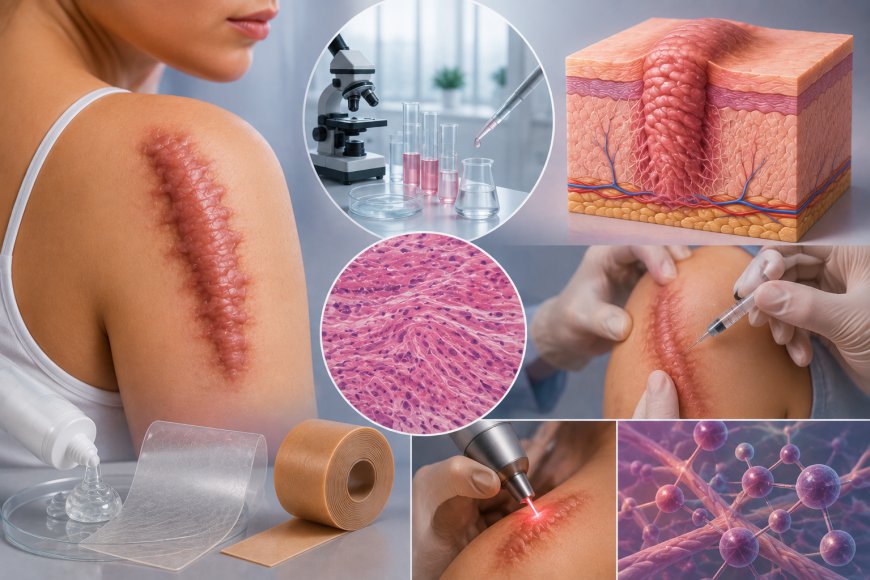
The hypertrophic scar market is witnessing significant evolution driven by advancements in treatment modalities and rising awareness of scar management. Increasing prevalence of burn injuries and surgical procedures globally fuels demand, reflecting robust business growth and expanding market opportunities. Comprehensive market analysis highlights promising avenues for investment and innovation within this evolving healthcare segment.
Market Size and Overview
The hypertrophic scar market is estimated to be valued at USD 6.25 Bn in 2025 and is expected to reach USD 9.84 Bn by 2032, growing at a compound annual growth rate (CAGR) of 6.7% from 2025 to 2032.
This Hypertrophic Scar Market Forecast underscores the expanding market revenue driven by growing incidence rates of hypertrophic scarring and increased adoption of advanced scar treatment products. Market trends suggest rising demand for minimally invasive therapies and silicone-based products as key market segments gain traction.
Market Drivers
- Increasing Prevalence of Injuries and Surgeries: A prominent market driver is the surge in burn injuries and post-surgical procedures globally. For example, in 2024, the World Health Organization reported a 12% increase in burn-related hospitalizations, fueling demand for effective hypertrophic scar management solutions.
- Product Innovation: The launch of novel scar treatment formulations, including bioengineered skin substitutes and corticosteroid-based therapies in 2025, has significantly contributed to market growth strategies by providing better therapeutic outcomes. Recent real-world market revenue data supports increased adoption of these treatments in both developed and emerging regions.
PEST Analysis
- Political: Government initiatives in developed countries like the U.S. and EU to improve burn care infrastructure in 2024 have stimulated investments in scar treatment technologies, positively influencing the market scope. Regulatory approvals for new treatment devices and drugs also play a critical role.
- Economic: The steady rise in healthcare expenditure globally, particularly in Asia-Pacific with a 7% rise in 2025, drives demand for high-value hypertrophic scar treatment products, impacting market dynamics favorably. Economic growth in emerging markets expands consumer access to advanced therapies.
- Social: Increasing cosmetic consciousness and awareness about scar management in 2024 have escalated consumer demand for effective hypertrophic scar treatments, enhancing market share for premium products. Additionally, aging populations are boosting demand for post-surgical care.
- Technological: Innovations in laser therapies and drug delivery systems in 2025 have expanded the therapeutic landscape, with companies integrating AI-driven diagnostic tools improving treatment personalization. These technological advancements directly influence market growth and revenue streams.
Promotion and Marketing Initiatives
Robust promotional strategies, such as webinars and direct-to-consumer digital campaigns launched by key market companies in 2024, have enhanced treatment adoption. For instance, a leading healthcare company implemented an online education drive targeting dermatologists and plastic surgeons, resulting in a 15% increase in product inquiries and a subsequent revenue uplift. Such marketing initiatives are instrumental in creating awareness about treatment benefits and expanding the hypertrophic scar market’s footprint.
Key Players
- Smith & Nephew plc
- 3M Company
- Medline Industries, Inc.
- ConvaTec Group plc
- Mölnlycke Health Care AB
Recent strategies include:
- Smith & Nephew’s expansion of their scar management portfolio with the launch of a novel silicone gel sheet in early 2025, leading to a 10% increase in regional market share.
- 3M Company entered strategic partnerships with dermatology clinics in Asia-Pacific in 2024, boosting their hypertrophic scar market revenue by expanding product reach.
- ConvaTec Group focused on R&D to enhance bioengineered skin substitutes in 2025, contributing to increased product efficacy and higher adoption rates.
- Medline Industries developed bundled treatment offerings integrating wound care and scar management tools in 2024, improving end-user convenience and driving sales growth.
- Mölnlycke Health Care AB adopted direct distribution expansion across emerging markets in 2025, increasing overall market presence and revenue.
Frequently Asked Questions (FAQs)
1. Who are the dominant players in the hypertrophic scar market?
Dominant market players include Smith & Nephew plc, 3M Company, Medline Industries, Inc., ConvaTec Group plc, and Mölnlycke Health Care AB, recognized for their innovative product launches and strategic expansions in 2024 and 2025.
2. What will be the size of the hypertrophic scar market in the coming years?
The hypertrophic scar market is projected to grow from USD 6.25 billion in 2026 to approximately USD 9.84 billion by 2033, reflecting a steady CAGR of 6.7% according to recent market forecast data.
3. Which end-user industry has the largest growth opportunity?
The healthcare and cosmetic surgery sectors present the largest growth opportunities due to increasing surgical procedures and rising patient awareness about scar prevention and treatment.
4. How will market development trends evolve over the next five years?
Market trends suggest a surge in adoption of bioengineered products and laser therapies, supported by technological advances and digital promotion strategies, which will continue to shape the hypertrophic scar market growth.
5. What is the nature of the competitive landscape and challenges in the hypertrophic scar market?
The competitive landscape is characterized by intense innovation and diverse treatment options. Challenges include regulatory hurdles and the high cost of advanced therapies, which require adaptive market growth strategies.
6. What go-to-market strategies are commonly adopted in the hypertrophic scar market?
Key strategies include partnerships with healthcare providers, digital marketing campaigns, product diversification, and regional expansion focusing on emerging markets to drive business growth and increase industry share.
‣ Get this Report in Japanese Language: 肥厚性瘢痕市場
‣ Get this Report in Korean Language: 비대성흉터시장
About Author:
Vaagisha brings over three years of expertise as a content editor in the market research domain. Originally a creative writer, she discovered her passion for editing, combining her flair for writing with a meticulous eye for detail. Her ability to craft and refine compelling content makes her an invaluable asset in delivering polished and engaging write-ups.