Best Registered Massage Therapist: A Practical Guide to Choosing the Right Professional
Learn how to choose the best registered massage therapist by checking credentials, experience, treatment methods, communication, reviews, and care quality.
 yorkmillspa
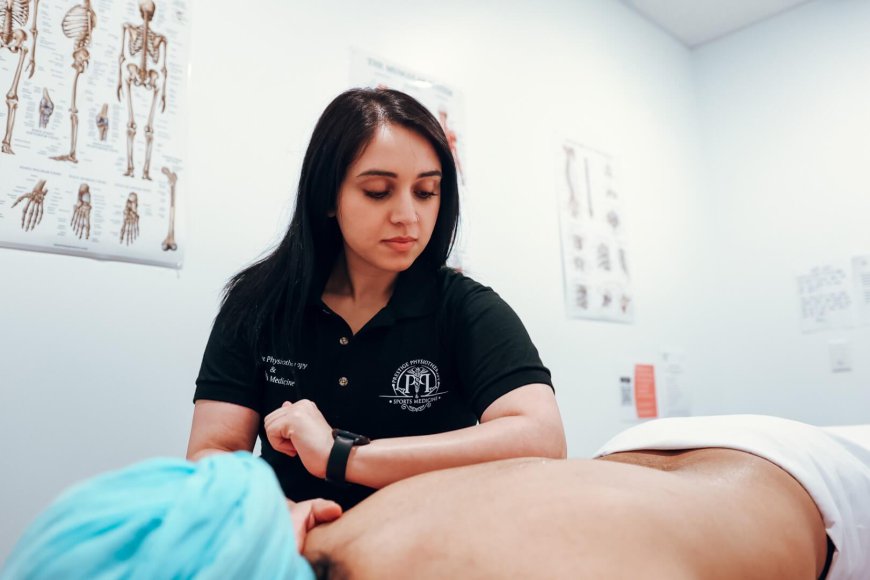
Finding the best registered massage therapist is not simply a matter of choosing the closest clinic or the practitioner with the most positive online reviews. A good choice involves looking at professional registration, education, relevant experience, communication, treatment methods, and the therapist's ability to understand your specific needs. These factors can help you identify a practitioner who provides professional and appropriate massage therapy.
The best registered massage therapist for one person may be very different from the best choice for another. A person dealing with muscle tension from desk work may have different goals from an athlete focused on recovery or someone looking for relaxation. Identifying your reason for seeking treatment first allows you to compare therapists based on factors that are actually relevant to you.
What Is a Registered Massage Therapist?
A registered massage therapist is a trained professional who uses hands-on techniques to work with soft tissues of the body. Depending on the jurisdiction, registration may require approved education, examinations, professional standards, and continuing competency requirements.
Massage therapy can involve several techniques and approaches. Clients may seek treatment for muscular tension, stiffness, activity-related concerns, mobility, relaxation, or general wellness. The treatment selected should reflect the client's goals and circumstances.
Why Professional Registration Matters
Professional registration gives clients a way to verify that a practitioner has met the requirements established by the applicable regulatory organization. Since registration rules differ by location, clients should check the relevant regulatory body in their area.
Registration can also matter for insurance coverage. Some extended health plans require massage therapy services to be provided by an eligible registered practitioner. If you plan to submit treatment expenses, review your insurance requirements before booking.
How to Choose the Best Registered Massage Therapist
Choosing the right practitioner involves looking at several factors together rather than relying on one feature.
Verify Credentials and Education
Begin by checking the therapist's current registration and professional qualifications. A reputable practitioner should be able to explain their training and areas of practice.
You can also ask about continuing education. Additional training may be useful if you have a specific treatment goal or are looking for a particular massage therapy approach.
Consider Relevant Experience
A therapist's experience is most useful when it relates to your reason for seeking care. For example, someone who works at a desk for several hours each day may want a therapist familiar with common neck, shoulder, and upper-back tension.
A person who participates in running, cycling, weight training, or another sport may prefer someone who regularly works with physically active clients.
Rather than asking only how many years a therapist has practiced, ask whether they have experience with concerns similar to yours.
Assess the Initial Consultation
A professional therapist should ask relevant questions before starting treatment. These may cover your symptoms, previous injuries, physical activities, health history, work habits, and treatment objectives.
The therapist may also assess movement or areas of muscular tension. This information can help determine which areas require attention and which techniques are appropriate.
Qualities of a Professional Massage Therapist
Clear Communication
Good communication is important throughout the treatment process. The therapist should explain what will happen and give you an opportunity to ask questions.
During the session, you should feel comfortable discussing pressure, positioning, discomfort, or any other concern. Your feedback should be treated as useful information rather than an inconvenience.
Respect for Consent and Boundaries
Massage therapy involves physical contact, so consent and personal boundaries are essential. A professional therapist should explain relevant procedures and use appropriate draping and positioning.
You should always be able to communicate your preferences and decline a technique you do not want.
Personalized Treatment
A professional therapist should recognize that clients have different needs. Treatment can be adjusted according to your goals, current condition, previous response to therapy, and comfort level.
This individualized approach is an important quality to look for when searching for the best registered massage therapist.
Understanding Common Massage Therapy Approaches
Different techniques may be suitable for different objectives.
Therapeutic Massage
Therapeutic massage generally focuses on specific areas of muscular tension, discomfort, or restricted movement. The therapist may adjust techniques and pressure during the appointment based on your response.
Deep Tissue Techniques
Deep tissue techniques involve more focused pressure on selected tissues. They can be appropriate for some clients, but deeper pressure does not automatically mean better treatment.
Excessive pressure may cause unnecessary soreness. Treatment intensity should be selected according to the individual's needs, treatment goals, and tolerance.
Sports Massage
Sports massage is commonly chosen by people who participate in regular physical activity. Depending on the timing and purpose of treatment, it may focus on mobility, recovery, or preparation for physical activity.
Relaxation Massage
Relaxation massage generally uses comfortable pressure and flowing movements. It may be appropriate for people who want a calming experience or relief from everyday muscular tension.
A qualified therapist should explain why a specific approach is appropriate rather than applying the same technique to every client.
Practical Benefits of Choosing the Right Therapist
More Personalized Care
When a therapist understands your objectives, treatment can focus on relevant areas and techniques. This can make each appointment more purposeful.
Better Communication About Your Progress
Your response to treatment can help guide future sessions. If a technique feels helpful, the therapist can consider continuing or adapting it. If you experience excessive soreness, the approach can be changed.
Realistic Professional Guidance
A registered massage therapist can explain what massage therapy may reasonably accomplish. Depending on your situation, they may also discuss general recovery habits, movement, or other supportive strategies.
Massage therapy should not replace medical evaluation when symptoms require diagnosis or treatment by another healthcare professional.
Common Challenges and Considerations
Online Reviews Are Not Enough
Online reviews can provide insight into customer service, scheduling, communication, and general client experiences. However, reviews cannot establish whether a therapist has the appropriate expertise for your particular concern.
Use reviews as one factor alongside registration, qualifications, experience, and treatment approach.
Results Vary
Massage therapy does not produce identical results for every person. Outcomes can depend on the reason for treatment, duration of symptoms, activity level, treatment frequency, and individual response.
Be cautious about therapists who promise guaranteed results or claim massage therapy can cure every condition.
Price Should Not Be the Main Factor
Cost matters, but it should be considered alongside qualifications, experience, appointment duration, treatment approach, location, communication, and insurance eligibility.
The least expensive option is not necessarily the best value, while a higher fee does not guarantee better care.
Some Concerns Need Medical Assessment
Massage therapy is not appropriate for every situation. Severe unexplained pain, significant swelling, sudden weakness, serious injury, or other concerning symptoms may require evaluation by an appropriate healthcare professional.
A responsible therapist should recognize when treatment needs to be modified, postponed, or followed by referral.
Key Questions to Ask Before Booking
Before choosing a therapist, consider asking:
-
Are you currently registered with the relevant regulatory organization?
-
What types of massage therapy do you provide?
-
Do you have experience with my specific concern?
-
What happens during the first appointment?
-
How do you decide which techniques to use?
-
Do you provide receipts for insurance purposes?
-
What should I do if treatment becomes uncomfortable?
Clear and detailed answers can help you determine whether the therapist's approach matches your needs.
Frequently Asked Questions
1. How can I find the best registered massage therapist?
Check professional registration, education, relevant experience, treatment methods, communication, and client feedback. Choose a practitioner whose experience aligns with your treatment goals.
2. Should I rely on online reviews?
Reviews can be useful for understanding general client experiences, but they should not be the only deciding factor. Consider reviews alongside credentials, registration, and relevant professional experience.
3. What happens during the first massage therapy appointment?
The therapist generally asks about your concerns, health history, physical activity, previous injuries, and treatment goals. They may assess relevant areas before beginning treatment.
4. Does massage therapy need to be painful to be effective?
No. Pain is not a reliable measure of effectiveness. Pressure should be appropriate for the technique and the individual. Tell your therapist if treatment becomes painful or excessively uncomfortable.
5. How often should I see a registered massage therapist?
There is no universal schedule. Frequency depends on your goals, response to treatment, physical activity, and professional recommendations. Your treatment plan can be adjusted as your needs change.
Conclusion
Choosing the best registered massage therapist involves evaluating professional registration, education, relevant experience, communication, consent, treatment methods, and individualized care. Location, price, and online reviews can help narrow your options, but none should be considered in isolation.
Before booking an appointment, verify the therapist's credentials and ask about their experience with your particular concerns. Pay attention to how they assess your needs, explain treatment, and respond to your questions. A professional therapist should respect your boundaries, provide realistic information, and recognize when another healthcare provider may be more appropriate.
A thoughtful selection process can help you find a registered massage therapist whose professional skills and treatment approach are well suited to your individual needs.