Finding Reliable Tiny House Builders Colorado Buyers Trust
 Trailer Made Custom Trailers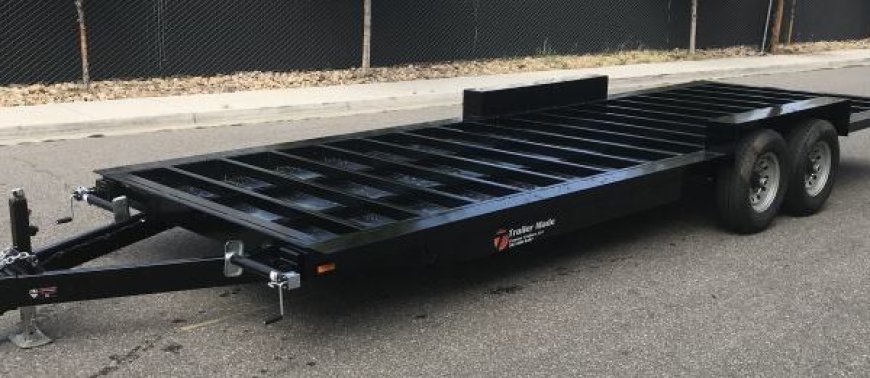
Let's be real, Colorado has become one of the better states for small living, and it's not by accident. Between the mountain towns dealing with housing shortages and cities like Denver and Fort Collins loosening up zoning, there's more room to actually live in a tiny house here than in a lot of other states. That said, "more room" doesn't mean unlimited room. You still need to know which county you're building in and what that county actually allows, because Colorado isn't one uniform rulebook, adu for sale it's eighty something individual ones. Mountain counties tend to be pickier about snow load and foundation requirements, valley towns less so. If you're serious about going tiny here, that local research step isn't optional, it's the whole ballgame.
What Separates Good Tiny House Builders Colorado Has to Offer
Truth is, not every builder calling themselves a "tiny house expert" actually knows what they're doing. Colorado's got a growing scene of tiny house builders, some fantastic, some just guys with a trailer and a dream, no offense to the dreamers. A good builder should know Colorado's specific climate demands, insulation for freezing winters, roof pitch for snow load, that sort of thing, not just generic tiny house plans pulled off Pinterest. Ask about their build standards, whether they follow RVIA certification or ANSI code, and whether they've actually delivered homes that survived a real mountain winter. If a builder can't answer that stuff confidently, that's a red flag, plain and simple.
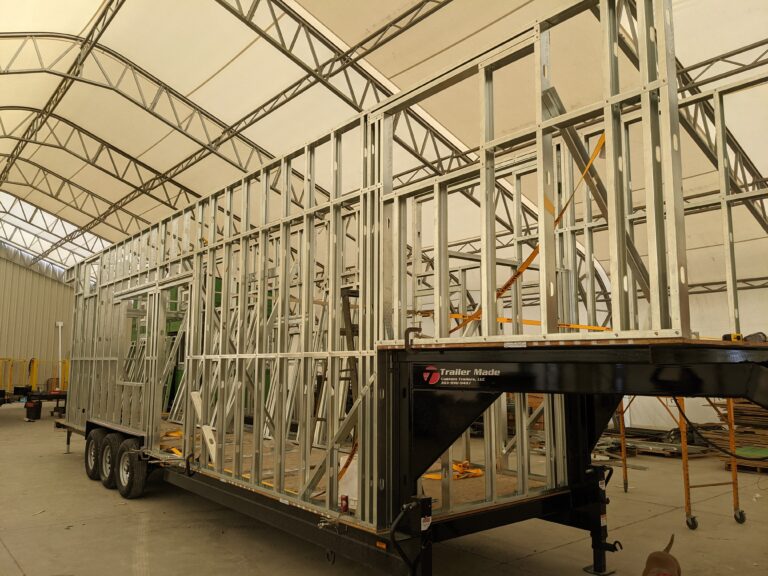
The ADU for Sale Route, and Why It's Gaining Ground
Now here's an option a lot of Colorado buyers are exploring instead of, or alongside, the tiny house path: buying an ADU for sale. Accessory dwelling units have taken off across the state, partly because Colorado passed legislation in recent years pushing cities to allow ADUs more freely, especially in the Denver metro area. An ADU for sale is often prefabricated or built off-site then delivered, which honestly speeds things up compared to a custom tiny house build from scratch. It sits on your existing property, tied to your deed, which changes financing options and resale value in a good way. If you already own land or a home with backyard space, this route deserves a serious look.
Permits and Codes, the Part Everyone Wants to Skip
Nobody gets excited about permits, I get it. But skipping this step in Colorado is a fast way to end up with a beautiful structure you can't legally live in. Tiny houses on wheels often fall under RV classification here, which limits full time occupancy in a lot of municipalities unless you're in a designated tiny house community or RV park. Foundation built units, including most ADUs, fall under residential building code instead, meaning inspections for electrical, plumbing, and structural work. Each county's building department has its own permit process and fee schedule too, so what took your buddy three weeks in Larimer County might take you three months in a mountain county with stricter enforcement.
Weather, Terrain, and Building Realities Colorado Throws at You
This state doesn't mess around with weather, and that changes how you should think about building. Snow load calculations aren't a suggestion up in the mountains, they're a code requirement, and a tiny house builder unfamiliar with tiny house Colorado conditions might underbuild your roof structure without realizing it. Wind is another factor a lot of out of state builders overlook, especially along the Front Range where gusts can get brutal. Foundation work also gets trickier at elevation because of frost depth requirements, meaning your footings need to go deeper than they would in a milder climate. All this adds cost, sure, but it's the difference between a home that lasts and one that cracks apart after its first hard winter.

Financing Your Tiny House or ADU in Colorado
Money matters here just as much as codes do. Tiny houses on wheels typically don't qualify for traditional mortgages since lenders treat them more like RVs than real property, so you're looking at personal loans or RV financing instead, and interest rates on those aren't always friendly. ADUs have an easier road because they're attached to an existing deeded property, which opens up home equity loans, construction loans, and sometimes even specific ADU financing programs some Colorado credit unions have started offering. Property tax implications differ too, an ADU typically raises your assessed value, while a tiny house on wheels might not, depending on how your county classifies it. Worth a conversation with your lender before you commit either way.
Making the Final Call
So which way should you go, tiny house or ADU. The short answer is, it depends on your land situation, your budget, and honestly your patience for permitting headaches. If you've got existing property and want something that adds real equity, an ADU for sale option might fit better. If you want mobility and a smaller footprint that isn't necessarily tied down, a custom built tiny house makes more sense, as long as you find builders who actually understand Colorado's quirks instead of applying a one size fits all approach. Either way, don't cut corners on code compliance, it'll cost you more down the line than it saves now. When you're ready to build something that's actually engineered for Colorado conditions, reach out to Trailer Made Custom Trailers, they know this state's requirements inside and out, from mountain snow loads to Front Range permitting.
FAQs
Are tiny houses legal to live in full time in Colorado?
It depends on the county and whether it's on wheels or a foundation. Some areas allow full time tiny living, others restrict it to RV parks or designated communities only.
What makes a tiny house builder qualified for Colorado conditions?
Look for experience with snow load requirements, proper insulation for cold climates, and either RVIA or ANSI code compliance depending on the build type.
Is buying an ADU for sale cheaper than building a tiny house?
Not always cheaper outright, but ADUs often come with easier financing and added property value, which can make the overall investment worth it long term.
Do I need a permit for a tiny house in Colorado?
Yes, in almost every case. Requirements vary by county, so check with your local building department before starting construction or placing a unit.
Can I finance an ADU with a home equity loan in Colorado?
Often yes, since ADUs are typically attached to your existing property deed, which makes home equity loans and construction loans realistic financing options.