Mixing Gemstone Bead Necklaces: A Layering Guide
This does not mean that every strand must be made of beads. A necklace made up of a layer of beads combined with a thin chain or even a pendant necklace appears to be more fascinating than a completely beaded necklace.
 jiaarajewellery
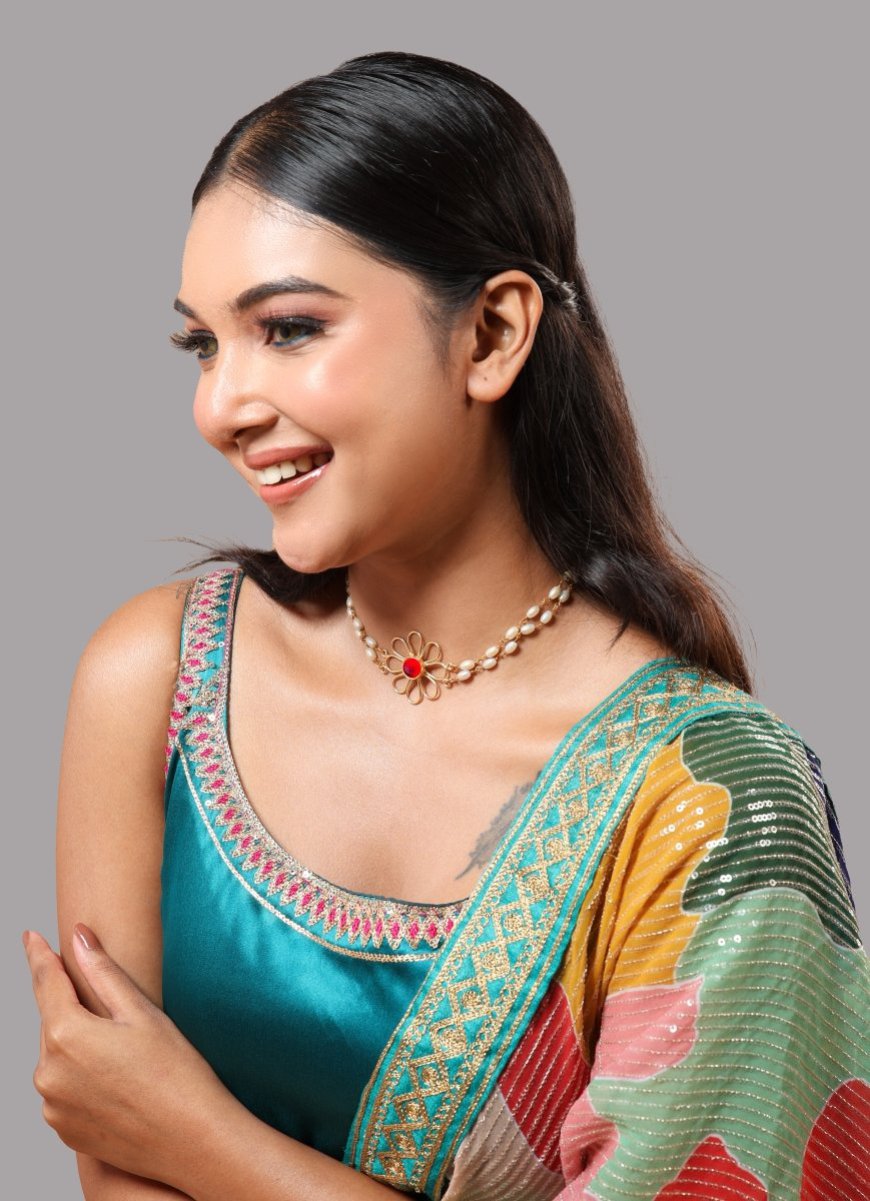
This is the reason why layered necklaces have remained popular for many years now — when done right, it gives an impression of something easy, unique, and slightly curated even if you purchased all of them the previous week. However, when it comes to using gemstone bead necklaces in particular, the option of layering becomes a tool that allows one to achieve an abundance of color and textures impossible to get with only one piece. Here’s how to play with the gems.
Why Gemstone Beads Are Made for Layering
Since the necklace is made out of beads, it is quite forgiving when it comes to layering, because it already has its natural texture and weight, so you do not have to worry about the interaction of two pieces much. Combining several necklaces, you will create an excellent necklace stack that is rich and looks like it was thought through carefully without having to put much effort into it.
Beads also come in an incredibly large variety of different colors, sizes and finishes, so it means that you have almost no limits to what you can make of them.
The Basics of Layering Bead Necklaces
Use different lengths. It is an unbreakable rule of layering which works equally well for both chains and bead necklaces. Make sure that you have a variety like 14, 18, and 22 inch lengths so that each strand is visible.
Use different bead sizes. Combining a strand of small beads with that of big beads makes it look varied and interesting. Same sized beads in layering may make it look boring.
Create a base with a statement piece. One of your gemstone bead necklaces should have a bigger bead as the focus and then you should create other layers around it in simpler designs.
Do not hesitate to use odd numbers. You will see that three strands look much more balanced than two. So while creating your layers, you should aim for three to four necklaces first.
Color Pairing Ideas
Monochromatic: Create a jewelry piece using various hues of the same color scheme such as the soft pink of rose quartz matched with a deeper hue of garnet to create an elegant piece of jewelry.
Complementary contrast: Use gems that have colors that are diametrically opposed to each other such as turquoise and coral.
Layering: Stack a few pieces of necklaces made from gems that have a neutral tone such as moonstone, labradorite, or pearls and add one piece of colored gemstones as the focal point.
Earthly hues: Use gemstones that naturally occur in colors found on Earth such as tiger's eye, jasper, and smoky quartz.
Mixing Textures and Materials
This does not mean that every strand must be made of beads. A necklace made up of a layer of beads combined with a thin chain or even a pendant necklace appears to be more fascinating than a completely beaded necklace.
Creating size differences for beads in a strand through the mixing of smaller and larger beads or round beads together with chip or nugget cut beads can help in adding some variety without having multiple necklaces.
Common Layering Mistakes to Avoid
● Too many strands of equal lengths. If your strands end up in the same place, you're going to end up with one thick strand of necklace rather than something multi-layered and stylish.
● Overloading your neckline. The phrase "the more the merrier" doesn't apply here. Three to four strands would work better than six.
● Failing to consider your neckline. Necklaces layered on a high neckline shirt may not suit your style; reserve such necklaces for crewneck, V-neck shirts or those with open collars.
Neglecting clasps and tangling issues. Beads tend to tangle compared to chains, and so it is advisable to use clasps that allow you to remove individual pieces.