Navigating Neurological Disorders and Diagnostic Accuracy
 ilioshealthusa
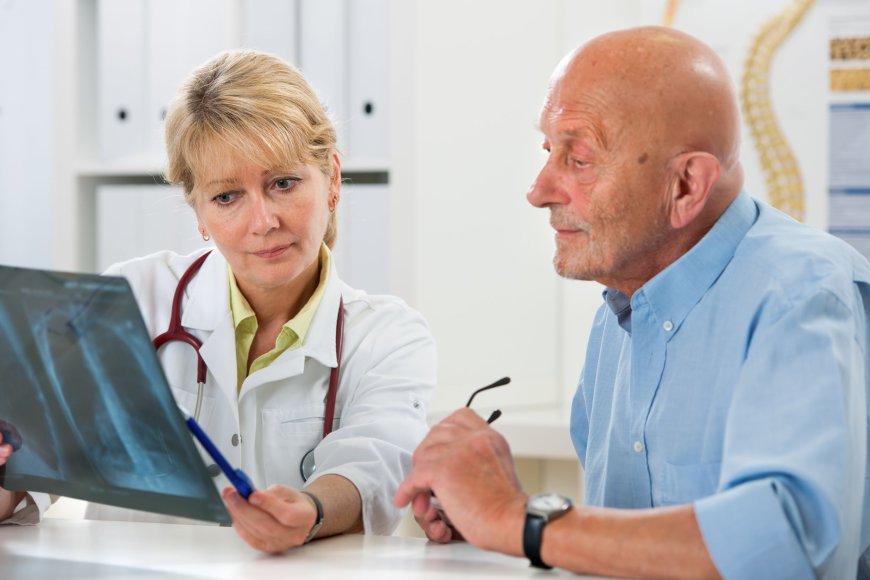
The human nervous system is arguably the most complex structure in the known universe. When a patient begins experiencing neurological symptoms—such as unexplained tremors, persistent numbness, or cognitive "fog"—the journey toward a diagnosis can be long and emotionally exhausting. Because many neurological conditions share overlapping symptoms, the risk of misdiagnosis is significantly higher than in other medical fields. For patients facing life-altering diagnoses, a multidisciplinary second opinion is the only way to ensure the path forward is the correct one.
The Challenge of "Look-Alike" Neurological Conditions
Many neurological disorders are "clinical diagnoses," meaning they are identified based on symptoms and the exclusion of other diseases rather than a single blood test. For example, Multiple Sclerosis (MS) can often be mistaken for Vitamin B12 deficiency or Lyme disease. Similarly, early-stage Parkinson’s disease can mimic essential tremors. The consequences of starting a powerful, long-term medication for a condition you don't actually have are severe, ranging from heavy side effects to the progression of the true, untreated illness.
Seeking a
The Role of Advanced Neuro-Imaging
In neurology, the MRI is the doctor's most powerful window into the brain and spinal cord. However, reading a neuro-scan is vastly different from reading a scan of a broken bone. Identifying "white matter lesions" or subtle atrophy requires an incredibly high level of expertise. Small spots on a brain scan can be benign "UBOs" (Unidentified Bright Objects) related to age or migraines, or they could be the first signs of a demyelinating disease.
This is where the expertise of an
When Neurology Meets Orthopedics: The Spine Connection
Many patients are surprised to learn that their "neurological" symptoms, such as weakness in the hands or shooting pains in the legs, are actually caused by mechanical issues in the skeleton. A pinched nerve in the neck (cervical radiculopathy) can cause symptoms that feel like a brain-based disorder. Conversely, a brain-based condition can cause gait issues that look like a hip or knee problem.
Before undergoing any invasive treatment, consulting an
The Power of Patient Advocacy in the Digital Age
We are no longer limited to the specialists available at our local clinic. The digital health revolution has empowered patients to become advocates for their own care. Through secure online portals, patients can now share their entire medical history and imaging files with global leaders in neurology and radiology. This access is especially life-changing for patients with rare or "orphan" diseases that local doctors may only see once in their careers.
A virtual second opinion allows for a thorough, unhurried review of the case. In a traditional office visit, a doctor may only have 15 minutes to review a patient's history. An online expert review is typically more comprehensive, involving a deep dive into previous test results, family history, and the chronological progression of symptoms. This meticulous approach is what catches the errors that occur in high-pressure, fast-paced clinical environments.
Conclusion: Ensuring Your Diagnostic Security
A neurological diagnosis is a major life event. It affects your career, your family, and your future. Because the stakes are so high, you should never settle for a single perspective. The "gold standard" of modern care is a multidisciplinary approach that combines the best of technology and human expertise.
By integrating a specialized neurology review, a dedicated neuroradiology assessment of your MRI, and an orthopedic check for structural causes, you create a comprehensive safety net. Diagnostic errors are common, but they are also preventable. Taking control of your diagnostic journey is the most important step you can take toward a healthy and certain future.