Fuel Tank Monitoring: Qatar's Path to Sustainable Operations
 expsalam
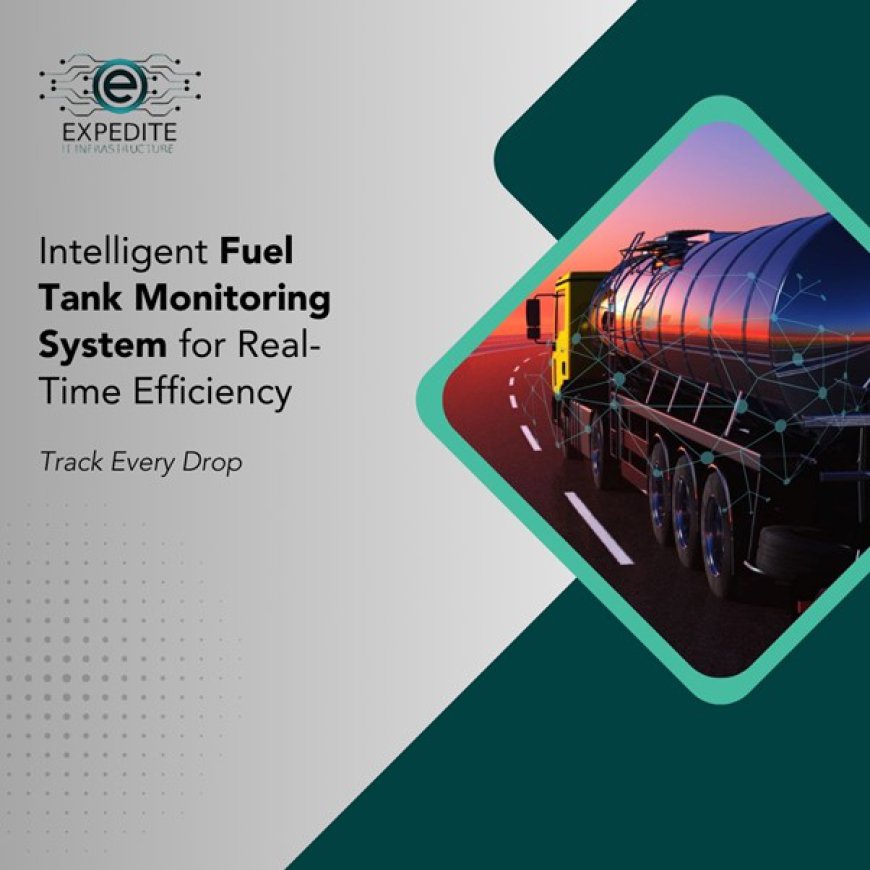
Qatar is headed towards a future of operational excellence, intelligent infrastructure and sustainability. High turnover Industrial sectors (construction, oil and gas, logistics, transportation, utilities, and facility management) across the nation are expanding at a rapid pace- mostly with less time and an increase in costs. The fuel is not only a consumable resource in this environment, it is also one of the largest operational costs and a major source of carbon emission.
However, fuel management remains a blind point to most organizations in spite of its significance. Manual records of fuel, unchecked refuelling, fuel theft, falsified reports, and inefficient usage of the vehicles may bring severe financial losses. This is why the fuel tank monitoring is turning out to be a game-changer in the process of Qatar becoming sustainable in its operations.
With the introduction of smart Fuel Usage Tracking, Fuel Efficiency Solutions, Fuel Expense Tracking, Fuel Data Tracking, and intelligent Fuel Tracking Solutions Software, the Qatar-based organizations will be able to waste less and be more responsible and accountable without losing productivity.
This article discusses the mechanism of fuel tank monitoring, its importance and how it is changing the sustainable business practice across Qatar.
1. Why Fuel Management Matters More Than Ever in Qatar
The cost of fuel is increasing, the business is getting more complicated and sustainability is no longer the luxury but the necessity. Starting with the operation of heavy machinery at construction sites and ending with the last-mile delivery fleets, fuel consumption directly affects:
- Operational budgets
- Asset performance
- Project timelines
- Environmental compliance
- Company reputation
Qatari organizations that track and control the use of fuel achieve both profitability and sustainability strength.
2. What Is Fuel Tank Monitoring?
Fuel tank monitoring is a technology which tracks the volume of fuel, the activity of refuelling and consumption characteristics of the tanks, vehicles, generators or industrial equipment. It employs intelligent sensors, data recorders, and web dashboard to provide real-time data on the fuel performance.
Unlike manual checking, automated monitoring provides:
- Accurate fuel level measurement
- Real-time alerts for abnormal activity
- Historical trends for reporting
- Better fuel allocation planning
When combined with Fuel Tracking Solutions Software, fuel tank monitoring becomes an intelligent fuel management ecosystem.
3. The Hidden Fuel Challenges Qatar Businesses Face
Even companies that are well organized, lose the fuel without their knowledge. Fuel cost is not the real problem but fuel control.
Common fuel-related challenges include:
- Fuel theft and unauthorized siphoning
- Incorrect fuel reporting
- Fuel leakage due to poor maintenance
- Inefficient route planning and idle time
- Untracked generator usage in remote sites
These problems are accumulative particularly in an industry where the operations are in more than one location. The remedy is regular observation through credible analytics.
4. Fuel Usage Tracking: The Foundation of Smart Fuel Control
Fuel Usage Tracking is the first step toward reducing fuel waste. It aids organizations in realizing the direction of fuel, its consumption, and whether it is much as expected in terms of operation.
What Fuel Usage Tracking Provides
- Real-time tank level visibility
- Consumption trends per asset or location
- Daily/weekly/monthly usage comparisons
- Detection of abnormal fuel drops
As a result of precise monitoring of usage, business can decide with facts and not speculations.
5. Fuel Efficiency Solutions: Doing More with Less
Sustainability is not merely about emissions reduction, but it is also about the increase in output per litre of fuel. It is at this point that Fuel Efficiency Solutions will be necessary.
How Fuel Efficiency Improves Operations
- Reduced idle time in fleets
- Better route planning and dispatching
- Optimized generator operation schedules
- Preventing over-fuelling and fuel overflow
- Identifying underperforming vehicles or equipment
The fuel efficiency solutions enable the Qatar businesses to reduce expenses and meet the environmental objectives.
6. Fuel Expense Tracking: Turning Fuel into a Measurable KPI
A significant percentage of operating budgets can be fuel, and this is something that most companies operate at their disadvantage since they are unable to quantify this very aspect. Fuel Expense Tracking transforms fuel spend into an open KPI.
Benefits of Fuel Expense Tracking
- Accurate cost allocation by department or project
- Reduced budget leakage and billing disputes
- Improved forecasting and procurement planning
- Better vendor accountability
Through fuel expense tracking, organizations will be able to detect increased spending and take corrective actions within a shorter time.
7. Fuel Data Tracking: Building Reports You Can Trust
When the manual recording of fuel data is used, errors are virtually warranted. Fuel Data Tracking makes sure that your fuel records are correct, consistent and audit ready.
What Fuel Data Tracking Includes
- Historical fuel level logs
- Refuelling event records
- Fuel consumption analytics
- Fuel anomaly detection history
- Exportable compliance-ready reports
Fuel data tracking enhances responsibility and process maturity in Qatar where most of the sectors have stringent operational standards.
8. Fuel Tracking Solutions Software: The Brain of the System
The most powerful fuel monitoring setups rely on robust Fuel Tracking Solutions Software. This software collects information through sensors and equipment and transforms it into insights and allows organizations to centrally manage fuel.
Key Features of Fuel Tracking Software
- Live dashboards for tanks and assets
- Automated alerts for theft, leakage, or overuse
- Fuel usage analytics by site/vehicle
- Multi-location monitoring across Qatar
- Role-based user access for security
- Report generation for audits and management
Fuel tracking software provides decision-makers with the total control of one of the most significant resources.
9. How Fuel Tank Monitoring Supports Sustainability in Qatar
Sustainability is not a fad anymore; it is a national dogma. The ways of doing things in businesses in Qatar are becoming more aligned to cleaner and smarter ways.
Fuel monitoring supports sustainability by:
- Reducing unnecessary fuel burning
- Encouraging efficient fleet behaviour
- Lowering total fuel consumption
- Minimizing pollution and emissions
- Preventing fuel spills and environmental damage
Organizations reduce their carbon footprint by enhancing their fuel efficiency and at the same time, they perform well.
10. Preventing Fuel Theft and Unverified Refuelling
One of the largest causes of fuel loss is fuel theft. The difficulty lies in the fact that the problem is more difficult to identify when the operations are spread out to different locations.
Fuel monitoring helps prevent fuel theft through:
- Real-time abnormal drop alerts
- Refuelling verification through event logs
- Accurate reconciliation between fuel delivered vs fuel received
- Automated notifications to supervisors
When tracking is used together with alerts the fuel theft rate can be significantly lowered in organizations.
11. Real-Time Alerts: Respond Before Loss Happens
Automated alerting is one of the greatest benefits of the modern systems. Organizations are able to set alerts concerning fuel behaviour being outside regular patterns.
Examples of alerts include:
- Sudden fuel drop (possible theft/leak)
- Tank level below minimum threshold
- Excessive consumption during non-working hours
- Unexpected refuelling events
Live notifications enable the teams to act immediately instead of finding out the problems in the future.
Conclusion
Fuel Tank Monitoring is fast becoming a strategic requirement to the industries in Qatar. With sustainability, efficiency and accountability being key success factors in a world like this, businesses are forced to gain dominion in fuel use and to do away with wastages. Through the use of smart Fuel Usage Tracking, advanced Fuel Efficiency Solutions, accurate Fuel Expense Tracking, consistent Fuel Data Tracking, and powerful Fuel Tracking Solutions Software, organizations within Qatar are able to save on cost, avoid losses, enhance operational performance, and help organizations to maintain sustainability over the long term. The smarter fuel operation begins with visibility, and that is what fuel tank monitoring provides.
FAQs
1. What does fuel tank monitoring accomplish?
It can be applied to monitor fuel, fuel consumption, refuelling activities, and unwarranted fuel loss in tanks, generators, or vehicles.
2. What is the benefit of monitoring fuel consumption?
The Fuel Usage Tracking is used to get real-time data on the consumption trend in fuel usage, enabling the minimization of waste and enhance control.
3. Will fuel monitoring assist in curbing fuel theft?
Yes. Live alert and precise logs are used in identifying theft, leakage, or unauthorized refuelling in a short period of time.
4. What is the role of fuel tracking software in ensuring sustainability?
The Fuel Tracking Solutions Software assists in cutting on unneeded fuel usage, minimizes emissions and increases fuel economy.
5. What is the most beneficial fuel monitoring sector in Qatar?
The most advantageous is construction, logistics, oil and gas, facility management and utilities because of the high fuel consumption and multi-site operations.
For more information contact us on:
Expedite IT
+966 502104086
Office No 01, Conference Building (Kirnaf Finance), Abi Tahir Al Dhahabi Street, Al Mutamarat,
Riyadh 12711, Saudi Arabia
Or click on the below link for more information:
https://www.expediteiot.com/fuel-tank-monitoring-solutions-in-ksa-qatar-and-oman/