Panty Liners vs. Period Underwear: Which Offers Better Comfort and Leak Protection?
Compare period underwear and panty liners for comfort, absorbency, leak protection, sustainability, and everyday period care to find your ideal option.
 revaaforyou
Introduction
Choosing the right menstrual product can make a significant difference to how comfortable and confident you feel throughout your cycle. With traditional disposable products alongside reusable alternatives, there are now more options than ever.
Two popular choices are panty liners and period underwear. Although they may seem similar because both can be used around your menstrual cycle, they serve different purposes.
Panty liners are generally thin and designed for light discharge, spotting, very light flow, or backup protection. Period underwear is designed with built-in absorbent and protective layers and can be available in different absorbency levels.
So, which option is more comfortable? And which provides better leak protection?
The answer depends on your flow, daily routine, personal preferences, and the product's specific design.
What Are Panty Liners?
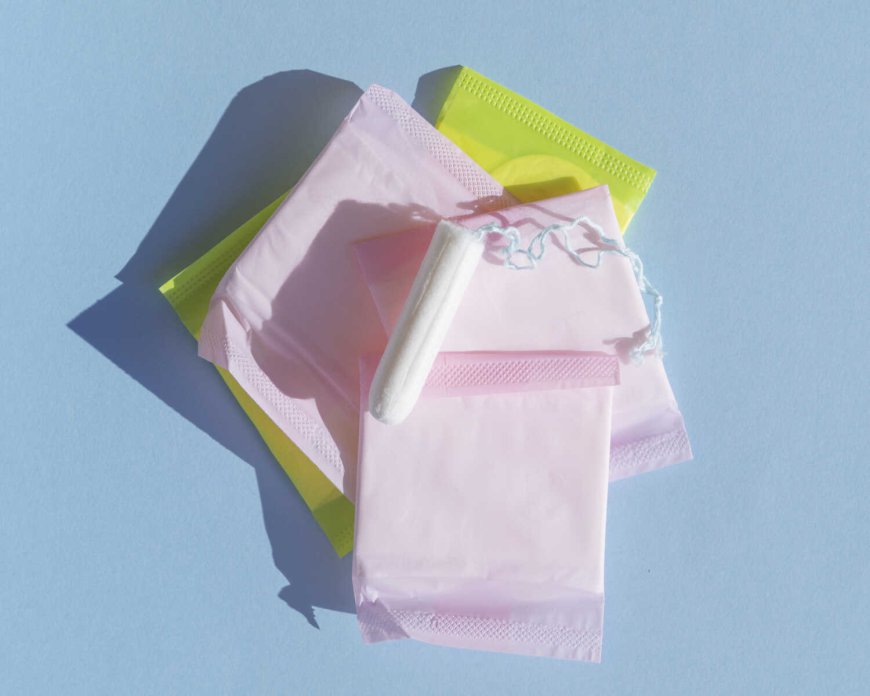
Panty liners are thin absorbent products that sit inside regular underwear. They are generally smaller and lighter than standard menstrual pads.
People commonly use them for:
-
Light spotting
-
Very light menstrual flow
-
The beginning or end of a period
-
Everyday vaginal discharge
-
Additional backup protection
-
Situations where a full-size pad isn't necessary
Their biggest advantage is their lightweight design. A liner can easily fit inside a handbag, backpack, or travel pouch, making it convenient to carry several when you're away from home.
However, panty liners are generally not designed to manage moderate or heavy menstrual flow on their own. Their suitability depends on the individual product, so checking its intended use is important.
What Is Period Underwear?
Period underwear looks and feels similar to regular underwear but contains specially designed layers in the gusset to manage menstrual fluid.
Depending on the product, these layers may include:
-
A soft inner layer
-
A moisture-wicking layer
-
An absorbent core
-
A leak-resistant barrier
-
An outer fabric layer
The exact construction varies between manufacturers.
Unlike a separate liner, the protection is integrated into the garment. Some products are designed for light days, while others are made for moderate or heavier flow. Independent product testing also commonly evaluates period underwear based on absorbency, comfort, fit, and value.
Panty Liners vs. Period Underwear at a Glance
| Feature | Panty Liners | Period Underwear |
|---|---|---|
| Design | Thin insert worn inside underwear | Underwear with built-in protection |
| Typical use | Spotting, discharge, light flow | Menstrual flow, depending on absorbency |
| Absorbency | Generally light | Varies from light to heavy |
| Reusable options | Available | Commonly available |
| Convenience | Easy to carry and replace | Wear like regular underwear |
| Leak coverage | Depends on size and placement | Depends on garment coverage |
| Overnight use | Usually suited to light spotting | Some styles are designed for overnight use |
| Washing | Disposable or reusable, depending on product | Washable when designed for reuse |
The important point is that these products aren't necessarily direct competitors. They can actually complement one another depending on your needs.
Which Is More Comfortable?
Comfort is subjective, but both options have advantages.
Panty liners are extremely lightweight. Because they're thin, they can feel barely noticeable when properly positioned. This makes them attractive for everyday use, spotting, or light discharge.
However, some people may notice the adhesive backing, edges, or movement of a liner during physical activity.
Period underwear eliminates the need for a separate adhesive product. It is worn like ordinary underwear, which some people find more natural and convenient.
The comfort of period underwear depends on:
-
Fabric
-
Waistband
-
Leg openings
-
Gusset thickness
-
Stitching
-
Size
-
Overall fit
-
Breathability
If you're planning to wear menstrual underwear for several hours, choosing the correct size and fabric can make a noticeable difference.
Which Provides Better Leak Protection?
When it comes to leak protection, period underwear generally has an advantage over basic liners when the underwear is appropriately designed and matched to your flow.
That's because the protection is integrated into the garment and can provide a larger protective area.
Some period underwear products use multi-layer absorbent cores and extended coverage. Product designs vary significantly, however, so you should always check the manufacturer's absorbency information rather than assuming every pair offers the same level of protection.
Panty liners can be effective for light spotting and minor leaks, but their smaller size and lower absorbency generally make them less suitable for heavier menstrual flow.
When Should You Choose Panty Liners?
There are several situations where panty liners can be the more practical option.
1. Light Spotting
If you experience occasional spotting, a liner may provide enough protection without the bulk of a full-size menstrual product.
2. Beginning of Your Period
Periods don't always begin with a heavy flow. A liner can be convenient when you're waiting to see how your cycle develops.
3. End of Your Period
The final days of menstruation are often lighter. A liner may be sufficient for some people.
4. Everyday Discharge
Some people use liners to manage everyday vaginal discharge and keep their underwear cleaner.
5. Backup Protection
A liner can also be used as backup with another menstrual product when appropriate.
The important thing is to change it regularly and stop using a product if it causes irritation or discomfort.
When Is Period Underwear the Better Choice?
Period underwear may be a better option when you want integrated protection without attaching a separate product to your underwear.
It can be particularly convenient for:
-
Workdays
-
College or school
-
Travelling
-
Light-to-moderate flow
-
Certain overnight situations
-
People who dislike disposable pads
-
People looking for reusable menstrual care
Some products are designed for moderate or heavy flow, while others are intended primarily for lighter days. The product's absorbency rating should therefore guide your decision.
What About Heavy Flow?
Heavy menstrual flow requires careful product selection.
Basic panty liners generally aren't intended to replace a high-absorbency menstrual product during heavy-flow days.
Some period underwear is specifically designed for heavier flow, but absorbency varies considerably between products.
Before purchasing, check:
-
Absorbency capacity
-
Recommended flow level
-
Gusset coverage
-
Front and back protection
-
Recommended wear time
-
Size and fit
For particularly heavy bleeding, you may need to change products more frequently or use an appropriate combination of menstrual products.
If you're regularly soaking through menstrual products unusually quickly, it's worth discussing your symptoms with a healthcare professional.
Is Period Underwear Comfortable Overnight?
Some period underwear is specifically designed for overnight use.
This can be useful because sleeping involves movement, and menstrual fluid may travel toward different parts of the underwear.
For nighttime use, consider:
-
Front-to-back coverage
-
Absorbency
-
Back coverage
-
Secure fit
-
Comfortable waistband
-
Recommended overnight wear time
Don't assume that every pair of menstrual underwear is suitable for overnight use. Check the manufacturer's instructions and choose a product designed for your flow.
Are Panty Liners Good for Overnight Use?
Panty liners can be suitable for overnight use when you're experiencing very light spotting or discharge.
However, they generally aren't the first choice for moderate or heavy menstrual flow.
If you experience significant overnight bleeding, look for a product specifically designed to provide the absorbency and coverage you require.
Which Is Better for Long Workdays?
For a long workday, your choice depends on your flow and how often you want to change products.
Panty liners are easy to carry and replace. You can keep several in your bag and change them when needed.
Period underwear can offer a more integrated experience because there's no separate liner to attach or reposition.
However, if your flow requires a change during the day, you'll need a clean replacement pair of underwear.
Think about your workplace facilities and what would be most convenient for you.
Which Is Better for Travel?
Travel can make menstrual care challenging, particularly when you're away from home for many hours.
Panty liners have the advantage of being lightweight and compact. Several can fit easily into a small pouch.
Reusable period underwear requires more planning. You'll need enough pairs for your trip or access to suitable washing and drying facilities.
For longer trips, consider:
-
Number of expected period days
-
Your normal flow
-
Access to laundry
-
Drying time
-
Storage for used products
-
Space in your luggage
If you're travelling light, liners may be easier to carry. If you're prioritizing reusable care, menstrual underwear may be worth the additional planning.
Are Reusable Options More Sustainable?
Both categories can include reusable products.
Reusable panty liners can be washed and used multiple times, while reusable period underwear can be worn repeatedly over its useful lifespan.
This can reduce reliance on single-use menstrual products.
However, reusable doesn't mean zero environmental impact. Manufacturing, packaging, water consumption, detergent, drying, and eventual disposal all contribute to a product's overall footprint.
The sustainability benefit depends partly on how long you use the product and how well you maintain it.
Which Is More Cost-Effective?
The answer depends on how often you use the product.
Disposable panty liners typically have a lower upfront cost, but they need to be purchased repeatedly.
Reusable liners have a higher initial cost but can be washed and reused.
Period underwear generally has a higher upfront price because you're purchasing an entire garment with built-in absorbent technology.
Over time, however, repeated use can change the overall cost comparison.
Consider:
-
Purchase price
-
Product lifespan
-
Number of pieces required
-
Washing costs
-
Replacement frequency
-
Your typical cycle length
Can You Use Panty Liners With Period Underwear?
In some situations, people may want to combine menstrual products.
For example, a liner could potentially be used for very light spotting or as backup, depending on the design and manufacturer's recommendations.
However, adding another layer doesn't automatically guarantee better protection.
It may affect comfort, moisture management, or the way the garment fits.
If you plan to combine products, make sure the combination is comfortable and suitable for the intended use.
How to Choose the Right Period Underwear
If you're considering period underwear, don't choose based on appearance alone.
Look at:
1- Absorbency
Choose according to your typical flow.
2- Coverage
Extended front or back coverage may be useful for overnight or heavier-flow needs.
3- Fabric
Soft and breathable materials can improve comfort.
4- Fit
The garment should stay securely in place without feeling excessively tight.
5- Care Instructions
Make sure you're comfortable with the required washing and drying routine.
6- Size Range
A broad size range can make it easier to find a suitable fit.
How to Use Panty Liners Comfortably
If you're using panty liners, a few simple habits can improve the experience.
Choose a size appropriate for your underwear and intended use. Make sure it is positioned correctly and replace it regularly.
If you notice:
-
Persistent irritation
-
Burning
-
Unusual discomfort
-
Skin reactions
stop using the product and consider speaking with a healthcare professional.
Fragrance-free options may also be preferable for people who are sensitive to scented products.
Common Mistakes to Avoid
1- Choosing Protection Based Only on Price
The cheapest option isn't necessarily the most suitable for your flow.
2- Ignoring Absorbency
A product designed for spotting won't necessarily handle menstrual flow.
3- Wearing Products Too Long
Follow the manufacturer's recommendations and change products when they reach capacity or become uncomfortable.
4- Choosing the Wrong Size
Fit affects both comfort and protection.
5- Assuming Every Period Underwear Product Is the Same
Construction and absorbency can differ significantly between products.
Revaa and Modern Menstrual Care
Revaa offers menstrual-care options for people exploring alternatives to conventional disposable products.
When considering any menstrual product, compare its materials, absorbency, sizing, coverage, care requirements, and intended use.
The goal isn't simply to find a product that sounds impressive. It's to find one that genuinely fits your routine.
Panty Liners or Period Underwear: Which Should You Choose?
Choose panty liners if you primarily need:
-
Light spotting protection
-
Everyday discharge management
-
A lightweight option
-
Easy portability
-
Backup protection
-
Occasional light-flow coverage
Consider period underwear if you want:
-
Integrated protection
-
Reusable menstrual care
-
Greater coverage
-
A pad-free experience
-
Options for moderate or heavier flow
-
Overnight styles
You don't necessarily have to choose only one.
Different days of your cycle may call for different products.
Final Verdict
So, panty liners vs. period underwear—which offers better comfort and leak protection?
There isn't one universal winner.
Panty liners are excellent for light spotting, discharge, very light flow, and backup protection. They're thin, portable, and convenient.
Period underwear can provide more comprehensive menstrual protection when designed for the user's flow. It may also be more convenient for people who prefer an integrated, reusable alternative to disposable products.
The most important factors are flow, absorbency, fit, comfort, coverage, and intended wear time.
If you mainly experience light spotting, a liner may be all you need. If you're looking for reusable protection that can manage menstrual flow, suitable period underwear may be the more practical choice.
Ultimately, the best menstrual product is the one that makes you feel comfortable, protected, and confident while fitting naturally into your everyday routine.
FAQs
1. Are panty liners better than period underwear for everyday use?
Panty liners can be convenient for everyday discharge, spotting, and light protection. Period underwear may be preferable if you want reusable, integrated protection. The better option depends on your personal needs.
2. Can period underwear replace panty liners?
Yes, suitable period underwear can replace liners for some people, particularly when the goal is light menstrual protection or spotting management. Check the product's absorbency and intended use first.
3. Do panty liners prevent period leaks?
Panty liners can help manage light spotting and minor leaks, but they generally have limited absorbency. They're usually not designed to handle moderate or heavy menstrual flow alone.
4. Can period underwear be worn overnight?
Some period underwear is specifically designed for overnight use. Choose a style with appropriate absorbency and coverage for your flow, and follow the manufacturer's recommended wear time.
5. Is reusable period underwear more sustainable than disposable panty liners?
Reusable period underwear can reduce reliance on single-use products when used repeatedly. However, its overall environmental impact also includes manufacturing, washing, water, detergent, and drying.