Pediatric Dentist Anna Nagar: Building Healthy Dental Habits From Childhood
Learn how early dental care supports healthy teeth, prevents common problems, and helps children develop positive lifelong oral hygiene habits.
 thooya
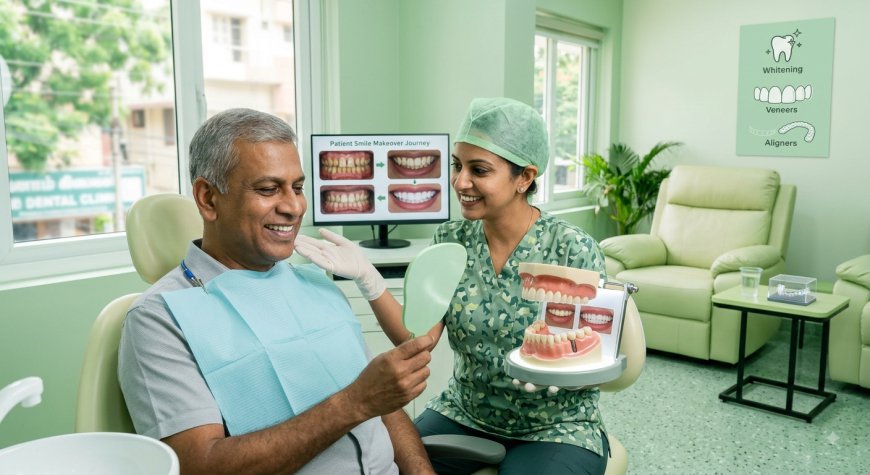
Why Early Dental Care Matters
A child's oral health plays an important role in overall development, nutrition, speech, confidence, and quality of life. Dental care should begin early rather than waiting until a child develops pain or visible dental problems. Regular dental visits help identify concerns at an early stage and teach children how to care for their teeth properly.
Parents looking for a Pediatric dentist Anna Nagar can benefit from understanding what children's dental care involves and why preventive visits are important.
Children's teeth go through several stages of development, from the eruption of primary teeth to the transition toward permanent teeth. Each stage requires appropriate attention and age-specific dental guidance.
When Should a Child First Visit a Dentist?
Children should ideally have their first dental assessment when the first tooth appears or by around their first birthday. Early visits allow dental professionals to monitor tooth development and identify potential risks before they become more complicated.
Early dental appointments can help parents understand:
- Proper brushing techniques
- Suitable oral hygiene routines
- Dietary factors affecting teeth
- Fluoride requirements
- Thumb-sucking and other oral habits
- Expected dental development
Starting early also helps children become familiar with the dental environment, making future visits more comfortable.
Common Dental Problems in Children
Children can experience several dental conditions, even when their teeth appear healthy. Some of the most common concerns include tooth decay, gum inflammation, enamel defects, dental injuries, and problems related to tooth eruption.
Tooth decay is particularly important because primary teeth can develop cavities when children frequently consume sugary foods and drinks or do not maintain adequate oral hygiene.
Parents should watch for signs such as:
- Tooth sensitivity
- Persistent bad breath
- Swollen or bleeding gums
- Difficulty chewing
- Tooth discoloration
- Dental pain
- Early or delayed tooth eruption
Timely evaluation can prevent minor concerns from developing into more complex dental problems.
Preventing Tooth Decay Through Daily Habits
Prevention begins at home. Parents play an important role in establishing healthy oral hygiene habits during childhood.
Children should be encouraged to brush their teeth twice a day using an age-appropriate toothbrush and fluoride toothpaste as recommended by a dental professional. Younger children may need assistance because they often lack the coordination required for effective brushing.
Flossing should also be introduced when teeth begin touching each other. Regular cleaning removes plaque from areas that brushing alone may not reach.
The Role of Diet in Children's Oral Health
Diet has a direct impact on the development of tooth decay. Frequent exposure to sugary foods and beverages can increase the risk of cavities because oral bacteria use sugars to produce acids that can damage tooth enamel.
Parents can support healthier teeth by encouraging:
- Fresh fruits and vegetables
- Adequate water intake
- Balanced meals
- Nutrient-rich snacks
- Limited sugary beverages
- Reduced frequency of sticky sweets
It is not only the amount of sugar consumed that matters. How frequently teeth are exposed to sugary foods throughout the day also influences cavity risk.
Monitoring Tooth Development
Children's teeth develop continuously, and regular dental assessments help monitor changes over time. A dental professional can evaluate whether teeth are erupting normally and identify potential alignment or spacing concerns.
Early observation may help detect:
- Crowded teeth
- Abnormal eruption
- Jaw development concerns
- Bite irregularities
- Premature tooth loss
- Retained primary teeth
Identifying such issues early can allow appropriate monitoring or timely intervention when necessary.
Managing Dental Anxiety in Children
Fear of dental treatment can prevent children from receiving necessary care. Creating positive experiences from an early age can make dental visits easier.
Parents can help by avoiding frightening descriptions of dental procedures and explaining visits in simple, positive language. Children should understand that dental appointments are part of staying healthy rather than something associated only with pain.
A calm environment, age-appropriate communication, and gradual exposure can help children develop greater confidence during dental visits.
Dental Care After an Injury
Children are naturally active, making falls and sports-related dental injuries relatively common. A damaged, displaced, or knocked-out tooth should be evaluated promptly.
Parents should seek professional advice after significant dental trauma, even if the child does not initially experience severe pain. Early assessment can determine whether the tooth, surrounding tissues, or developing permanent teeth require attention.
Preventive measures such as properly fitted mouthguards can also reduce the risk of dental injuries during contact sports and other high-impact activities.
Creating Lifelong Oral Health Habits
The habits established during childhood often influence oral health later in life. Teaching children to brush consistently, make balanced food choices, attend regular dental appointments, and recognize changes in their mouths creates a strong foundation for adulthood.
Parents should also lead by example. When children see family members following healthy oral hygiene routines, they are more likely to view dental care as a normal part of everyday life.
Regular professional assessments complement home care by allowing potential problems to be identified and managed appropriately.
What Parents Should Look for in Children's Dental Care
When selecting dental care for a child, parents should consider whether the approach is preventive, age appropriate, and focused on the child's comfort.
Important considerations include:
- Experience with children's dental needs
- Clear communication with parents
- Gentle and child-friendly care
- Preventive dental guidance
- Regular monitoring of dental development
- Appropriate treatment planning
The goal should not simply be to treat dental problems after they occur. It should be to create a long-term approach that supports healthy teeth and positive attitudes toward oral care.
Conclusion
Good oral health begins during childhood and depends on consistent prevention, appropriate nutrition, daily hygiene, and regular professional monitoring. Understanding the importance of early dental visits can help parents identify concerns before they affect a child's comfort or development. Choosing a qualified Pediatric dentist Anna Nagar can support children through different stages of dental growth while helping families establish practical oral care routines. Pediatric dentist Anna Nagar Early guidance can make dental visits more comfortable and encourage children to take greater responsibility for their oral health as they grow. Thooya Oral Wellness focuses on supporting children's dental needs through preventive and age-appropriate care. For parents seeking reliable guidance and ongoing dental support, Pediatric dentist Anna Nagar can be an important step toward maintaining healthy smiles from childhood into adulthood.