Renting Lighting Equipment NYC for Photo and Video
 Napollo Software
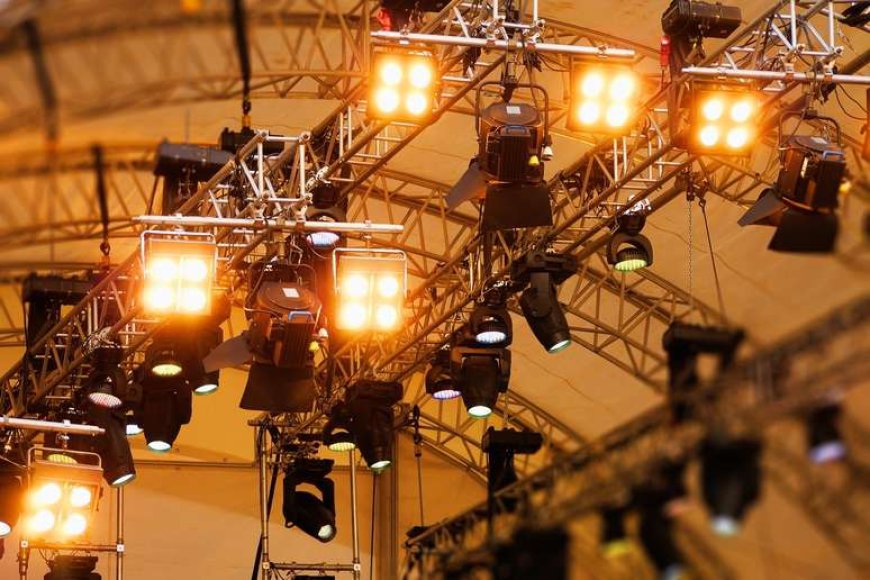
Lighting is one of the most important elements in photography and video production. A camera can capture an image, but the quality of the lighting determines how subjects, textures, colors, and environments appear. Good lighting helps control exposure and contrast while creating a consistent visual appearance across a production.
For photographers and filmmakers working in New York City, purchasing every lighting fixture and accessory required for different projects can be expensive and difficult to manage. Different productions often require different types of lights, modifiers, stands, power solutions, and grip equipment. Renting provides a practical way to access the right tools for a specific shoot without maintaining a large personal inventory.
Renting lighting equipment nyc services can support a wide range of projects. These include studio photography, commercial video, interviews, short films, music videos, corporate productions, fashion shoots, and live events. The right rental setup allows production teams to select equipment based on the location, subject, creative requirements, and available power.
This guide explains the role of lighting equipment in professional production. It covers different types of lighting, their features, practical applications, and the factors to consider when selecting equipment for a shoot.

Why Lighting Matters in Photography and Video
Lighting affects much more than brightness. It influences how an audience sees a subject and how a scene feels visually. The direction, intensity, color, and quality of light can all change the appearance of an image.
For example, front lighting can produce an evenly illuminated subject. Side lighting can emphasize texture and create stronger contrast. Backlighting can separate a subject from the background and create a sense of depth.
In video production, lighting must also remain consistent between shots. Changes in light intensity or color can become noticeable when footage is edited together. Professional lighting systems provide greater control over these variables.
Photographers face similar considerations. A portrait photographer may want soft and controlled illumination around a subject. A product photographer may even need lighting to show accurate surface details. A fashion photographer may require a combination of directional and fill lighting.
The ability to control these characteristics makes professional lighting equipment an important part of a complete production setup.
Understanding Different Types of Lighting Equipment
Lighting equipment comes in many forms. Each type is designed for different production requirements. Understanding the basic categories makes it easier to select equipment for a particular project.
LED Lighting
LED fixtures are widely used in photography and video production because they provide efficient and controllable illumination. Many modern LED fixtures allow users to adjust brightness and color temperature.
Some fixtures also provide color control. This can be useful when a production requires a specific color appearance or needs to match existing practical lights in a location.
LED fixtures are available in different sizes and shapes. Smaller units can be useful for interviews and compact setups. Larger fixtures can illuminate bigger spaces or provide stronger directional sources.
HMI Lighting
HMI fixtures are high-output lights commonly associated with professional film and television production. They are useful when a production requires substantial illumination over a large area.
HMI systems can be particularly useful for exterior work and large interior setups. Because of their output and operating requirements, they often require appropriate power and handling considerations.
Tungsten Lighting
Tungsten fixtures have traditionally been used in film and studio production. They produce warm-colored light and can be useful when a production requires a controlled tungsten appearance.
They are also useful for certain practical lighting applications. However, tungsten fixtures generate significant heat, so proper handling and ventilation should be considered.
Fluorescent and Soft Lighting Systems
Soft lighting systems are commonly used for interviews, portraits, and studio work. They provide broad illumination that can reduce harsh shadows.
Soft sources are useful when the goal is to create flattering illumination or evenly light a subject.
Continuous Lighting Versus Strobe Lighting
One of the important decisions in photography is whether to use continuous lighting or strobes.
Continuous lights remain illuminated throughout the shoot. This allows photographers and filmmakers to see how light and shadows appear before capturing an image or recording footage.
This makes continuous lighting particularly useful for video production because the light remains present while the camera is recording.
Strobe systems produce short bursts of light. They are widely used in still photography because they can provide high light output for a brief period.
The appropriate choice depends on the project. A photographer working exclusively with still images may prefer strobes for certain applications. A video production generally requires continuous lighting.
Rental services allow professionals to choose between these systems based on the specific requirements of each project.
Lighting Modifiers and Their Importance
The light fixture itself is only one part of a lighting setup. Modifiers shape and control the light before it reaches the subject.
Softboxes
Softboxes diffuse light and create a softer appearance. They are commonly used for portraits, interviews, fashion photography, and product photography.
The size of a softbox affects the quality and spread of the light. Larger softboxes can produce broader and softer illumination.
Reflectors
Reflectors redirect existing light toward a subject. They can help reduce shadows without requiring another powered light.
Reflectors are available in different surfaces. White surfaces generally provide softer reflected light, while silver surfaces can produce stronger reflection.
Grids
Grids restrict the spread of light from a modifier. They are useful when a photographer or cinematographer wants to illuminate a specific area without allowing excessive spill onto the background.
Barn Doors
Barn doors are adjustable panels that help control the direction of light. They can be used to prevent unwanted illumination from reaching certain areas of a scene.
Lighting for Studio Photography
Studio photography provides a controlled environment where lighting can be carefully positioned and adjusted.
A basic portrait setup may include a key light, fill light, and background or hair light. The key light provides the primary illumination. The fill light reduces unwanted shadows. A background light can separate the subject from the backdrop.
Product photography may require a different approach. Reflective surfaces can create unwanted highlights, while transparent objects require careful positioning of lights to show their shape.
A rental service allows photographers to build a setup around the subject rather than relying on a fixed collection of equipment.
Lighting for Video Production
Video lighting requires careful planning because light remains visible throughout a sequence.
Interviews often benefit from a simple three-point lighting approach. A key light illuminates the subject. A fill light controls shadows, while a backlight can create separation from the background.
Narrative productions require more complex lighting plans. The lighting may need to match between different camera angles and shooting days.
For location production, portable fixtures can be particularly useful. Battery-powered lights can reduce dependence on available electrical outlets and simplify setup in challenging locations.
Renting Lighting Equipment for Location Shoots
Location photography and video production present different challenges from studio work. Available power, space, weather, ambient light, and transportation all affect equipment selection.
Portable fixtures can help teams work efficiently in locations where traditional studio equipment may be difficult to use.
When planning a location shoot, production teams should consider the total weight of the equipment, required power sources, available stands, and the time needed for setup.
Renting provides the flexibility to select equipment that suits the location rather than transporting a permanent collection of fixtures.
Event Lighting Considerations
Events often require lighting that serves both practical and visual purposes. Conferences, corporate events, fashion presentations, performances, and private gatherings may have different lighting requirements.
Event lighting rental nyc services can provide equipment for illuminating stages, speakers, performers, displays, and event spaces.
For an event, lighting must also consider audience visibility and camera requirements. A space may appear adequately illuminated to people in the room but still require additional lighting for professional video coverage.
Event productions should therefore consider both the needs of attendees and the needs of photographers or video crews.
Lighting Equipment for Commercial Productions
Commercial photography and video often require precise control over light. Product appearance, brand colors, skin tones, and background consistency can all be important.
A commercial production may use multiple fixtures with different modifiers. The setup can be adjusted to create consistent results across several products or scenes.
Working with a professional rental provider makes it possible to select specialized equipment for each campaign without purchasing every fixture permanently.
Benefits of Renting Lighting Equipment
There are several practical reasons professionals choose rental services.
Access to Different Equipment
Different projects require different lighting solutions. Renting allows production teams to select equipment based on the specific assignment.
A portrait shoot may require softboxes and compact fixtures. A commercial production may require high-output sources. A location shoot may need battery-powered systems.
Better Budget Management
Professional lighting systems can represent a substantial investment. Purchasing equipment that is only occasionally used may not be financially efficient.
Rental allows teams to allocate their budget toward equipment needed for a particular project.
Reduced Storage Requirements
Lighting equipment can take up considerable storage space. Fixtures, stands, modifiers, cases, cables, and accessories can quickly accumulate.
Renting reduces the need for permanent storage and allows teams to return equipment after the project is complete.
Access to Updated Technology
Lighting technology continues to develop. New fixtures often provide improvements in efficiency, output, control, and portability.
A rental model gives production teams the opportunity to work with newer systems without replacing an entire personal inventory.
Selecting the Right Lighting Setup
Choosing equipment should begin with the requirements of the project rather than the fixture itself.
Consider the size of the space, subject distance, available power, desired lighting style, camera requirements, and production schedule.
For example, a small interview may not require the same output as a large commercial set. Similarly, a location shoot may prioritize portability while a studio production may prioritize precise control.
A rental professional can help identify equipment that matches these requirements.
Power Requirements and Safety
Power planning is an important part of lighting preparation. Some fixtures require more electrical power than others.
Production teams should understand the power requirements of every fixture before arriving at the location. They should also consider cable management, distribution, and the capacity of available circuits.
Stands and fixtures must be positioned securely. Cables should be organized to reduce trip hazards. Heavy equipment should be supported using appropriate stands and grip equipment.
Professional production practices help protect crew members and equipment while keeping the set organized.
Lighting and Camera Compatibility
Lighting and camera systems should be considered together. Modern cinema cameras can capture significant dynamic range, but lighting still needs to be controlled carefully.
Color temperature is another important consideration. Mixing daylight, tungsten, and other sources without a plan can create inconsistent colors.
Camera tests can help determine how a lighting setup interacts with the selected camera and lens combination.
For complete production requirements, Scheimpflug also provides camera rental NYC services for productions that need professional camera systems.
Lighting and Grip Support
A professional lighting setup depends on more than fixtures. Stands, clamps, frames, flags, diffusion, sandbags, and other grip tools help position and control the light.
These supporting components make it possible to shape the scene with greater precision.
For productions that require additional equipment, production gear rental in NYC can provide supporting tools for different types of shoots.
When to Choose Professional Lighting Rental
Professional rental services are particularly useful when a project has specialized requirements.
A filmmaker may need a high-output fixture for an exterior night scene. A photographer may require several large softboxes for a fashion campaign. An event producer may need multiple fixtures for stage and audience illumination.
In each case, renting provides access to equipment that may not be practical to purchase and store permanently.
The rental model is also useful when production teams need to scale their equipment for larger projects.
How to Prepare for a Lighting Rental
Preparation helps make the rental process more efficient.
Before contacting a rental provider, identify the type of project, location, number of shooting days, approximate crew size, and desired lighting style.
A basic equipment list can include:
-
Main lighting fixtures
-
Light modifiers
-
Stands
-
Grip equipment
-
Power cables
-
Batteries
-
Diffusion
-
Flags
-
Sandbags
-
Cases and transport equipment
Sharing this information with the rental provider makes it easier to develop a suitable package.
Why Equipment Testing Matters
Testing lighting equipment before a major production can help identify compatibility issues. It allows the crew to confirm output, color characteristics, mounting requirements, and power needs.
Testing is particularly useful when multiple types of fixtures are being combined.
A short lighting test can also help determine how the selected fixtures interact with the camera. This can reduce surprises once production begins.
The Role of Professional Rental Support
Equipment specifications only tell part of the story. Practical experience can help determine which fixtures and accessories are appropriate for a specific production.
A knowledgeable rental team can help identify alternatives based on budget, location, output requirements, and creative goals.
This type of support can be particularly useful when a production involves equipment that the crew has not previously used.
Choosing Lighting Equipment Rental in New York
New York supports a wide range of professional photography, film, television, commercial, and event productions. Because production requirements vary significantly, access to a broad selection of equipment can be valuable.
When considering lighting equipment rental new york services, production teams should evaluate equipment selection, maintenance standards, technical support, accessibility, and the provider's understanding of professional production workflows.
The goal is not simply to rent the most powerful fixture. The goal is to choose equipment that fits the project.
Conclusion
Lighting has a direct influence on the quality, consistency, and visual character of photography and video. Professional lighting equipment provides control over exposure, shadows, color, contrast, and subject separation.
For many photographers, filmmakers, and production teams, renting lighting equipment nyc is a practical way to access professional tools without the cost and responsibility of maintaining a large inventory.
Rental services also make it easier to adapt equipment to different projects. A small interview, commercial production, studio portrait session, or live event can each require a different combination of fixtures and accessories.
Scheimpflug supports professional production workflows with a selection of lighting, grip, camera, and production equipment. Its focus on reliable equipment, practical support, and consistent service helps production teams select tools that match their project requirements.
FAQs
Q: Why should photographers rent lighting equipment?
A: Renting gives photographers access to professional fixtures, modifiers, and support equipment without requiring a permanent investment. It also allows them to choose different lighting systems for portraits, products, fashion, studio work, and location shoots based on each project's requirements.
Q: What lighting equipment can be rented for video production?
A: Video productions can rent LED fixtures, HMI systems, tungsten lights, softboxes, reflectors, grids, stands, diffusion, flags, and other grip accessories. The appropriate combination depends on the location, scene size, available power, and desired visual result.
Q: Is rental lighting suitable for event photography?
A: Yes. Rental lighting can support conferences, performances, corporate events, fashion presentations, and other gatherings. Equipment can provide better illumination for both attendees and cameras while allowing production teams to adapt the setup to the venue.
Q: How do I choose the right lighting equipment?
A: Start by considering the location, subject, available power, shooting style, camera system, and desired lighting effect. A professional rental provider can then help select suitable fixtures, modifiers, stands, and accessories for the production.
Q: What should I consider when renting lighting in NYC?
A: Consider equipment availability, condition, technical support, power requirements, transportation, and the provider's experience with professional productions. A suitable rental package should match the project's creative needs while remaining practical for the location and schedule.