Route Optimization Software: Transforming Logistics Operations in the USA
 mobilityinfotechlogistics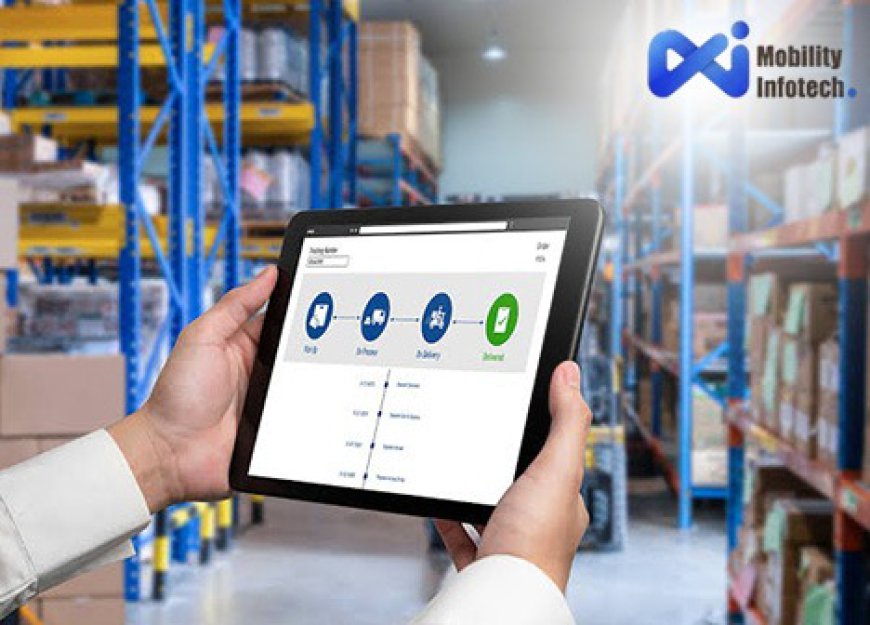
The U.S. logistics industry is under constant pressure to deliver faster, reduce transportation costs, and provide greater visibility across every shipment. With changing traffic conditions, rising fuel expenses, tight delivery windows, driver shortages, and growing customer expectations, traditional route planning methods are no longer enough. This is where route optimization software can make a measurable difference.
For logistics companies, fleet operators, distributors, and last-mile delivery businesses, intelligent routing technology can turn complex delivery schedules into efficient, data-driven routes while helping dispatch teams respond to real-world changes.
What Is Route Optimization Software?
Route optimization software is a technology solution that automatically determines efficient routes for drivers and vehicles based on multiple operational factors. Instead of relying on spreadsheets, manual calculations, or basic navigation apps, the software evaluates information such as delivery locations, vehicle capacity, driver availability, traffic, service times, and customer time windows.
Modern optimization platforms can also support dynamic rerouting. If a driver encounters congestion, a road closure, a delayed delivery, or another unexpected issue, routes can be adjusted to help maintain operational efficiency.
This is particularly valuable in the USA, where logistics operations may cover large geographic areas and involve hundreds or thousands of delivery points.
Why U.S. Logistics Companies Need Smarter Routing
Transportation efficiency directly affects profitability. A poorly planned route can create unnecessary mileage, fuel consumption, overtime, vehicle wear, and missed delivery windows. These costs become significant when multiplied across an entire fleet.
U.S. logistics operations also face increasingly complex delivery requirements. Customers expect accurate ETAs, faster deliveries, and reliable service. Meanwhile, dispatchers must balance driver schedules, vehicle capacity, traffic conditions, and changing orders.
Research and industry analysis show that route optimization can help businesses reduce fuel consumption, improve productivity, and increase delivery efficiency.
For smaller and mid-sized fleets, the impact can be particularly important because efficient planning allows companies to make better use of existing drivers and vehicles instead of immediately expanding fleet capacity.
Key Benefits of Route Optimization Software
1. Reduce Fuel and Transportation Costs
Fuel is one of the largest operating expenses for many logistics businesses. Optimized routes can reduce unnecessary mileage, repeated trips, and inefficient stop sequences. Fewer miles can translate into lower fuel consumption and reduced vehicle operating costs.
2. Improve Driver Productivity
Manual route planning can take considerable time, especially when delivery schedules change throughout the day. Route optimization automates much of this work, allowing dispatchers to focus on exceptions and operational decisions instead of repeatedly rebuilding routes.
Efficient routes can also help drivers complete more stops within their available working hours.
3. Increase On-Time Deliveries
Delivery windows are becoming increasingly important for U.S. businesses. Route optimization considers appointment times and service constraints when creating routes, helping drivers reach customers within planned windows.
Better planning can also improve ETA accuracy and reduce the likelihood of missed deliveries.
4. Enable Real-Time Rerouting
A route that looks perfect in the morning can become inefficient within minutes because of traffic, accidents, weather, construction, or last-minute customer changes.
Modern route optimization platforms can use live operational information to adjust routes and help dispatchers respond quickly rather than relying on static plans.
5. Improve Customer Experience
Logistics performance is closely connected to customer satisfaction. Accurate ETAs, timely deliveries, and better communication create a more predictable experience.
When customers know when their shipment is expected to arrive, businesses can reduce uncertainty and build greater trust.
How Mobility Infotech Logistics Supports Smarter Routing
For U.S. logistics companies looking to modernize transportation operations, Mobility Infotech Logistics focuses on technology-driven solutions designed around the realities of fleet and delivery management.
The company's approach goes beyond simply finding the shortest path between two locations. Effective logistics route optimization requires consideration of multiple operational constraints, including vehicle capacity, delivery windows, driver availability, traffic, and changing delivery requirements.
By combining intelligent routing with better operational visibility, logistics businesses can move from reactive dispatching toward a more structured and data-driven approach.
The Future of Logistics Route Optimization
The future of logistics will increasingly depend on automation, real-time data, and intelligent decision-making. As delivery networks become more complex, businesses need technology that can adapt rather than simply provide a fixed route.
For U.S. logistics companies, route optimization software can become an important tool for controlling transportation costs, improving fleet utilization, increasing delivery reliability, and supporting scalable growth.
Instead of asking whether a route could be slightly shorter, businesses should consider the bigger picture: How efficiently can every driver, vehicle, delivery window, and mile be managed?
With the right technology and implementation strategy, route optimization can turn routing from a daily administrative task into a strategic advantage.
For logistics businesses in the USA, Mobility Infotech Logistics can help create a smarter path toward more efficient, visible, and scalable transportation operations.