Sustainable Marine Fuels Market: Size, Trends, and Strategic Growth Insights
 coherentmarket
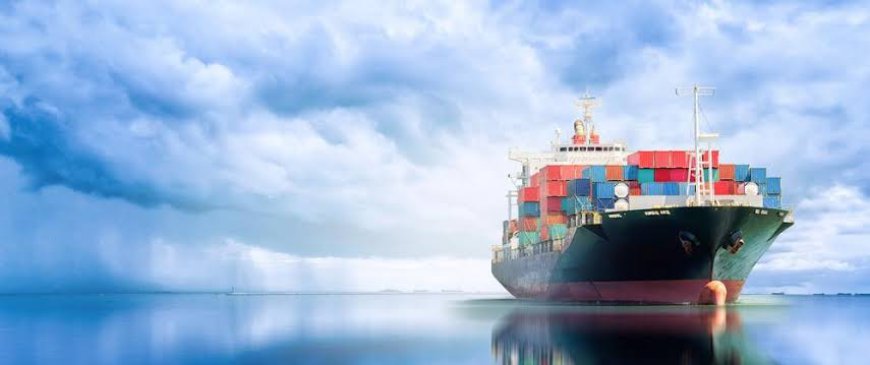
The sustainable marine fuels market has witnessed unprecedented growth as the maritime industry aggressively transitions towards low-carbon and eco-friendly solutions. With increasing regulatory pressures and rising awareness around environmental sustainability, industry players are investing heavily in innovative fuels that ensure compliance and reduce carbon footprints while sustaining operational efficiency.
Market Size and Overview
The sustainable marine fuels market is estimated to be valued at USD 19.88 billion in 2025 and is expected to reach USD 346.06 billion by 2032, growing at a compound annual growth rate (CAGR) of 15.5% from 2025 to 2032.
This Sustainable Marine Fuels Market Growth underlines the intensifying efforts within the maritime sector to adopt cleaner energy alternatives, driven by stringent emission norms and government incentives worldwide. The market dynamics reflect strong market revenue expansion fueled by technological advancements and growing environmental concerns.
Market Segments
The sustainable marine fuels market is segmented broadly into fuel type, application, and region.
- Fuel Type: Sub-segments include biofuels, LNG, hydrogen-based fuels, and synthetic fuels. Among these, biofuels dominate due to their relative maturity and compatibility with existing infrastructure, while hydrogen-based fuels are the fastest-growing segment powered by breakthroughs in fuel cell technology demonstrated in 2024 projects.
- Application: Commercial shipping, naval, and recreational boating represent major application segments. The commercial shipping segment commands a dominant share given the high fuel consumption of cargo vessels, whereas naval vessels are rapidly adopting synthetic and alternative fuels for strategic sustainability initiatives.
- Region: The Asia-Pacific region shows accelerated growth, bolstered by investments in fuel innovations and port infrastructure upgrades, particularly notable in 2025 expansions in Southeast Asia.
Market Drivers
A critical market driver shaping the sustainable marine fuels landscape is the tightening of International Maritime Organization (IMO) regulations, specifically IMO 2030 and 2050 emission targets. In 2024, approximately 65% of new projects globally incorporated IMO-compliant fuels or technologies, highlighting a shift toward mandatory environment-friendly fuel adoption. These regulations encourage shipowners and fleet operators to explore alternative fuels, thereby significantly underpinning market opportunities despite market challenges such as fuel availability and infrastructure development.
Segment Analysis
Focusing on the fuel type segment, biofuels held the largest revenue share in 2025 due to their blended usage in marine engines and decreasing production costs. However, hydrogen fuels, propelled by large-scale pilot deployments in 2024, recorded the fastest growth rate, driven by zero-emission credentials and improved fuel-cell efficiencies. For instance, a 2024 case involving a leading shipping company’s hydrogen-powered fleet accrued a 20% operational cost reduction, substantiating market insights on evolving industry preferences and technological feasibility.
Consumer Behaviour Insights
Recent consumer behavior studies in 2024-2025 reveal three notable shifts:
1. Sustainability Prioritization: Fleet operators increasingly prioritize fuels with the lowest carbon intensity, motivated by tighter regulatory policies and stakeholder pressures.
2. Digital Procurement and Monitoring: A growing emphasis on digital platforms for real-time fuel consumption monitoring and transparent procurement is evident, enhancing pricing sensitivity and cost efficiency.
3. Customization Demand: Operators seek tailor-made fuel solutions corresponding to vessel types and routes, shown by a 30% rise in bespoke fuel contracts in 2025, reflecting market trends toward operational optimization.
Key Players
Key sustainable marine fuels market players shaping growth trajectories include Neste Corp., FincoEnergies, Liquid Wind AB, P. Moller-Maersk A/S, and TotalEnergies SE. These market companies undertook significant initiatives during 2024 and 2025 such as capacity expansions by Neste and innovative hydrogen fuel supply chains developed by Liquid Wind AB. Additionally, P. Moller-Maersk accelerated regional market penetration by launching biofuel-powered container fleets across Europe, resulting in measurable market revenue growth and improved industry share.
Key Winning Strategies Adopted by Key Players
1. Vertical Integration by Neste Corp. (2025): Neste’s strategic move to vertically integrate biofuel production with shipping operations enhanced supply security and reduced costs by 18%, setting a benchmark for sustainable marine fuels market growth strategies.
2. Collaborative Pilots on Synthetic Fuels by Liquid Wind AB (2024): Partnerships with major shipping firms enabled Liquid Wind AB to scale synthetic fuel trials, overcoming market restraints related to fuel scalability and attracting new market companies with high-value contracts.
3. Digital Fuel Management Systems by P. Moller-Maersk (2025): Deployment of AI-based fuel monitoring not only optimized fuel consumption patterns but also fostered business growth through data-driven decision making, differentiating its services among market players.
FAQs
1. Who are the dominant players in the Sustainable Marine Fuels Market?
Dominant market players include Neste Corp., FincoEnergies, Liquid Wind AB, P. Moller-Maersk A/S, and TotalEnergies SE, known for their strong market positioning through fuel innovation, capacity expansions, and strategic market entries.
2. What will be the size of the Sustainable Marine Fuels Market in the coming years?
The market size is projected to grow from USD 19.88 billion in 2026 to USD 346.06 billion by 2033, reflecting a CAGR of 50%, driven by adoption of low-emission fuel technologies and regulatory compliance.
3. Which end user industry has the largest growth opportunity?
Commercial shipping holds the largest growth opportunity due to its extensive fuel demand and regulatory pressure, particularly in container and bulk carrier segments adapting sustainable marine fuels.
4. How will market development trends evolve over the next five years?
Market trends forecast accelerated adoption of hydrogen and synthetic fuels, increased digitalization in fuel management, and growing customization of fuel solutions to meet vessel-specific and route-specific requirements.
5. What is the nature of the competitive landscape and challenges in the Sustainable Marine Fuels Market?
The competitive landscape is characterized by intense innovation and strategic collaborations. Key market challenges include infrastructure gaps, fuel availability, and cost considerations that players are addressing through vertical integration and partnership models.
6. What go-to-market strategies are commonly adopted in the Sustainable Marine Fuels Market?
Prominent strategies include vertical integration of fuel supply chains, collaborative pilot projects to validate new fuel technologies, and deployment of digital fuel management platforms to enhance operational efficiencies and market outreach.
‣ Get more insights on : Sustainable Marine Fuels Market
‣ Get this Report in Japanese Language: 持続可能な海洋燃料市場
‣ Get this Report in Korean Language: 지속가능한해양연료시장
‣ Read More Related Articles - India's push towards sustainable biofuels
Author Bio:
Sakshi Suryawanshi is a Research Consultant with 6 years of extensive experience in market research and consulting. She is proficient in market estimation, competitive analysis, and patent analysis. Sakshi excels in identifying market trends and evaluating competitive landscapes to provide actionable insights that drive strategic decision-making. Her expertise helps businesses navigate complex market dynamics and achieve their objectives effectively.