The Complete Guide to Professional Insulation Replacement Services
 metaminds
0
3
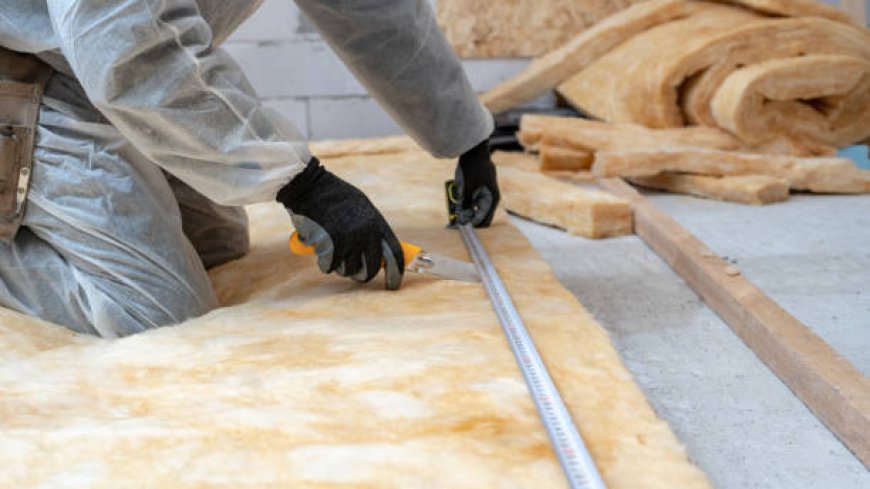
Insulation is one of those things most people don’t really think about until something starts going wrong. It sits behind the walls, under the roof, and in places nobody looks at every day. But when a house feels colder than it should, rooms heat up too quickly, or energy bills seem to keep creeping higher, the insulation could be part of the problem. That’s where professional insulation replacement services come in.
Damon has seen plenty of homeowners put insulation issues on the back burner because there are always other things to fix first. A leaking tap, a broken appliance, a paint job. Those things are easier to notice. Insulation problems are quieter. They build up over time.
The thing is, old insulation doesn’t always keep doing its job forever. It can settle, lose effectiveness, absorb moisture, or become damaged. And when that happens, the home starts working harder to stay comfortable.
Replacing insulation isn’t just about throwing some new material into the attic or walls and calling it done. There’s usually more going on. A proper job looks at where heat is escaping, what caused the issue, and what type of insulation actually suits the property.
Common Signs Your Insulation Needs Replacement
One of the biggest signs is inconsistent temperatures around the house. Maybe the living room feels fine, but the upstairs bedrooms are freezing. Or one side of the home gets much warmer than the other. This usually means something isn’t working properly.
Another obvious clue is rising energy costs. Heating and cooling systems can only do so much. If the insulation isn’t helping hold the temperature inside, the system has to run longer. That extra work shows up on the bills.
There are other signs too. Drafts near walls, damp smells, old insulation that looks damaged, and rooms that never seem comfortable are all worth checking.
Damon often tells people not to jump straight into buying a bigger heater or air conditioner before looking at the insulation. Sometimes the equipment isn’t the issue. Sometimes the house is simply losing the air it already paid to heat or cool.
What Happens During Insulation Replacement Work
A proper insulation replacement starts with checking what is already there. A professional will normally inspect the current material, look for damage, and figure out where the weak spots are.
This step gets skipped more often than it should. Some people think adding more insulation on top of old insulation solves everything. Sometimes it helps. Sometimes it just hides the actual problem.
If the existing insulation has moisture damage, mould issues, or has broken down badly, removing it first is usually the smarter option.
After that, the right insulation material is chosen. Different homes need different solutions. Fibreglass insulation might work well in one situation, while spray foam or cellulose may make more sense somewhere else.
The installation itself matters a lot. Even good insulation won’t perform properly if some gaps or areas have been missed. Small mistakes during installation can reduce the overall benefit.
How Retrofit Wall Insulation Helps Older Properties
A lot of older houses were built before modern energy efficiency standards became common. The walls may have little insulation or none at all. Completely rebuilding walls isn’t realistic for most homeowners, which is why retrofit wall insulation has become a popular option.
This method allows insulation to be added to existing walls without major reconstruction. Depending on the building design, insulation can be installed through small access points or wall cavities.
It can be a practical upgrade for older properties that feel uncomfortable throughout the year. Better wall insulation can help keep warmth inside during colder months and reduce heat entering the home when temperatures rise.
However, retrofit work needs proper planning. Older homes can have surprises behind the walls. Electrical wiring, moisture problems, and unusual construction methods can all affect the process.
A contractor who takes time to inspect these things first will usually deliver better results than someone who just wants to finish quickly.
Finding the Right Professional for the Job
Choosing an insulation company is not only about price. The cheapest option can sometimes become the most expensive one later if the work is rushed or poorly done.
Homeowners should look for installers who explain what needs to happen and why. They should be able to discuss insulation types, expected improvements, and any possible issues before starting.
Damon’s view is pretty straightforward here. Good insulation work should not need constant attention afterwards. Once it’s done properly, it should quietly do its job in the background.
A good contractor will focus on the details. Checking the space properly. Installing materials correctly. Making sure the insulation is actually solving the problem instead of covering it up.
Conclusion: Improving Comfort Starts Behind the Walls
Insulation might not be the most exciting home improvement project, but it can have a real impact on everyday comfort. A home that holds its temperature better feels better, costs less to run, and puts less pressure on heating and cooling systems.
Professional insulation replacement services can help fix problems caused by old, damaged, or poorly installed insulation. For older homes especially, options like retrofit wall insulation can provide a practical way to improve efficiency without a full renovation.
The main thing is getting the work done properly. Insulation is hidden, but its results are something homeowners notice every day. A warmer room in winter, a cooler house in summer, and fewer surprises on energy bills. Sometimes the things you don’t see are the things making the biggest difference.