United States Infant Nutrition Market: Size, Trends, and Growth Analysis
The United States Infant Nutrition Market exhibits strong potential driven by rising health awareness and innovation in formula products. Our comprehensive market analysis captures the latest market trends, revenue patterns, and competitive landscape shaping the future of this dynamic sector in 2024 and 2025.
 coherentmi21
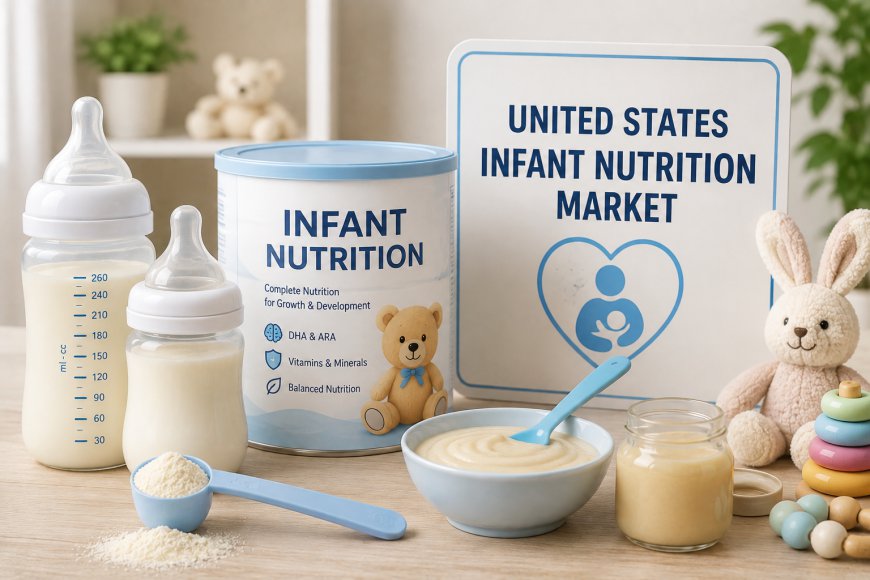
The United States Infant Nutrition Market exhibits strong potential driven by rising health awareness and innovation in formula products. Our comprehensive market analysis captures the latest market trends, revenue patterns, and competitive landscape shaping the future of this dynamic sector in 2024 and 2025.
Market Size and Overview
The United States Infant Nutrition Market is estimated to be valued at USD 14.60 Bn in 2025 and is expected to reach USD 21.52 Bn by 2032, growing at a CAGR of 5.7% from 2025 to 2032.
This United States Infant Nutrition Market Growth is supported by increasing demand for specialized nutritional products tailored to infant needs, expanding healthcare awareness among parents, and rising incidence of nutrition-related concerns among newborns, driving market revenue substantially. The market report highlights significant opportunities for product innovation and expansion fueled by changing consumer preferences and strict regulatory adherence.
Market Drivers
A primary market driver is the increasing focus on infant health and wellness, particularly the demand for organic and clinically proven nutritional formulas. For instance, in 2025, product launches emphasizing allergen-free and probiotic-enriched infant formulas by key market players resulted in a 12% surge in revenue for specialty infant nutrition segments. Furthermore, rising maternal age and delayed childbirth in the U.S. contribute to elevated demand for infant nutrition products that support neonatal development, underpinning steady market growth and expanding market share.
PEST Analysis
- Political: The U.S. government’s stringent regulations on infant formula quality and labeling, reinforced in 2024, ensure high product safety standards, positively influencing consumer confidence and market scope. Policy support for maternal and infant health programs further drives market opportunities.
- Economic: Despite inflationary pressures in 2024, rising disposable income levels within urban populations allow greater spending on premium infant nutrition products. However, economic uncertainties pose market challenges for lower-income segments, impacting overall market revenue growth.
- Social: Changing lifestyle trends, including increasing working mothers and preference for ready-to-feed infant formulas, are altering consumer behavior and propelling market dynamics. Heightened awareness regarding infant allergies and intolerances also creates niche market segments.
- Technological: Advancement in biotechnology and nutrition science have led to the introduction of advanced formulations like human milk oligosaccharides (HMOs) and probiotics in 2025. Such innovations increase product efficacy and consumer trust, shaping market forecast positively.
Promotion and Marketing Initiative
In 2025, a leading infant nutrition market player implemented a nationwide digital awareness campaign promoting breastfeeding alternatives fortified with added nutritional benefits. The campaign leveraged social media influencers and pediatric endorsements, driving a 20% increase in product inquiries and a significant uplift in online sales. These marketing initiatives effectively enhance brand visibility, contributing to business growth and reinforcing the competitive positioning of market companies.
Key Players
The United States Infant Nutrition Market is dominated by prominent market players including Abbott Nutrition, Mead Johnson Nutrition, Nestle USA, Perrigo Company, and Danone S.A. Recent strategies include:
- Abbott Nutrition: Launched new hypoallergenic infant formulas with added HMOs in early 2025, boosting its market share by 4%.
- Mead Johnson Nutrition: Expanded manufacturing capacity in 2024 to meet rising demand for organic infant nutrition products across the country.
- Nestle USA: Partnered with healthcare providers in 2025 to promote infant nutrition education programs integrated with product offerings.
- Perrigo Company: Introduced affordable nutrition options targeting low-income consumers in 2024, widening market scope.
- Danone S.A.: Focused on sustainability initiatives in packaging and ingredient sourcing, enhancing brand reputation and attracting eco-conscious consumers.
Additional key market players include:
- Hero Group
- Royal FrieslandCampina N.V.
- Hain Celestial Group
- BioGaia AB
- Bubs Australia
- Kate Farms
- Bellamy’s Organic
- Nestlé Health Science
- Reckitt Benckiser
- Kraft Heinz Company
These market companies continue to implement market growth strategies such as product diversification, regional expansion, and strategic acquisitions to consolidate their market leadership.
FAQs – United States Infant Nutrition Market
1. Who are the dominant players in the United States Infant Nutrition Market?
Dominant players include Abbott Nutrition, Mead Johnson Nutrition, Nestle USA, Perrigo Company, and Danone S.A., who lead through product innovation, market expansions, and healthcare collaborations.
2. What will be the size of the United States Infant Nutrition Market in the coming years?
The market size is projected to grow from USD 14.60 billion in 2026 to USD 21.52 billion by 2033, reflecting a CAGR of 5.7% driven by rising consumer demand and technological advancements.
3. Which end-user industry has the largest growth opportunity?
The premium segment for specialized infant formulas, including organic and allergen-free products, offers the largest growth opportunities due to increasing consumer awareness and higher disposable incomes.
4. How will market development trends evolve over the next five years?
Market trends point toward innovation in probiotic-enriched formulations, sustainable packaging, and digital engagement strategies to enhance consumer education and brand loyalty.
5. What is the nature of the competitive landscape and challenges in the United States Infant Nutrition Market?
The market is competitive, with key players focusing on product differentiation and regulatory compliance. Challenges include fluctuating raw material costs and addressing affordability without compromising quality.
6. What go-to-market strategies are commonly adopted in the United States Infant Nutrition Market?
Strategies include digital marketing campaigns leveraging pediatric endorsements, partnerships with healthcare providers, product portfolio diversification, and investment in research and development for next-gen infant nutrition solutions.
‣ Get this Report in Japanese Language: 米国の乳児栄養市場
‣ Get this Report in Korean Language: 미국영유아영양시장
About Author:
Money Singh is a seasoned content writer with over four years of experience in the market research sector. Her expertise spans various industries, including food and beverages, biotechnology, chemical and materials, defense and aerospace, consumer goods, etc