United States Pharmaceuticals Market Size, Trends, and Strategic Insights 2026-2033
 coherentmarket
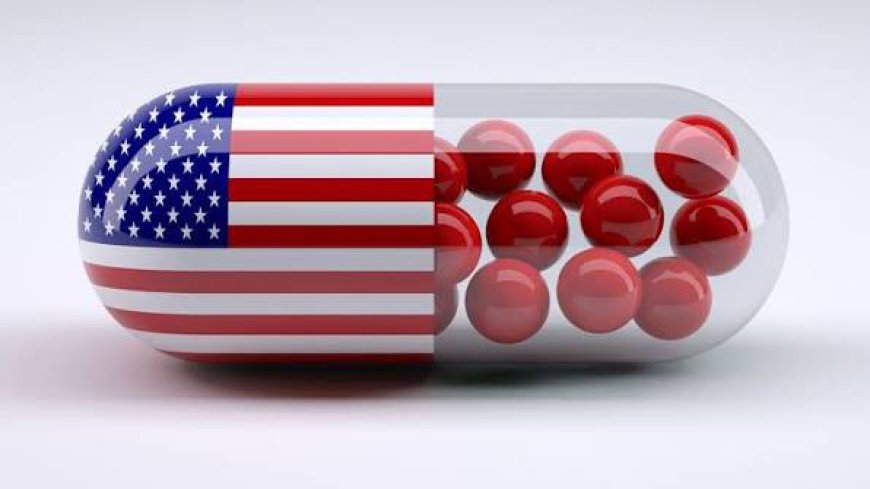
The United States Pharmaceuticals industry continues to exhibit resilient growth, driven by innovation in drug development and increasing healthcare demands. With significant advancements in biologics and personalized medicine, this market has become a critical sector that aligns closely with emerging healthcare needs and technological progress.
Market Size and Overview
The United States Pharmaceuticals Market size is expected to reach US$ 1280.64 billion by 2032, from US$ 709.62 billion in 2025, at a CAGR of 8.8% during the forecast period.
This strong United States Pharmaceuticals Market Growth is underpinned by robust pharmaceutical R&D, expansion of specialty drug portfolios, and evolving regulatory frameworks that support accelerated drug approvals. Increasing prevalence of chronic diseases and rising consumer healthcare awareness also contribute significantly to the market expansion.
Market Segments
The United States Pharmaceuticals market can be broadly segmented into product type, therapeutic area, and distribution channel.
- Product Type: The dominant sub-segment is branded pharmaceuticals, which commanded the largest revenue share in 2025, while biosimilars emerge as the fastest-growing sub-segment, propelled by increased patent expirations of biologics and improved regulatory pathways. For instance, the U.S. FDA approved a record number of biosimilars in 2024, expanding treatment affordability and accessibility.
- Therapeutic Area: Oncology drugs lead the therapeutic area segment with maximum market traction, reflecting heightened investment and innovation. Simultaneously, immunology-focused pharmaceuticals showed the fastest growth rate, driven by expanding patient populations and novel biologic therapies launched in 2024.
- Distribution Channel: Retail pharmacies remain the largest contributor to market revenue; however, the hospital pharmacy segment is registering the fastest growth, supported by increased inpatient treatments and specialty drug administration.
Market Drivers
A key driver fueling market growth is the surge in specialty drug development and regulatory incentives implemented by the FDA in 2024, including expedited review pathways and extended market exclusivity programs. These initiatives have accelerated innovation cycles, leading to higher market revenue as companies rush to capitalize on market opportunities. In 2025, spending on specialty pharmaceuticals increased by over 12%, reflecting the market dynamics that favor targeted and advanced therapies for complex diseases.
Segment Analysis: Product Type
Focusing on product type, branded pharmaceuticals dominated the market with strong revenue performance in 2024, accounting for a majority of the market size. However, biosimilars are poised for rapid expansion, with a CAGR surpassing 15% from 2024 to 2025, linked to patent cliffs and increased prescriber acceptance. A pertinent case is Pfizer Inc.’s launch of several biosimilar candidates in early 2025, which broadened their product portfolio and enhanced market presence across oncology and autoimmune disorders. This aligns with market insights that emphasize shifting industry trends towards biosimilar adoption contributing notably to business growth.
Consumer Behaviour Insights
Consumer behavior in the United States Pharmaceuticals market has evolved with three distinct trends. First, there is an increasing digital consumption habit, with an estimated 35% rise in online prescription refills reported in 2025, reflecting the demand for convenience. Secondly, pricing sensitivity has intensified amid healthcare cost scrutiny, pushing manufacturers to adopt value-based pricing models more aggressively. Third, customization preference is rising, particularly for chronic disease management treatments, where personalized medicine and pharmacogenomics are gaining favor, validated by survey findings from 2024 indicating that over 40% of patients preferred tailored therapeutic regimens.
Key Players
Key market companies leading the United States Pharmaceuticals market include Johnson and Johnson Inc., Pfizer Inc., AbbVie Inc., Merck KGaA, and Bristol-Myers Squibb Company, among others. Throughout 2024 and 2025, these market players have driven growth by launching novel therapeutic agents, expanding manufacturing capacities, and entering new regional segments within specialty therapeutics. For example, Johnson & Johnson’s 2025 launch of a next-generation immunotherapy platform significantly enhanced its pipeline and contributed to prominent market revenue inflows.
Key Winning Strategies Adopted by Key Players
Several innovative market growth strategies stand out among top players. Pfizer Inc. in 2025 successfully implemented an integrated digital patient engagement platform that improved medication adherence rates by 20%, setting a benchmark in patient-centric market strategies. AbbVie Inc., in 2024, adopted a strategic alliance model with biotechnology firms, accelerating R&D productivity through shared intellectual property, leading to a reduced time-to-market for breakthrough biologics. Additionally, Merck KGaA leveraged advanced AI-driven drug discovery technologies in 2025, realizing a 15% increase in pipeline candidates, which optimized both cost and development timelines—an approach creating substantial competitive advantage. These strategies illustrate market trends emphasizing technology integration and partnerships driving sustainable business growth.
Frequently Asked Questions (FAQs)
1. Who are the dominant players in the United States Pharmaceuticals market?
Dominant market players include Johnson and Johnson Inc., Pfizer Inc., AbbVie Inc., Merck KGaA, and Bristol-Myers Squibb Company, who continually innovate and expand portfolios to capture emerging market opportunities.
2. What will be the size of the United States Pharmaceuticals market in the coming years?
The market size is projected to grow from USD 709.62 billion in 2026 to USD 1,280.64 billion by 2033, with a CAGR of 8.8%, reflecting strong market growth prospects.
3. Which therapeutic area has the largest growth opportunity in the United States Pharmaceuticals market?
Oncology remains the largest therapeutic area, while immunology is emerging as the fastest-growing segment, supported by recent biologic drug launches.
4. How will pharmaceutical market development trends evolve over the next five years?
Key development trends include increased biosimilar adoption, digital health integration for patient engagement, and accelerated specialty drug approvals, shaping future market dynamics.
5. What is the nature of the competitive landscape and challenges in the United States Pharmaceuticals market?
The landscape is highly competitive with dynamic innovation cycles, but challenges include stringent regulatory environment, pricing pressures, and the need for strategic collaborations to sustain growth.
6. What go-to-market strategies are commonly adopted in the United States Pharmaceuticals market?
Strategic initiatives such as digital patient engagement platforms, biotech collaborations, and AI-driven R&D innovations are prominent market growth strategies driving revenue and business expansion.
➣ Get more insights on: United States Pharmaceuticals Market
➣ Get this Report in Japanese Language: 米国の医薬品市場
➣ Get this Report in Korean Language: 미국의약품시장
➣ Read More Related Articles: Global Oxygen Scavenger: Ensuring Safety and Quality Across Industries
About Author:
Vipul Patil is a dynamic management consultant with 6 years of dedicated experience in the pharmaceutical industry. Known for his analytical acumen and strategic insight, Vipul has successfully partnered with pharmaceutical companies to enhance operational efficiency, cross broader expansion, and navigate the complexities of distribution in markets with high revenue potential.