What Are Fat Injections Used For?
 Dynamicclinic
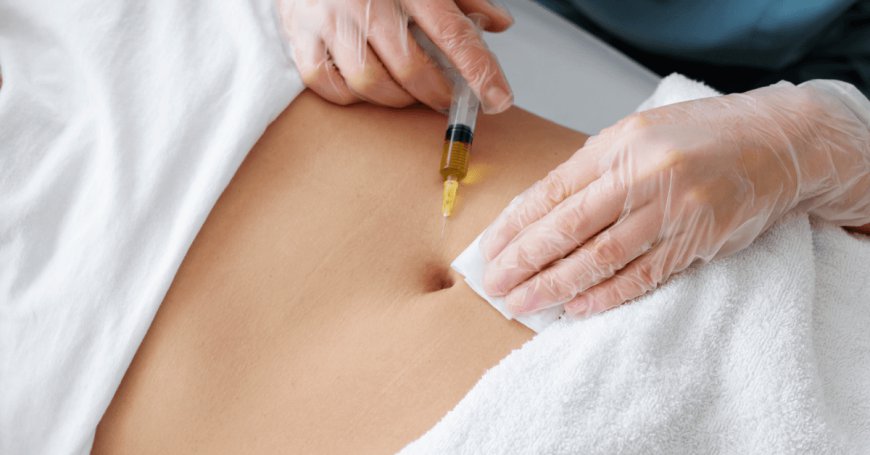
Fat injections, also known as fat transfer, use a person's own fat to restore volume, enhance contours, and create a more balanced appearance in selected areas of the face or body. People researching Fat Injections in Dubai may want to understand how the procedure works, where it can be used, and whether it is appropriate for their individual goals. Dynamic Life Clinic in Dubai provides information about fat-transfer procedures and available treatment options, including consultation-based approaches for people considering personalized aesthetic care.
What Are Fat Injections Used For?
Fat injections involve removing fat from one area of the body, processing it, and transferring suitable fat cells to another area where additional volume may be desired. Because the material comes from the person's own body, fat transfer can be used as an alternative to certain synthetic volume-enhancing treatments.
Facial Volume Restoration
Fat transfer may be considered when natural facial volume has decreased because of aging, weight changes, or individual facial structure.
Contour Enhancement
Transferred fat can be used to improve selected contours where additional fullness is desired.
Natural-Looking Volume
When appropriately planned, fat transfer can create gradual-looking changes rather than an overly augmented appearance.
Who Is a Good Candidate for Fat Injections?
Suitability depends on overall health, available donor fat, treatment goals, and the area being treated.
Adequate Donor Fat
A person needs a suitable area from which enough fat can be harvested for the planned treatment.
Realistic Expectations
Good candidates generally understand that results vary and that some transferred fat may naturally be reabsorbed by the body.
Stable Health
A detailed medical assessment is important before an elective fat-transfer procedure. Certain medical conditions, medications, smoking, or healing concerns may affect suitability.
Appropriate Treatment Goals
Fat transfer is best considered when the desired improvement can reasonably be achieved through adding volume.
What Areas Can Receive Fat Injections?
Fat transfer may be used in several areas depending on anatomy and treatment goals.
Face
Common facial applications can include the cheeks, temples, lips, chin, and other areas affected by volume loss.
Buttocks
Fat transfer may be used for selected body-contouring goals involving the buttocks, subject to careful medical assessment.
Other Contour Areas
Certain areas of the body may be considered when additional soft-tissue volume or contour improvement is appropriate.
The exact treatment area should always be determined during an individualized consultation rather than selected solely from general examples.
Can Fat Injections Add Facial Volume?
Facial fat transfer can restore fullness in areas that appear hollow or less defined.
Cheek Enhancement
Adding volume to the cheeks may create a fuller and more balanced facial contour.
Temple Restoration
Volume loss around the temples can contribute to a more hollow appearance. Fat transfer may be considered for selected patients.
Lip Enhancement
In suitable cases, transferred fat can be used to add subtle fullness to the lips.
Overall Facial Balance
Treatment planning should consider how each facial area relates to the others rather than focusing on isolated volume enhancement.
Can Fat Injections Improve Body Contours?
Fat transfer can combine fat removal from a donor area with volume enhancement elsewhere.
Contouring Selected Areas
Removing unwanted localized fat and transferring it to another area can sometimes support improved body proportions.
Proportion and Symmetry
The goal is not simply to add volume but to create contours that complement the individual's existing body shape.
Individual Planning
The amount of fat available, tissue characteristics, and desired outcome can influence the treatment strategy.
Can Fat Injections Treat Facial Volume Loss?
Facial volume naturally changes over time. Fat compartments can become smaller or shift, contributing to hollows and changes in facial contour.
Age-Related Volume Changes
Loss of soft-tissue fullness can affect the cheeks, temples, and other areas of the face.
Weight Changes
Significant weight loss can also reduce facial fullness.
Restoring Selected Areas
Fat transfer can be considered when a person wants to restore volume using their own tissue.
Can Fat Injections Improve Skin Appearance?
Fat transfer primarily addresses volume, but improving underlying fullness can influence the overall appearance of the skin and facial contours.
Smoother Contours
Adding volume beneath areas that appear hollow may create a smoother transition between facial structures.
Improved Facial Proportions
Restoring selected areas can make the surrounding skin and contours appear more balanced.
Not a Replacement for Skin Treatments
Fat transfer does not directly address every skin concern. Pigmentation, active acne, significant laxity, and certain textural problems may require different treatments.
Can Fat Injections Enhance Facial Features?
Fat transfer can be used as part of a broader facial-balancing strategy.
Improving Cheek Definition
Appropriate cheek volume may create a softer or more structured appearance depending on the person's anatomy.
Supporting Lip Proportion
Subtle lip volume can influence the relationship between the lips and surrounding facial features.
Balancing Facial Contours
The overall goal should be facial harmony rather than excessive volume in one specific area.
What Is the Best Age for Fat Injections?
There is no single ideal age for fat transfer because suitability depends more on individual circumstances than on a specific number.
Younger Adults
Some younger adults may consider fat transfer for structural or contour-related reasons when appropriate.
Adults Experiencing Volume Loss
People experiencing age-related or weight-related volume changes may consider treatment after professional assessment.
Overall Readiness
The person's health, expectations, anatomy, donor-fat availability, and ability to follow aftercare recommendations are more important than age alone.
Are Fat Injections Suitable for Everyone?
Fat transfer is not appropriate for every individual or every treatment goal.
Medical Considerations
Certain health conditions or medications may affect whether an elective procedure is suitable.
Insufficient Donor Fat
People with very limited available donor fat may not have enough tissue for the intended treatment.
Healing Factors
Smoking and certain factors affecting circulation or wound healing can influence recovery and should be discussed during consultation.
Realistic Expectations
Fat transfer cannot guarantee a specific final result, and some transferred fat may be naturally absorbed.
Signs You Should Pay Attention To
Understanding when to seek professional advice can help people make informed decisions about fat-transfer treatment.
Unclear Treatment Goals
If you are unsure whether you want volume restoration, contour enhancement, or another type of aesthetic improvement, consultation can help clarify the options.
Significant Weight Fluctuation
Major changes in body weight can affect both donor areas and the treated result.
Previous Procedures
Previous cosmetic procedures in the intended treatment area should be discussed before planning another treatment.
Concerns About Recovery
Anyone considering fat injections should understand the expected recovery process and be prepared to follow post-treatment instructions.
Checkpoint: What Should You Know Before Fat Transfer?
A trustworthy aesthetic provider should explain both the potential benefits and limitations of fat injections.
Ask About Suitability
The provider should assess your health, anatomy, donor-fat availability, and treatment objectives.
Discuss Potential Risks
Like other invasive cosmetic procedures, fat transfer can involve risks such as swelling, bruising, infection, asymmetry, changes in sensation, and other complications.
Understand Fat Retention
Not all transferred fat necessarily survives permanently. The amount retained varies between individuals.
Discuss Your Expectations
A clear discussion about achievable results can help avoid unrealistic expectations and support informed decision-making.
Dynamic Life Clinic: A Considered Choice for Fat-Transfer Treatment
For people in Dubai comparing aesthetic providers, Dynamic Life Clinic is one option to consider when researching personalized fat-transfer care. A provider offering individualized consultation can help patients understand whether their desired facial or body changes are better suited to fat transfer or another treatment approach.
A strong treatment plan should consider natural proportions, anatomy, available donor fat, recovery requirements, and the person's preferred degree of enhancement. This helps move the focus away from simply adding volume and toward creating a result that fits the individual's overall appearance.
How Can Patients Prepare for Fat Injections?
Share Your Medical History
Information about existing health conditions, medications, allergies, previous procedures, and lifestyle factors can be relevant to treatment planning.
Discuss Smoking
Smoking can affect circulation and healing, so it should be discussed openly during consultation.
Maintain Realistic Goals
Understanding that results develop over time and that some fat may be reabsorbed can help establish realistic expectations.
Follow Professional Instructions
Pre-treatment and post-treatment instructions should be followed carefully to support healing and reduce avoidable complications.
What Can Patients Expect After Fat Injections?
Recovery varies according to the areas treated and the amount of fat transferred.
Temporary Swelling
Swelling and bruising can occur after fat harvesting and injection.
Gradual Changes
The final appearance may not be immediately visible because the tissues need time to heal and settle.
Follow-Up
Follow-up appointments can help assess healing and the developing result.
Ongoing Weight Stability
Significant weight changes after treatment can affect the appearance of transferred fat and surrounding tissues.
For many individuals, fat injections can be part of a personalized aesthetic plan designed to restore selected areas of lost volume, enhance proportions, and create more balanced facial or body contours.
Conclusion
Fat injections can be used for facial volume restoration, selected body-contouring goals, and enhancement of areas that appear hollow or lack fullness. The procedure uses a person's own fat, which is harvested from a donor area and transferred to the chosen treatment site.
Suitability depends on factors such as overall health, available donor fat, anatomy, treatment goals, and expectations. Because some transferred fat can naturally be reabsorbed, results can vary between individuals.
Professional assessment is important before deciding whether fat transfer is appropriate. A thorough consultation can help determine the treatment area, explain potential benefits and risks, and establish realistic expectations about recovery and results.
FAQs
What are fat injections used for?
Fat injections are commonly used to restore selected areas of lost volume and enhance facial or body contours using the person's own fat.
Who is a good candidate for fat transfer?
A suitable candidate generally has appropriate donor fat, realistic expectations, suitable overall health, and a treatment goal that can reasonably be addressed through volume enhancement.
What areas can receive fat injections?
Depending on individual suitability, fat transfer may be used in selected facial areas and certain body-contouring areas.
Can fat injections restore facial volume?
Yes. Fat transfer may be considered for areas such as the cheeks, temples, lips, and other areas affected by volume loss.
Is there a best age for fat injections?
There is no universal ideal age. Suitability depends more on health, anatomy, donor-fat availability, treatment goals, and expectations.
Are fat injections suitable for everyone?
No. Some people may not be suitable because of medical considerations, insufficient donor fat, healing factors, or unrealistic treatment expectations.