What Steel Products Do You Need for Your Construction Project?
 Richardau
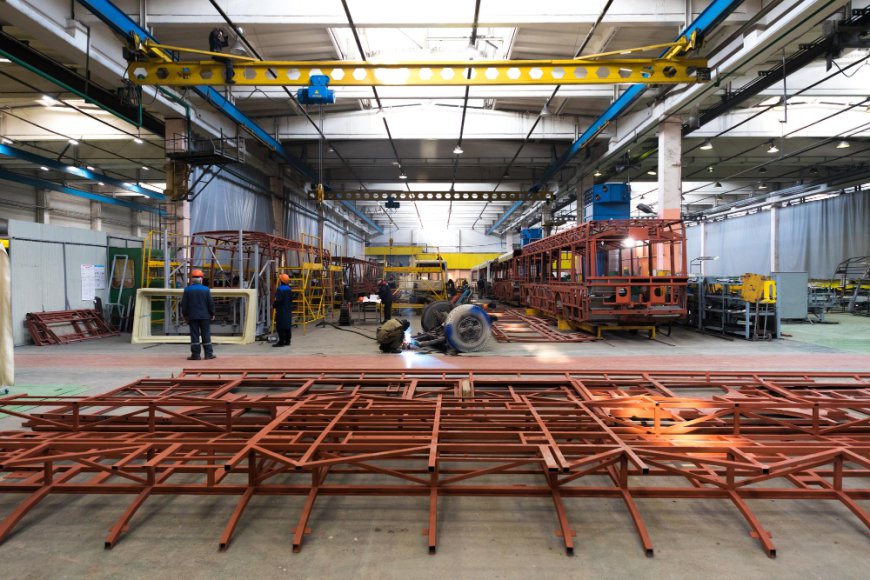
When you start a construction project, choosing steel can feel surprisingly complicated. You might know you need “structural steel,” but that doesn't tell you whether you need RHS, SHS, UB, UC, PFC, angles, purlins or another product.
That's why understanding the basics before you order can save you time, money and a few unnecessary trips back to the supplier.
If you're comparing brisbane steel sales providers, the smartest approach is to start with your project's requirements rather than choosing a product based on appearance or price alone.
Start With Your Project, Not the Steel
Before you contact steel suppliers Brisbane, ask yourself:
- What are you building?
- Is the steel structural or for general fabrication?
- What loads will it carry?
- What sizes are specified?
- Do you need full lengths or cut-to-size sections?
- Will you collect the order or need delivery?
For structural work, your engineering drawings and specifications should take priority. The Australian Steel Institute notes that structural steel design and material standards establish requirements for steel properties, tolerances and quality.
In other words, don't choose a beam because it “looks strong.” Steel isn't a fashion contest.
RHS and SHS for Frames and Supports
Rectangular Hollow Section (RHS) and Square Hollow Section (SHS) are common choices for frames, posts, supports and fabrication.
RHS has a rectangular profile, while SHS has equal sides.
You might use them for:
- Structural frames
- Posts
- Gates
- Supports
- Sheds
- General fabrication
Their enclosed profiles can provide a clean appearance while offering useful structural characteristics.
If you're sourcing steel supplies Brisbane Northside, these are worth discussing with your supplier when your project involves framing or fabricated structures.
Universal Beams for Structural Spans
Universal Beams (UB) are commonly used when you need a structural member to span between supports.
You may encounter them in:
- Residential extensions
- Floor structures
- Roof systems
- Commercial buildings
- Industrial projects
The correct size isn't something you should guess. Span, load, support conditions and other engineering factors all influence the required section.
Universal Columns for Vertical Support
Universal Columns (UC) are commonly associated with vertical structural support.
They can form part of:
- Building frames
- Commercial structures
- Industrial buildings
- Large sheds
- Structural support systems
Although UB and UC sections look similar, they're not interchangeable by default. Their dimensions and structural properties differ, so follow the engineering specification for your project.
PFC for Structural and Fabrication Applications
Parallel Flange Channel (PFC) has a channel-shaped profile and can be used for various structural and fabrication applications.
Depending on the project, PFC may be used for:
- Frames
- Supports
- Structural members
- Brackets
- Fabricated assemblies
Your project drawings should determine the required size and grade.
Angles for Supports and Fabrication
Steel angles are available in equal and unequal configurations.
Equal Angle
Both legs have the same dimensions.
Common applications can include:
- Frames
- Brackets
- Supports
- Fabrication
Unequal Angle
The legs have different dimensions, which can be useful when the project requires different proportions.
The difference may look minor, but the section geometry matters when you're working from engineering specifications.
Purlins for Roofing Systems
If you're working on a shed, warehouse or similar structure, steel purlins may be part of your project.
Purlins provide support within roof and wall systems and are commonly used in industrial, agricultural and commercial structures.
The appropriate purlin depends on the building design, span and structural requirements.
Steel Sheets for Construction and Fabrication
Steel sheets have a wide range of potential applications.
You might use them for:
- Fabrication
- Panels
- Building applications
- Protective surfaces
- General construction
When ordering steel sheets, consider thickness, dimensions, finish and intended application.
Simply asking for “a steel sheet” isn't quite enough. It's a bit like ordering a pizza and saying, “Just make it food.”
Bars, Pipes and Other Steel Products
Your project may also require smaller or more specialised products.
Round Bar
Used in fabrication and applications requiring a solid circular section.
Square Bar
Useful for fabrication, frames and various general applications.
Pipe Steel
Light, medium and heavy pipe options can serve different project requirements.
Deformed Bar
Commonly associated with reinforced concrete applications.
Galvanised Mesh
Often used for fencing, barriers and various construction or outdoor applications.
Star Pickets and Steel Fence Posts
Common choices for fencing and property projects.
The key point is that steel products aren't interchangeable. Each has characteristics that make it suitable for particular applications.
Don't Forget Steel Posts and House Stumps
Residential construction can require steel posts, beams and house stumps, depending on the building design.
These components can form part of structural support systems, but their dimensions and specifications need to match the engineering requirements.
If you're renovating or extending a home, don't assume that a readily available section is automatically suitable just because it fits physically.
Cut-to-Size Steel Can Make Ordering Easier
One useful service to ask about when comparing steel suppliers Brisbane is cut-to-size steel.
Instead of ordering long lengths and cutting everything yourself on site, you may be able to have sections prepared to your required measurements.
This can potentially:
- Reduce site preparation
- Save cutting time
- Make handling easier
- Reduce unnecessary material waste
It can be particularly useful when your project has multiple different lengths.
What Should You Ask Your Steel Supplier?
Before placing your order, have these details ready:
1. Product type
Know whether you need RHS, SHS, UB, UC, PFC, angle, sheet or another product.
2. Size
Use the dimensions specified in your plans.
3. Grade
Confirm the required steel grade.
4. Quantity
Know how many lengths or sheets you need.
5. Cutting requirements
Ask about cut-to-size services.
6. Delivery or pickup
Consider how you'll safely transport and unload the steel.
7. Availability
Confirm that the required sizes are available before scheduling your work.
Choosing Steel in Brisbane
When you're comparing brisbane steel sales, product range is only one consideration.
You also need to think about:
- Cutting services
- Delivery
- Pickup
- Product availability
- Technical information
- Customer support
- Project requirements
For customers searching for steel supplies Brisbane Northside, a local supplier can make the process more convenient when you need to collect materials, arrange delivery or discuss your order.
What Is the Current Trend?
One clear direction in construction is greater emphasis on planning and material efficiency.
Instead of ordering excessive quantities and figuring things out on site, builders are increasingly working from detailed drawings, measurements and specifications.
That makes sense. Material waste costs money, and incorrect steel can create much bigger problems than simply having a few leftover pieces.
The Australian Steel Institute also provides guidance around structural steel standards, material properties and design, reinforcing the importance of selecting products according to documented requirements rather than guesswork.
Final Thoughts
You don't need to become a structural engineer to understand the basics of steel products. But you do need to know what your project requires before you order.
RHS and SHS can suit hollow-section applications, UB and UC serve important structural roles, PFC and angles have their own applications, while sheets, bars, purlins, pipes and fencing products cover many other construction needs.
My understanding is necessarily limited because every project has different loads, dimensions, site conditions and engineering requirements. For structural applications, your drawings and qualified professionals should always guide the final product selection.
In the future, more precise digital planning and improved supply services may make it even easier for you to order steel in the exact products, quantities and lengths required. For now, the simplest rule still works: know what you're building, follow the specification, and speak with your steel supplier before placing the order.