Who Is a Good Candidate for Female Hair Transplants?
 Dynamicclinic
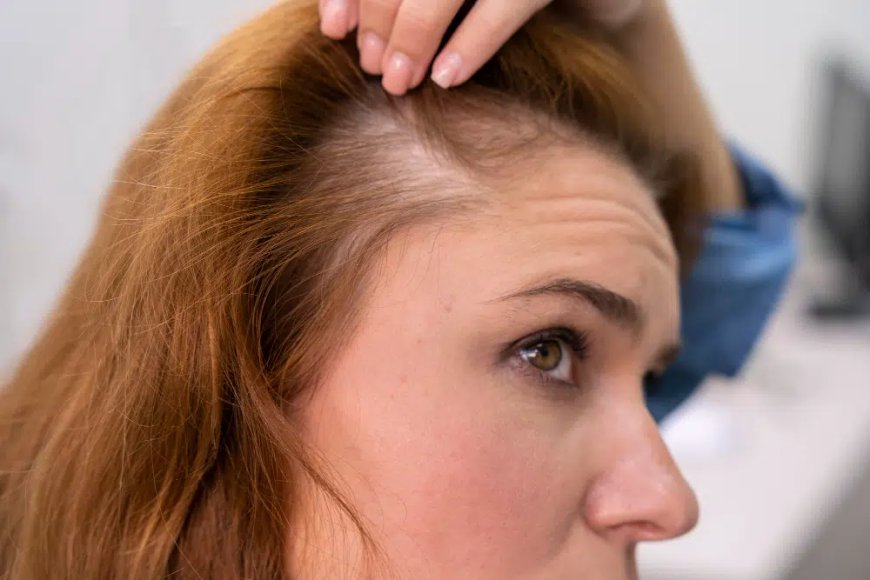
Hair loss is often associated with men, but millions of women also experience thinning hair, widening part lines, and reduced hair density. These changes can affect confidence and make everyday styling more difficult. While various treatments may help slow hair loss, some women seek a more lasting solution. For individuals looking to restore fuller and healthier-looking hair, Female Hair Transplants in Dubai have become an increasingly popular option. However, understanding whether you are a suitable candidate is an important step before considering the procedure.
Understanding Female Hair Transplants
Female hair transplantation is designed to move healthy hair follicles from one area of the scalp to another where hair growth has become thin or sparse. The transplanted follicles continue to grow naturally, helping create a fuller appearance over time.
Why Women Consider Hair Restoration
Hair loss can happen for many reasons, and every woman’s experience is different. Some women notice gradual thinning over the years, while others experience hair loss after hormonal changes, stress, or certain hairstyling habits. A transplant may be considered when hair loss becomes persistent and affects overall hair volume.
Key Qualities of a Good Candidate
Not every woman experiencing hair loss is automatically eligible for a hair transplant. Certain characteristics can increase the likelihood of successful and natural-looking results.
Stable Hair Loss
One of the most important factors is having a stable pattern of hair loss. When hair loss is no longer progressing rapidly, it becomes easier to identify the areas that would benefit most from transplantation.
Healthy Donor Hair
The procedure relies on healthy hair follicles taken from donor areas of the scalp. Women with strong hair growth in these areas often make excellent candidates because there are enough follicles available for transplantation.
Many women who are exploring their options turn to trusted sources such as Dynamic Life Clinic in Dubai to learn more about hair restoration procedures and determine whether they may be suitable candidates.
Women With Genetic Hair Loss
Can Hereditary Hair Thinning Be Treated?
Genetic hair loss is one of the most common reasons women seek hair transplantation. Although hereditary thinning may affect different areas of the scalp, many women still retain healthy donor hair that can be used to improve overall density.
Benefits for Pattern Hair Loss
Women with hereditary thinning may experience:
-
Fuller-looking hair
-
Better scalp coverage
-
Improved hairline appearance
-
Enhanced confidence in daily styling
Candidates With Hairline Recession
Hairline recession is not limited to men. Some women notice that their hairline gradually shifts backward or becomes uneven over time.
Restoring a Natural Hairline
A hair transplant can help reshape and restore the hairline by placing healthy follicles in carefully planned locations. This creates a more balanced appearance while maintaining natural growth patterns.
Women Experiencing Traction Hair Loss
What Is Traction Hair Loss?
Traction hair loss occurs when hair follicles are repeatedly exposed to tension from tight hairstyles such as braids, ponytails, buns, or extensions. Over time, the affected follicles may become damaged.
When a Transplant May Help
If the damage is permanent and the condition has stabilized, transplantation may help restore hair growth in the affected areas and improve overall coverage.
Hair Transplants for Scar-Related Hair Loss
Some women experience hair loss due to scars from injuries, burns, or previous procedures. These areas often lack normal hair growth and can be difficult to conceal.
Improving Coverage Around Scars
In suitable cases, healthy follicles can be transplanted into scarred areas to help improve coverage and create a more uniform appearance.
Factors That May Affect Eligibility
Ongoing Hair Loss Conditions
Women with active hair loss conditions may require additional evaluation before proceeding with transplantation. Stabilizing the condition first can contribute to better long-term outcomes.
Limited Donor Supply
The quality and quantity of donor hair play a major role in determining candidacy. A limited donor area may affect the extent of restoration that can be achieved.
Realistic Expectations
Understanding the potential outcome is essential. While hair transplantation can provide noticeable improvements, realistic expectations help ensure satisfaction with the results.
The Importance of a Personalized Assessment
Every woman has unique hair characteristics and restoration goals. A detailed assessment helps evaluate scalp health, donor hair quality, and the pattern of hair loss before a treatment plan is created.
Common Areas Evaluated
-
Hair density
-
Scalp condition
-
Hair loss history
-
Donor hair strength
-
Desired treatment goals
This individualized approach helps create results that complement a woman’s natural hair growth pattern.
Final Thoughts
Female hair transplantation can be a highly effective option for women experiencing stable hair loss, thinning hair, hairline recession, or hair loss related to scarring. The best candidates typically have healthy donor hair, realistic expectations, and a clear understanding of their treatment goals. Since every case is different, a professional assessment remains an important step in determining suitability.For women seeking a long-term solution to thinning hair, Female Hair Transplants can help improve hair density, restore confidence, and support a more natural and balanced appearance.