Why You’re Experiencing Loose Stools Every Morning and What It Means
Digestive health plays a critical role in overall well-being. While occasional diarrhea is common, having loose or watery stools every morning can be frustrating and concerning.
 johnkay1998123
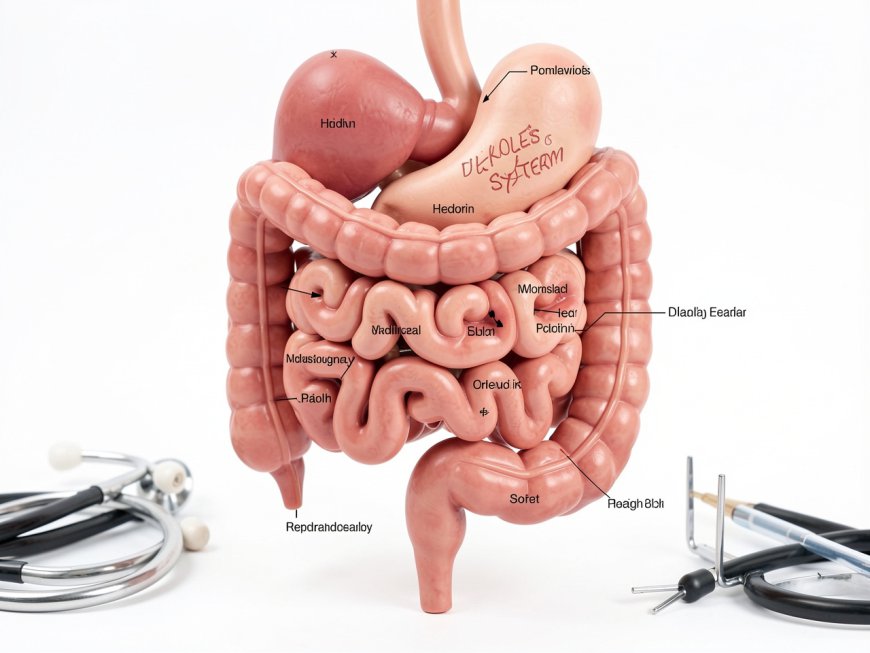
Digestive health plays a critical role in overall well-being. While occasional diarrhea is common, having loose or watery stools every morning can be frustrating and concerning. Many people delay seeking care, assuming it’s related to diet, stress, or a temporary imbalance. However, persistent morning bowel changes may signal an underlying gastrointestinal condition that deserves proper evaluation.
In the United States, digestive diseases affect an estimated 60 to 70 million people annually, according to the National Institute of Diabetes and Digestive and Kidney Diseases (NIDDK). Diarrhea alone accounts for millions of outpatient visits each year. Understanding why this pattern occurs specifically in the morning can help you identify potential causes and seek appropriate medical attention when necessary.
This comprehensive guide explains the most common reasons for recurring morning diarrhea, associated symptoms, risk factors, diagnostic approaches, and when urgent care may be necessary.
Why Symptoms Often Happen in the Morning
The body follows a natural circadian rhythm that influences digestion. Several physiological processes occur upon waking:
-
The colon becomes more active in the morning.
-
The gastrocolic reflex is stimulated after waking and especially after breakfast.
-
Hormone levels, including cortisol, rise and can affect bowel motility.
For individuals with sensitive digestive systems, these normal processes can trigger urgency and loose stools soon after waking.
Common Causes of Recurring Morning Diarrhea
1. Irritable Bowel Syndrome (IBS)
IBS is one of the most common causes of chronic diarrhea in the United States. The American College of Gastroenterology estimates that IBS affects 10–15% of the U.S. population.
IBS-D (diarrhea-predominant IBS) often presents with:
-
Abdominal cramping relieved after a bowel movement
-
Urgency
-
Increased bowel frequency
-
Bloating
-
Mucus in stool
Symptoms frequently occur in the morning due to heightened bowel activity after waking.
2. Inflammatory Bowel Disease (IBD)
Inflammatory bowel disease includes Crohn’s disease and ulcerative colitis. These chronic autoimmune conditions cause intestinal inflammation and may lead to:
-
Persistent diarrhea
-
Blood in stool
-
Weight loss
-
Fatigue
-
Abdominal pain
Unlike IBS, IBD involves structural inflammation of the digestive tract and can lead to complications if untreated.
3. Food Intolerances
Certain food sensitivities can trigger early-day symptoms, especially if the triggering food is consumed at breakfast. Common intolerances include:
-
Lactose intolerance
-
Gluten sensitivity
-
Fructose malabsorption
-
Artificial sweeteners (such as sorbitol)
Approximately 36% of Americans have some degree of lactose malabsorption. Symptoms often appear within hours of ingestion and may cluster in the morning.
4. Bile Acid Malabsorption
Bile acids help digest fats. When not properly reabsorbed in the small intestine, excess bile acids enter the colon, stimulating water secretion and causing diarrhea.
Bile acid diarrhea is estimated to affect up to 1 in 100 people and is often misdiagnosed as IBS-D.
5. Chronic Infections
Persistent bacterial, viral, or parasitic infections can cause ongoing loose stools. Risk factors include:
-
Recent travel
-
Contaminated food or water
-
Weakened immune system
-
Recent antibiotic use (risk of Clostridioides difficile infection)
C. difficile infections account for nearly 500,000 cases annually in the U.S., particularly after antibiotic exposure.
6. Stress and Anxiety
The gut and brain are closely connected through the gut-brain axis. Emotional stress increases intestinal motility and sensitivity.
People with chronic anxiety disorders may experience:
-
Morning urgency
-
Loose stools before work or stressful events
-
Abdominal discomfort triggered by stress
The surge of cortisol upon waking can amplify these symptoms.
7. Caffeine and Morning Habits
Caffeine stimulates colonic contractions. Drinking coffee immediately after waking can intensify bowel activity. For individuals prone to gastrointestinal sensitivity, coffee may worsen diarrhea.
Other contributing factors include:
-
Nicotine
-
High-fat breakfasts
-
Large meals after overnight fasting
8. Endocrine and Metabolic Disorders
Hormonal imbalances can affect digestion. Conditions that may cause chronic diarrhea include:
-
Hyperthyroidism
-
Diabetes-related autonomic neuropathy
-
Adrenal disorders
An overactive thyroid accelerates metabolism, often leading to frequent bowel movements.
When It Becomes a Concern
Occasional loose stools are typically not dangerous. However, medical evaluation is recommended if symptoms persist longer than two weeks or are accompanied by:
-
Blood in stool
-
Black or tarry stools
-
Unintentional weight loss
-
Severe abdominal pain
-
Fever above 101°F
-
Dehydration
-
Persistent nausea or vomiting
Chronic diarrhea can lead to dehydration, electrolyte imbalance, and nutrient deficiencies if not treated.
A Mid-Article Patient Scenario
Many patients describe their concern by saying, every morning i have diarrhea, and they are unsure whether it’s something minor or a sign of a bigger issue. In clinical settings, this consistent timing helps healthcare providers narrow down likely causes, particularly functional disorders like IBS versus inflammatory or infectious conditions.
How Doctors Diagnose Persistent Diarrhea
Diagnosis begins with a detailed medical history and physical examination. Healthcare providers may ask about:
-
Stool frequency and consistency
-
Diet patterns
-
Travel history
-
Medication use
-
Family history of digestive conditions
Diagnostic Testing May Include:
-
Blood tests to check for inflammation, anemia, or thyroid disorders
-
Stool analysis to detect infection or blood
-
Colonoscopy to assess for IBD or structural abnormalities
-
Imaging studies such as CT scans in severe cases
-
Celiac disease screening
In the U.S., colonoscopies are widely used to evaluate chronic bowel changes, particularly in adults over age 45 or those with risk factors for colorectal cancer.
Treatment Options Based on Cause
Treatment varies depending on the diagnosis.
For IBS:
-
Low-FODMAP diet
-
Fiber supplementation
-
Antispasmodic medications
-
Stress management
-
Probiotics
For IBD:
-
Anti-inflammatory medications
-
Immunosuppressants
-
Biologic therapy
-
Nutritional support
For Infections:
-
Targeted antibiotics or antiparasitic medications
-
Hydration therapy
For Food Intolerances:
-
Elimination diet
-
Enzyme replacement (lactase supplements)
For Bile Acid Malabsorption:
-
Bile acid sequestrants
Early diagnosis significantly improves outcomes and quality of life.
Preventive Steps and Lifestyle Modifications
Certain adjustments may reduce morning symptoms:
-
Avoid caffeine on an empty stomach
-
Eat smaller, balanced meals
-
Identify and eliminate trigger foods
-
Increase soluble fiber intake
-
Stay hydrated
-
Practice stress reduction techniques such as mindfulness or regular exercise
Keeping a food and symptom diary can help identify patterns.
Risks of Ignoring Persistent Symptoms
Chronic diarrhea should not be dismissed. According to the Centers for Disease Control and Prevention (CDC), dehydration remains a leading complication of ongoing gastrointestinal illness. Repeated fluid loss can result in:
-
Weakness
-
Dizziness
-
Rapid heart rate
-
Low blood pressure
-
Kidney strain
In older adults and individuals with underlying conditions, complications can develop more quickly.
When to Seek Emergency Medical Care
Immediate medical evaluation is necessary if symptoms include:
-
Severe abdominal pain
-
Signs of dehydration
-
Confusion
-
Persistent vomiting
-
Bloody diarrhea
Emergency departments and urgent care facilities are equipped to perform lab testing, imaging, and provide IV fluids when required. Prompt intervention helps prevent serious complications.
How Digestive Health Affects Overall Wellness
The gut microbiome contains trillions of bacteria that influence immunity, metabolism, and even mental health. Ongoing bowel disturbances may signal microbial imbalance. Emerging research continues to explore how gut health impacts systemic inflammation and chronic disease risk.
Addressing digestive symptoms early helps preserve nutrient absorption and long-term gastrointestinal function.
Populations at Higher Risk
Certain groups may be more susceptible to chronic morning diarrhea:
-
Individuals with autoimmune disorders
-
People with recent gastrointestinal surgery
-
Those taking long-term antibiotics
-
Adults over age 60
-
Individuals with high-stress lifestyles
Recognizing risk factors enables earlier intervention.
Frequently Asked Questions
Is morning diarrhea always serious?
Not necessarily. Temporary episodes often relate to diet or stress. However, persistent or worsening symptoms require evaluation.
Can dehydration happen even if symptoms occur only once daily?
Yes. Even one large-volume loose stool daily can lead to fluid imbalance over time.
Does diet alone fix chronic diarrhea?
Diet changes help in some cases, but underlying conditions like IBD or thyroid disorders require medical treatment.
Final Thoughts
Recurring morning diarrhea can disrupt daily routines and cause understandable worry. While functional digestive conditions like IBS are common, persistent symptoms warrant proper assessment to rule out inflammatory, infectious, metabolic, or structural causes.
Timely evaluation, accurate diagnosis, and targeted treatment lead to better symptom control and improved quality of life. If symptoms are ongoing or severe, consulting a qualified healthcare provider ensures you receive the appropriate testing and care. Digestive health is central to overall wellness, and seeking medical attention when patterns change is a proactive step toward maintaining long-term health.