10 Common Beginner Mistakes When Forex Trading
Start your forex trading journey the right way by knowing common mistakes to avoid! Below are 10 mistakes you might already be making, best to correct them as soon as possible!
 raaaaachoh
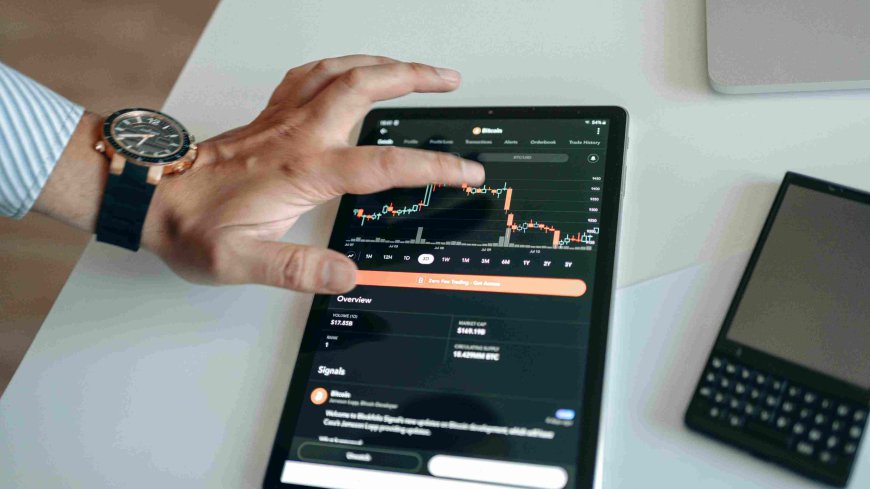
Getting started with forex trading online can feel exciting. The idea of trading global currencies from your laptop or phone sounds simple and full of opportunity. But for many beginners, the early stages are also filled with costly mistakes.
The truth is, most losses don’t happen because the market is “rigged” or impossible to understand. They happen because new traders make predictable, avoidable errors. If you’re just starting out, understanding these common pitfalls can save you money, time, and frustration.
Here are 10 of the most common beginner mistakes in forex trading online—and how to avoid them.
1. Trading Without a Clear Plan
One of the biggest mistakes beginners make is jumping into trades without a defined strategy. They see a chart moving, feel excited, and click “buy” or “sell” without knowing:
-
Why are they entering
-
Where they’ll exit
-
How much are they risking
A trading plan should include clear rules for entry, exit, position size, and risk management. Without it, you’re gambling—not trading.
2. Risking Too Much on a Single Trade
New traders often believe they need to take big risks to make meaningful profits. So they risk 10%, 20%, or even 50% of their account on one trade.
This is extremely dangerous.
Most experienced traders risk only 1–2% of their account per trade. This way, even a series of losses won’t wipe them out. In forex trading online, survival is the first goal. You can’t grow your account if you lose it early.
3. Overtrading
Because the forex market is open 24 hours a day during weekdays, beginners feel like they must always be in a trade.
This leads to:
-
Entering low-quality setups
-
Trading out of boredom
-
Taking revenge trades after losses
More trades do not mean more profit. In fact, overtrading often increases losses and emotional stress. Sometimes the best trade is no trade at all.
4. Ignoring Risk Management
Many beginners focus only on profit targets and forget about stop losses. They think, “The market will come back.”
Sometimes it doesn’t.
Risk management tools like stop-loss orders are essential in forex trading online. They limit how much you lose if a trade goes against you. Ignoring them can turn a small mistake into a devastating loss.
5. Letting Emotions Control Decisions
Fear and greed are powerful forces in trading.
-
Fear causes traders to close winning trades too early.
-
Greed causes traders to hold losing trades too long.
-
Anger leads to revenge trading.
Emotional decision-making is one of the fastest ways to damage a trading account. Successful traders rely on rules, not feelings.
6. Using Too Much Leverage
Leverage allows you to control a large position with a small amount of capital. While this can increase profits, it also magnifies losses.
For beginners in forex trading online, high leverage can be especially dangerous. A small market movement against your position can wipe out your account quickly.
It’s better to start with lower leverage and focus on consistency rather than fast gains.
7. Not Practising on a Demo Account
Many brokers offer demo accounts where you can trade using virtual money. However, some beginners skip this step and jump straight into live trading.
A demo account helps you:
-
Understand how the platform works
-
Practice placing trades
-
Test strategies without financial risk
Although demo trading doesn’t fully prepare you for real emotions in live markets, it’s still an essential training stage.
8. Chasing the Market
Beginners often enter trades late because they’re afraid of “missing out.” They see a strong move and jump in after the price has already travelled far.
This usually results in:
-
Entering at poor prices
-
Buying near the top
-
Selling near the bottom
Patience is critical in forex trading online. Wait for planned setups instead of chasing price movements.
9. Relying on Too Many Indicators
It’s common for new traders to load their charts with multiple indicators:
-
Moving averages
-
RSI
-
MACD
-
Bollinger Bands
-
Stochastic oscillators
While indicators can be helpful, too many of them create confusion. Charts become cluttered, and signals often conflict.
Simple strategies often work better. Focus on understanding price movement first before adding complex tools.
10. Expecting Quick Riches
One of the most damaging beliefs in forex trading online is the idea that you can get rich quickly with little effort.
Social media sometimes shows luxury lifestyles linked to trading success. But what you don’t see are:
-
Years of practice
-
Many early losses
-
Emotional discipline
-
Risk management experience
Trading is a skill that takes time to develop. Expecting instant success often leads to overconfidence and excessive risk-taking.
Bonus Mistake: Not Reviewing Your Trades
Many beginners never review their past trades. They move on without analysing what went right or wrong.
Keeping a trading journal helps you:
-
Identify patterns in your behaviour
-
Track mistakes
-
Improve decision-making
-
Build consistency
In forex trading online, self-awareness is a powerful advantage.
How to Avoid These Mistakes
If you want to improve your chances of success, focus on these principles:
-
Protect your capital first.
-
Use proper risk management.
-
Trade with a clear strategy.
-
Control your emotions.
-
Think long-term.
The goal isn’t to win every trade. The goal is to manage risk and stay consistent over time.
Final Thoughts
Forex trading online offers flexibility and opportunity, but it also requires discipline and patience. Most beginner losses are not caused by complex market forces—they’re caused by simple, avoidable mistakes.
By understanding these 10 common errors, you can avoid learning the hard way. Focus on steady improvement, manage your risk carefully, and treat trading as a skill to be developed—not a shortcut to fast money.
Success in forex trading online doesn’t come from perfection. It comes from consistency, discipline, and learning from every trade you take.