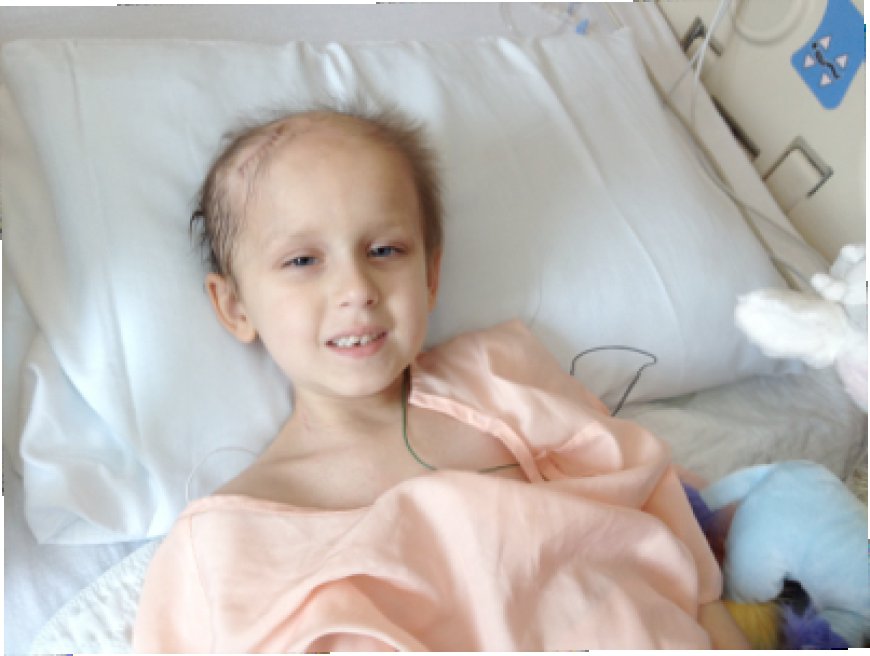
Congenital anomalies are conditions present at birth that can influence how a child develops physically and sometimes mentally. When discussing Congenital Anomalies in Dubai, many parents and caregivers are particularly concerned about how these conditions might affect a child’s overall growth. Understanding the connection between congenital anomalies and growth can help families take informed steps toward better health outcomes and long-term well-being.
Understanding Congenital Anomalies
What Are Congenital Anomalies?
Congenital anomalies, often referred to as birth defects, are structural or functional abnormalities that occur during fetal development. These can range from mild conditions that require little to no intervention to more complex disorders that need ongoing care.
They may affect different parts of the body, including:
- The heart
- Bones and muscles
- Nervous system
- Digestive system
Some anomalies are visible at birth, while others may only become apparent as the child grows.
Causes of Congenital Anomalies
The causes are not always clear, but common contributing factors include:
- Genetic mutations or inherited conditions
- Environmental exposures during pregnancy
- Nutritional deficiencies
- Infections during pregnancy
In many cases, it is a combination of factors rather than a single cause.
How Growth Is Defined in Children
Growth in children is measured in several ways:
- Height and weight
- Head circumference
- Developmental milestones
Normal growth follows predictable patterns, but congenital anomalies can sometimes disrupt these patterns, leading to delays or differences.
Can Congenital Anomalies Impact Physical Growth?
Direct Effects on Growth
Certain congenital anomalies directly affect physical growth. For example:
- Skeletal abnormalities can limit height or cause uneven growth
- Hormonal imbalances may slow down or accelerate growth
- Organ-related conditions can affect nutrient absorption
Children with these conditions may grow at a slower rate compared to their peers.
Nutritional Challenges
Some congenital anomalies, especially those affecting the digestive system, can interfere with proper nutrition. When the body cannot absorb nutrients effectively, it may lead to:
- Poor weight gain
- Delayed physical development
- Weak immune function
Proper nutrition plays a crucial role in supporting healthy growth, making early identification essential.
Developmental Growth and Cognitive Impact
Delayed Milestones
In addition to physical growth, congenital anomalies can also influence developmental milestones such as:
- Sitting, crawling, and walking
- Speech and language development
- Social interaction skills
Delays in these areas do not always occur but are possible depending on the type and severity of the condition.
Brain and Nervous System Involvement
When congenital anomalies affect the brain or nervous system, growth challenges may extend beyond physical aspects. These can include:
- Learning difficulties
- Behavioral challenges
- Coordination issues
Early developmental support can significantly improve outcomes.
Emotional and Social Growth
Growth is not just physical—it also includes emotional and social development. Children with congenital anomalies may face:
- Self-esteem challenges
- Difficulty participating in physical activities
- Social isolation
Supportive environments at home and school can help children build confidence and resilience.
Early Detection and Monitoring
Importance of Regular Checkups
Monitoring growth from an early stage is key. Regular assessments can help identify:
- Growth delays
- Nutritional deficiencies
- Developmental concerns
Tracking progress allows for timely interventions that can improve long-term outcomes.
Growth Charts and Assessments
Healthcare providers often use growth charts to compare a child’s development with standard benchmarks. If a child falls significantly below or above expected ranges, further evaluation may be recommended.
Managing Growth Challenges
Personalized Care Plans
Every child with congenital anomalies is unique. Management strategies depend on:
- The type of anomaly
- Severity of the condition
- Overall health of the child
A personalized approach ensures that growth and development are supported effectively.
Role of Nutrition and Therapy
Balanced nutrition and supportive therapies can make a significant difference. These may include:
- Nutritional planning
- Physical therapy
- Occupational therapy
- Speech therapy
Such interventions can help children reach their full potential.
Supporting Healthy Growth at Home
Parents and caregivers play a vital role in supporting growth. Some helpful steps include:
- Encouraging a balanced diet
- Promoting physical activity suited to the child’s abilities
- Providing emotional support and reassurance
- Monitoring developmental milestones
Creating a nurturing and understanding environment can positively influence a child’s growth journey.
Final Thoughts
Congenital anomalies can affect growth in various ways, from physical development to emotional well-being. However, with early detection, proper monitoring, and supportive care, many children can lead healthy and fulfilling lives. Understanding the potential challenges and taking proactive steps can make a meaningful difference in a child’s development and overall quality of life.

 Dynamicclinic123