Hand Coffee Grinder and Manual Coffee Grinder: Why a Portable Coffee Grinder Is a Smart Choice for Better Coffee
Proper cleaning also contributes to long-term performance
 pihu369
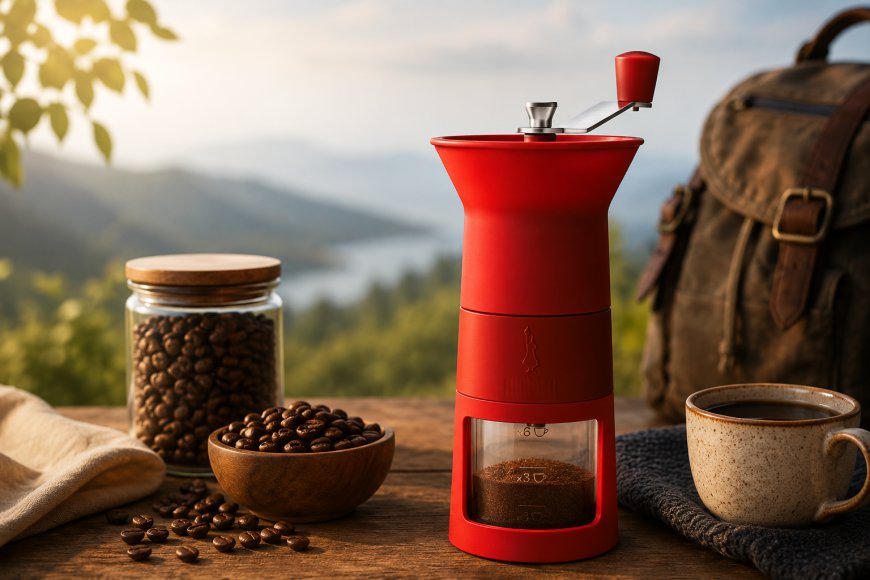
Freshly ground coffee plays an important role in achieving balanced flavor, rich aroma, and consistent extraction. Choosing the right grinder can make a noticeable difference whether you prepare espresso, pour over, French press, AeroPress, or cold brew at home or while traveling. A hand coffee grinder offers complete control over grind size without requiring electricity, making it a practical solution for coffee enthusiasts and beginners alike. A manual coffee grinder is valued for its precision, durability, and quiet operation, while a portable coffee grinder provides flexibility for outdoor brewing, office use, and travel. Understanding how these grinders work helps users prepare better coffee with confidence and consistency.
What is a hand coffee grinder?
A hand coffee grinder is a manually operated device designed to grind whole coffee beans using a rotating handle connected to burr grinding mechanisms. Unlike blade grinders that chop beans unevenly, burr grinders crush coffee beans into particles of similar size, resulting in more consistent extraction during brewing. Most models allow users to adjust grind settings from extra fine for espresso to coarse for French press and cold brew. Since there is no electric motor, grinding is quieter and generates less heat, helping preserve delicate coffee aromas and natural oils. High-quality stainless steel or ceramic burrs are commonly used because they maintain sharpness and deliver reliable performance over many years. Many home brewers choose manual grinding because it provides greater control over every cup.
Is a hand coffee grinder better than an electric coffee grinder?
Whether a hand coffee grinder is better than an electric model depends on brewing habits, budget, and daily coffee consumption. Manual grinders often produce excellent grind consistency using premium burr sets while remaining significantly more affordable than many high-end electric grinders. They are also compact, require very little maintenance, and operate without electricity, making them useful in locations where power is unavailable.
Electric grinders, however, are generally better suited for busy households, cafés, and offices where multiple cups are prepared throughout the day. They reduce physical effort and save time, especially when grinding large quantities of coffee. Manual grinders are ideal for preparing one or two servings with maximum control, while electric grinders provide convenience and speed. Coffee quality depends more on burr design, grind consistency, and proper brewing technique than on whether the grinder is powered by hand or electricity.
What are the benefits of using a hand coffee grinder?
The benefits of using a hand coffee grinder extend beyond portability and affordability. Manual grinding encourages careful preparation while producing coffee grounds that match the brewing method more accurately. Because users adjust the grind gradually, they gain a better understanding of how particle size influences extraction, body, acidity, and sweetness.
Some important advantages include the following:
-
Consistent grind size with quality burr mechanisms.
-
Quiet operation suitable for homes, offices, and early mornings.
-
No electricity or batteries required.
-
Lower purchase and maintenance costs compared with many electric grinders.
-
Compact construction for storage and transportation.
-
Better preservation of coffee aroma due to reduced heat during grinding.
Proper cleaning also contributes to long-term performance. Burrs should be brushed regularly to remove coffee residue, while deep cleaning should be performed according to the manufacturer's recommendations. Replacing worn burrs after extended use helps maintain grind consistency and brewing quality. For buyers comparing different brewing equipment, Coffeeworkz offers useful information about selecting grinders suited to various coffee preparation methods.
How does a manual coffee grinder work?
A manual coffee grinder operates through a straightforward mechanical process that converts whole coffee beans into evenly sized grounds. Coffee beans are placed inside the hopper at the top of the grinder. Turning the handle rotates the central shaft, causing the burrs to crush the beans gradually rather than slicing them randomly. The crushed coffee then falls into a collection chamber beneath the burr assembly.
The grind adjustment mechanism changes the distance between the burrs. Narrow spacing creates fine grounds suitable for espresso machines, while wider spacing produces coarse grounds for French press or cold brew. Consistent particle size improves water flow during brewing and reduces the risk of er-extraction, under-extraction, or over-extraction. Users often experiment with different settings until they find the grind size that matches their preferred brewing equipment, roast level, and taste preferences. Regular calibration and proper storage further improve long-term grinding performance.
What are the benefits of using a portable coffee grinder?
The benefits of using a portable coffee grinder make it an attractive option for people who enjoy freshly brewed coffee away from home. Compact dimensions allow it to fit easily into backpacks, travel bags, office drawers, or camping equipment without taking up much space. Many modern models are built with lightweight aluminum or stainless steel bodies that withstand frequent transportation.
A portable grinder provides flexibility for several situations:
-
Business travel and hotel stays.
-
Camping, hiking, and outdoor adventures.
-
Office coffee preparation.
-
Vacation rentals with limited kitchen equipment.
-
Small apartments where storage space is limited.
Despite their compact size, many portable grinders offer precise grind adjustments suitable for espresso, moka pot, pour-over, AeroPress, drip coffee, and French press brewing. Their durable construction and simple mechanical design reduce the likelihood of mechanical failure compared with complex electric appliances. For coffee enthusiasts who value freshness wherever they go, a portable grinder remains one of the most practical investments.
Conclusion
A hand coffee grinder, manual coffee grinder, and portable coffee grinder each provide practical advantages for preparing fresher, more flavorful coffee with greater consistency. Their burr grinding systems improve extraction by producing uniform particle sizes suited to different brewing methods. Manual operation eliminates the need for electricity while offering excellent control over grind adjustments and maintenance. Choosing the right grinder depends on brewing frequency, preferred coffee style, travel needs, and budget rather than convenience alone. Regular cleaning and proper grind calibration help maintain reliable performance over time. Whether brewing espresso at home or preparing pour-over coffee during travel, a quality manual grinder supports better flavor in every cup. Careful grinder selection remains one of the most valuable steps toward consistently excellent coffee.