Instant Itinerary Generator and Itinerary Generator India for AI-Based Smart Travel Automation and Trip Optimization Systems
AI-powered travel planning systems have significantly improved how trips are structured and executed across global destinations.
 siyagaur
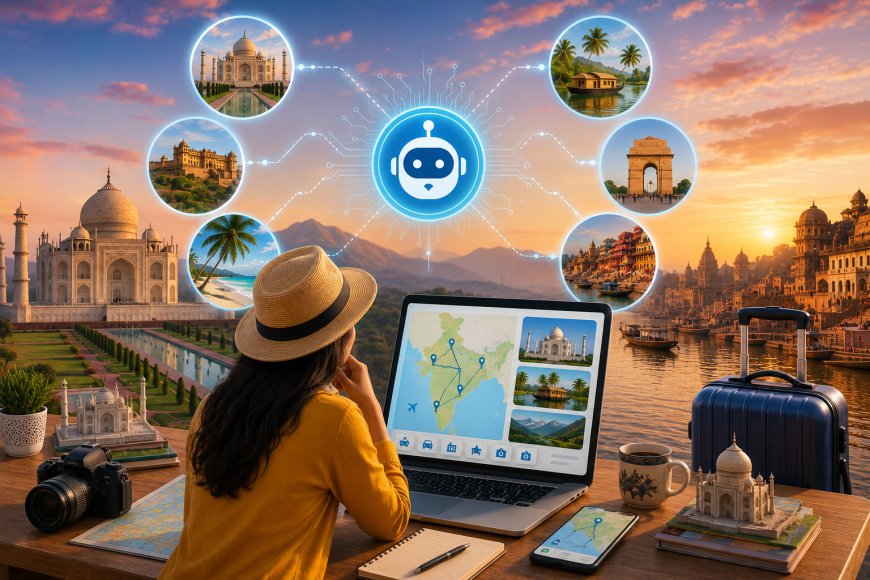
Travel planning has shifted from manual coordination to automated systems powered by artificial intelligence and real-time data processing. An instant itinerary generator helps travelers build structured trip plans within seconds by analyzing preferences, timing, and destination data. Similarly, an itinerary generator India is designed to manage the complexity of Indian travel networks, including long-distance routes, seasonal tourism patterns, and diverse transport systems. These AI tools improve accuracy in planning while reducing the time required for research and scheduling. They also support dynamic adjustments when travel conditions change unexpectedly. With AI integration, travel planning becomes more efficient, data-driven, and highly adaptable for different types of travelers.
How does an AI tour planner work?
An AI tour planner works by collecting structured user inputs such as destination, travel duration, budget, and travel interests. It then processes this data using machine learning models and geographic information systems to create an optimized travel sequence. An instant itinerary generator converts these insights into a day-wise schedule that balances travel time, activity duration, and rest periods. The system also uses external APIs to integrate real-time data like weather updates, traffic conditions, and seasonal travel trends. For India-specific planning, it evaluates intercity connectivity, railway networks, and domestic flight schedules. This ensures that the generated itinerary is not only efficient but also realistic and executable in real-world travel conditions.
Is there a free AI tour planner?
Yes, several AI travel planning platforms offer free versions that provide basic itinerary generation features. These tools allow users to select destinations, input travel dates, and receive simple day-wise travel plans. An itinerary generator India in free mode typically covers major tourist routes such as Golden Triangle circuits, Kerala backwaters, and Himachal hill stations. However, free versions often have limited customization, fewer optimization features, and restricted real-time updates. Paid versions usually unlock advanced AI capabilities such as predictive scheduling, budget optimization, and dynamic route adjustments. Free tools are useful for beginners and short trips, while advanced tools are better suited for complex travel planning needs.
Can an AI tour planner create personalized itineraries?
Yes, AI tour planners are specifically designed to create highly personalized travel experiences. An instant itinerary generator uses user-defined inputs such as travel style, interests, budget, and group size to design customized itineraries. It matches these inputs with destination databases to suggest relevant attractions, transport options, and activity timings. For example, a traveler interested in cultural tourism in India may receive recommendations for forts, temples, and heritage sites, while an adventure traveler may get trekking and outdoor activity routes. The system also adjusts pacing to ensure a balanced travel experience. This personalization improves travel satisfaction and ensures each itinerary aligns closely with user expectations.
How does a smart travel planner work?
A smart travel planner uses artificial intelligence, mapping systems, and real-time data integration to build optimized travel schedules. It gathers information about destinations, transportation options, hotel availability, and local attractions. An itinerary generator India uses optimization algorithms to sequence destinations in a logical order that reduces travel time and cost. It also considers real-world constraints such as train availability, flight timings, and road conditions. The system continuously updates plans when external factors change, ensuring that itineraries remain accurate and usable. Many smart planners also include predictive analytics that estimate peak travel hours and crowd density. This makes travel planning more reliable and efficient for users.
What features should a smart travel planner have?
A modern travel planner must include intelligent personalization, real-time updates, and flexible itinerary management. An effective instant itinerary generator should support multi-city planning with optimized routing to reduce unnecessary travel distance. Budget estimation tools are essential for helping travelers manage costs across accommodation, food, and transport. Integration with navigation systems ensures accurate route mapping and live guidance during travel. Offline access is important for travelers visiting remote areas with limited connectivity. The system should also provide accommodation recommendations based on price, ratings, and proximity to attractions. Additional features like travel alerts, seasonal insights, and local transport suggestions further enhance usability. These features collectively create a complete travel planning ecosystem.
Conclusion
AI-powered travel planning systems have significantly improved how trips are structured and executed across global destinations. An instant itinerary generator reduces manual effort by quickly creating optimized travel schedules based on user inputs and real-time data. The itinerary generator India model is especially effective for handling complex domestic travel networks, multi-city routes, and regional variations. These tools combine personalization, predictive analytics, and optimization algorithms to deliver practical and efficient itineraries. They also help travelers manage time, cost, and logistics more effectively during trips. As artificial intelligence continues to evolve, travel planning will become even more adaptive and precise. This allows travelers to rely on intelligent systems for smooth, well-structured, and personalized journeys anywhere in the world.