Is Long-Term Back Pain Relief Possible Without Surgery?
Back pain is not a single condition but a symptom with many possible causes. Understanding what triggers ongoing discomfort is the first step toward choosing the most suitable treatment approach.
 dynamic4
Living with persistent back discomfort can affect every aspect of daily life, from simple household tasks to work performance and physical activity. Many people exploring Back Pain Treatment in Dubai want to know whether lasting relief is possible without undergoing surgery. Fortunately, advances in conservative care, rehabilitation, and lifestyle management have made non-surgical options increasingly effective for many individuals experiencing chronic or recurring back pain.
While surgery may be necessary in certain severe cases, it is not the first recommendation for most people. Instead, healthcare professionals often focus on identifying the underlying cause of pain and creating personalized treatment plans that improve mobility, strengthen supporting muscles, and reduce inflammation over time.
Understanding the Causes of Long-Term Back Pain
Back pain is not a single condition but a symptom with many possible causes. Understanding what triggers ongoing discomfort is the first step toward choosing the most suitable treatment approach.
Common causes include:
- Muscle or ligament strain
- Poor posture during work or daily activities
- Herniated or bulging discs
- Degenerative disc disease
- Arthritis affecting the spine
- Sciatica
- Spinal stenosis
- Weak core muscles
- Sedentary lifestyles
- Previous injuries
Many of these conditions respond well to conservative care, particularly when treatment begins early and includes consistent rehabilitation.
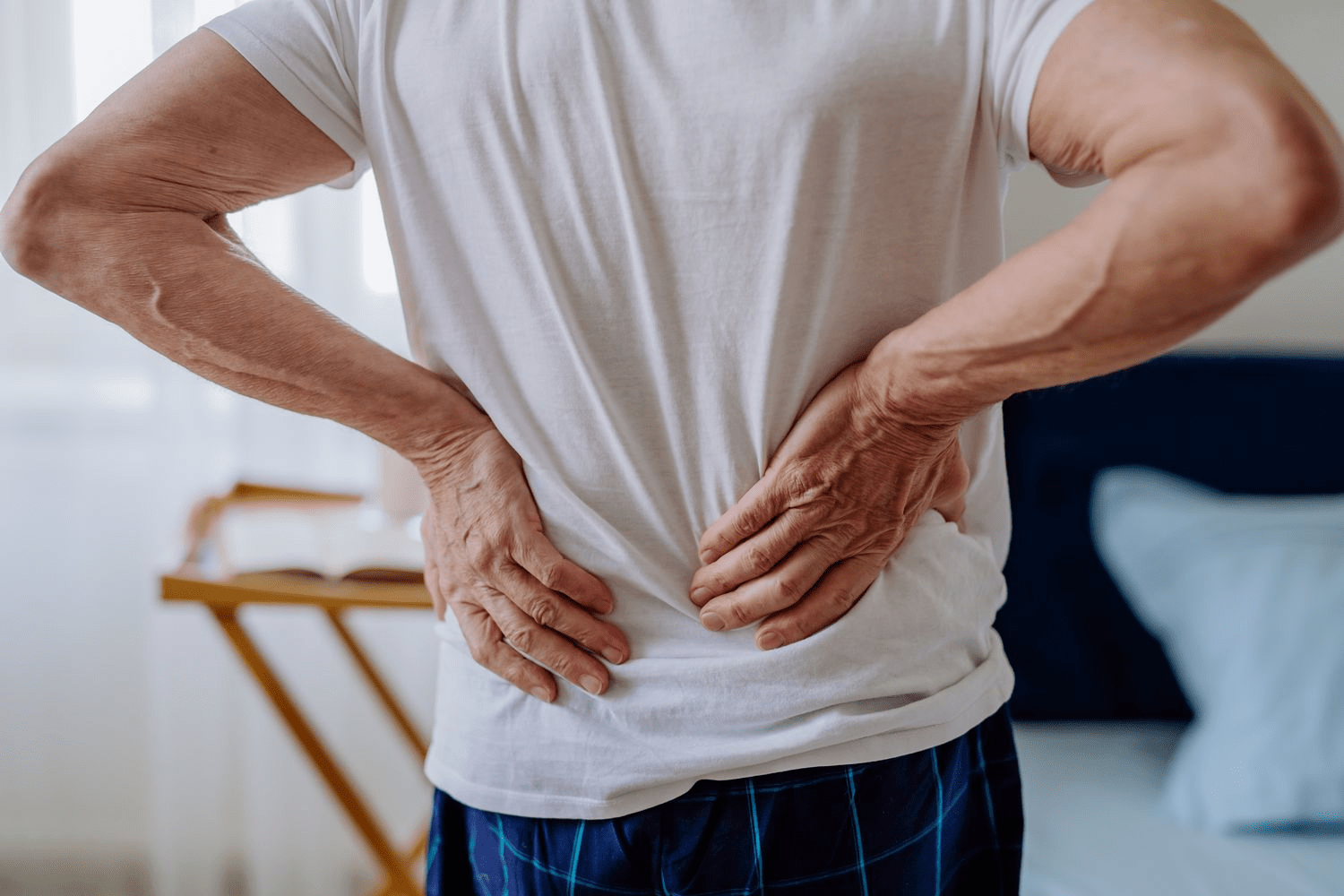
Why Surgery Is Not Always Necessary
Although surgery is sometimes essential for severe spinal instability or significant nerve compression, many patients improve without invasive procedures. The body has an impressive ability to heal when supported with appropriate therapies and healthy habits.
Non-surgical approaches focus on reducing pain while restoring movement and function. Rather than simply masking symptoms, these methods often address the factors contributing to recurring discomfort, including muscle weakness, limited flexibility, and poor movement patterns.
Individuals with chronic pain frequently experience gradual improvement through structured rehabilitation combined with long-term lifestyle adjustments.
Effective Non-Surgical Treatment Options
Several evidence-based treatments can help reduce chronic back pain while improving overall spinal health. Treatment plans are often customized according to the individual's symptoms, medical history, and activity level.
Common options include:
- Physical therapy
- Stretching programs
- Strengthening exercises
- Manual therapy
- Posture correction
- Heat and cold therapy
- Lifestyle modifications
- Weight management
- Ergonomic adjustments
- Guided rehabilitation
These approaches are often combined to provide more comprehensive and sustainable relief instead of relying on a single intervention.
The Importance of Exercise in Recovery
Regular movement is one of the most valuable components of conservative spine care. Contrary to popular belief, prolonged bed rest can actually delay recovery and weaken supporting muscles.
A structured exercise program usually includes:
- Core strengthening exercises
- Gentle stretching routines
- Low-impact aerobic activities
- Flexibility training
- Balance exercises
- Mobility drills
As muscles surrounding the spine become stronger, they provide better support, reducing excessive stress on spinal structures during everyday movements.
How Back Pain Treatment Supports Lasting Results
Successful long-term recovery often depends on combining several conservative therapies instead of relying on temporary pain relief alone. Back Pain Treatment programs usually focus on improving spinal function while helping patients develop healthier movement habits that prevent repeated injuries.
Personalized rehabilitation plans may gradually increase activity levels while correcting posture, strengthening weakened muscle groups, and improving flexibility. This comprehensive approach encourages natural healing while minimizing unnecessary strain on the back throughout daily activities.
Patients who actively participate in their rehabilitation often experience greater improvements because consistent exercise, education, and movement training work together to support long-term spinal health.
Lifestyle Changes That Make a Difference
Daily habits have a significant impact on spinal health. Small adjustments made consistently over time can greatly reduce the likelihood of recurring pain episodes.
Helpful lifestyle changes include:
- Maintaining a healthy body weight
- Sitting with proper posture
- Avoiding prolonged sitting
- Using supportive chairs
- Lifting objects correctly
- Staying physically active
- Sleeping on a supportive mattress
- Taking regular stretching breaks during work
- Wearing supportive footwear when appropriate
Even simple improvements in posture and movement mechanics can reduce unnecessary pressure on the spine throughout the day.
Benefits of Non-Surgical Back Pain Management
Choosing conservative treatment offers several advantages for suitable candidates. Many individuals appreciate being able to improve their condition without the recovery period associated with surgery.
Some key benefits include:
- Improved flexibility
- Better mobility
- Reduced muscle stiffness
- Stronger core muscles
- Enhanced posture
- Lower risk of future injuries
- Faster return to daily activities
- Improved quality of life
- Increased confidence during movement
- Long-term symptom management
These benefits often develop gradually as the body adapts to healthier movement patterns and stronger supporting muscles.
The Role of Posture in Preventing Recurring Pain
Poor posture places continuous stress on muscles, ligaments, and spinal discs. Whether sitting at a desk, driving, or using electronic devices, maintaining proper alignment can significantly reduce unnecessary strain.
Healthy posture habits include keeping the shoulders relaxed, maintaining the natural curve of the lower back, positioning computer screens at eye level, and avoiding prolonged periods in one position. Standing and stretching every hour encourages circulation while reducing muscle tension that builds throughout the day.
Learning proper body mechanics during everyday activities helps protect the spine from repetitive stress that may contribute to chronic discomfort.
Managing Expectations During Recovery
Long-term back pain rarely disappears overnight. Recovery is often gradual, requiring patience, consistency, and commitment to rehabilitation exercises.
Some individuals notice improvement within a few weeks, while others experience steady progress over several months depending on the underlying condition and overall health. Staying consistent with treatment recommendations usually produces better outcomes than seeking quick fixes that only provide temporary relief.
Setting realistic goals helps maintain motivation throughout the recovery process while allowing gradual improvements in strength, flexibility, and overall function.
When Should You Seek Professional Evaluation?
Although many cases improve with conservative care, certain symptoms require prompt medical assessment.
Seek professional evaluation if back pain is accompanied by:
- Severe weakness in the legs
- Loss of bladder or bowel control
- Persistent numbness
- Difficulty walking
- Pain following major trauma
- Unexplained weight loss
- Fever alongside back pain
- Symptoms that continue worsening despite treatment
Early evaluation allows appropriate treatment planning before symptoms become more severe or begin interfering significantly with daily life.
Conclusion
Long-term relief from back pain is often achievable without surgery when the underlying cause is properly identified and managed through personalized conservative care. Combining exercise, posture improvement, rehabilitation, healthy lifestyle habits, and consistent movement can help reduce discomfort while improving strength, flexibility, and overall spinal function. For many individuals, choosing Back Pain Treatment as part of a structured non-surgical plan provides an effective path toward lasting mobility, greater independence, and improved quality of life.