How Do Whiskey Makers Turn Grain Chemistry into Exceptional Flavor?
Discover how grain chemistry, fermentation, distillation, and oak aging work together to create premium whiskey with rich aroma, balanced flavor, remarkable complexity, and lasting character.
 shankardistillers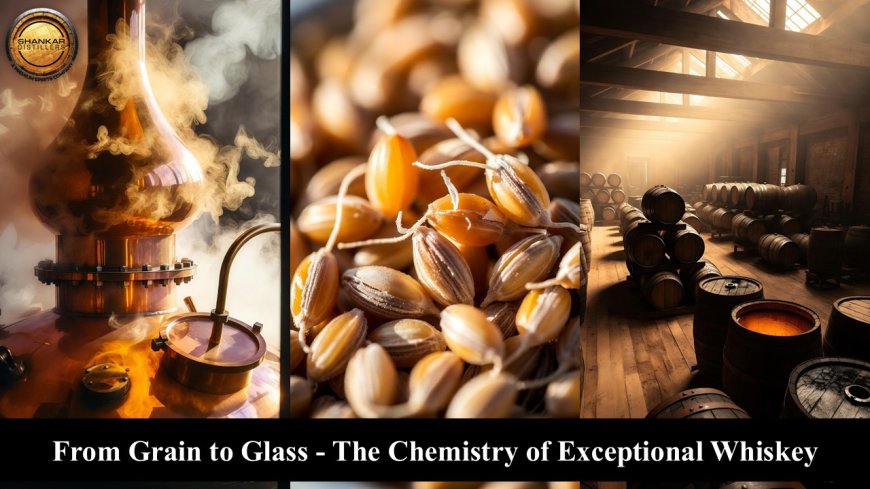
Whiskey makers transform grain chemistry into exceptional flavor by carefully controlling every stage of production—from selecting grains rich in starch, converting those starches into fermentable sugars during mashing, encouraging yeast to create desirable flavor compounds during fermentation, refining aromas through distillation, and developing complexity through oak barrel aging. The balance of science, craftsmanship, and quality control allows distillers to consistently produce whiskey with distinctive aromas, flavors, and character.
Introduction
Every exceptional whiskey begins long before it enters an oak barrel. The journey starts with grain chemistry, where naturally occurring starches, proteins, enzymes, and minerals lay the foundation for the final spirit. Every production stage influences the chemical reactions that shape aroma, taste, mouthfeel, and finish. By understanding how grains behave throughout the whiskey-making process, producers can consistently create spirits with remarkable depth and complexity.
Modern whiskey production combines centuries of craftsmanship with advances in food science and fermentation technology. Producers such as Shankar Distillers – Premium Whiskey Distillery apply scientific precision alongside traditional methods to maximize flavor development while preserving authenticity. The result is a whiskey that expresses both the quality of its ingredients and the expertise of those who produce it.
Understanding Grain Chemistry: The Foundation of Whiskey Flavor
Why Grain Selection Matters
The chemistry of whiskey begins with carefully selected grains. Each grain contributes a unique balance of starch, proteins, lipids, minerals, and natural flavor precursors. These components influence everything from fermentation efficiency to the aromas that emerge after aging.
Although all whiskey grains contain starch, each offers a distinct flavor profile.
- Corn contributes sweetness, caramel, honey, and creamy textures.
- Rye introduces spice, pepper, herbal complexity, and a dry finish.
- Barley supplies enzymes essential for starch conversion while adding biscuit, cereal, and nutty characteristics.
- Wheat often produces softer, smoother, and sweeter flavor profiles.
The interaction of these grains determines how flavor develops throughout production rather than relying on a single ingredient.
The Importance of Starch
Starch is the primary chemical component responsible for alcohol production. However, yeast cannot directly ferment starch. During mashing, enzymes naturally present in malted grains convert starch into fermentable sugars such as glucose, maltose, and maltotriose.
Efficient starch conversion directly influences alcohol yield while also creating compounds that later contribute fruity, floral, spicy, and malty aromas.
Proteins and Amino Acids
Proteins are equally valuable because they break down into amino acids during processing. These amino acids become nutrients for yeast and act as building blocks for numerous aroma compounds.
Well-balanced protein content supports healthy fermentation and encourages the development of esters, higher alcohols, and other desirable flavor molecules that increase whiskey complexity.
Natural Enzymes Drive Flavor Creation
Malted barley contains enzymes such as alpha-amylase and beta-amylase that perform the essential task of breaking starch into fermentable sugars.
Temperature control during mashing is critical because enzymes operate most effectively within specific temperature ranges. Excessive heat can deactivate enzymes, while insufficient heat reduces starch conversion efficiency.
Maintaining optimal mash conditions ensures consistent sugar production and ultimately contributes to predictable flavor development.
How Mashing, Fermentation, and Yeast Unlock Flavor Compounds
Mashing: The Beginning of Flavor Development
Mashing is far more than preparing grains for fermentation. It is the first major stage where chemistry actively shapes flavor.
Ground grains are combined with carefully heated water, allowing enzymes to convert starches into fermentable sugars. During this process, proteins, minerals, and other compounds dissolve into the liquid, creating nutrient-rich wort.
Precise temperature management affects both sugar composition and mouthfeel. Different temperature ranges encourage enzymes to produce varying proportions of fermentable and non-fermentable sugars, subtly influencing body and flavor.
Fermentation Creates Hundreds of Flavor Molecules
After mashing, yeast transforms sugars into alcohol and carbon dioxide. More importantly, fermentation generates hundreds of additional flavor compounds that define the spirit's personality.
These include:
- Fruity esters
- Floral aromatic compounds
- Spicy phenolics
- Organic acids
- Higher alcohols
- Aldehydes
- Trace sulfur compounds
The exact balance depends on fermentation time, yeast strain, temperature, oxygen availability, and nutrient composition.
Even small adjustments can significantly change the final aroma profile.
Yeast: The Hidden Flavor Architect
Yeast performs much more than alcohol production. Each strain possesses unique metabolic characteristics that influence flavor creation.
Some strains emphasize tropical fruit notes, while others produce apple, pear, citrus, floral, or subtle spice characteristics. Fermentation conditions determine how strongly these flavors develop and how they integrate into the spirit.
Healthy yeast management ensures consistent fermentation performance while minimizing unwanted off-flavors.
Temperature Influences Flavor Chemistry
Fermentation temperature has a profound impact on whiskey character.
Cooler fermentations generally promote cleaner, fruit-forward aromas, while warmer fermentations increase ester formation and create richer, more robust flavor profiles.
Master distillers continuously monitor temperature to achieve the desired balance between efficiency and flavor complexity.
Building Flavor Before Distillation
By the end of fermentation, the wash already contains hundreds of aromatic compounds that extend far beyond alcohol itself. These compounds become the raw material that distillation will later refine into a balanced spirit.
Consumers seeking to experience how grain chemistry ultimately expresses itself in a finished whiskey often explore products such as Premium Straight Rye Whiskey or Premium Straight Bourbon Whiskey, where the careful balance of grain selection, fermentation, and maturation contributes to distinctive aroma and flavor.
The Role of Distillation in Refining Aroma and Character
Distillation Concentrates the Best Flavor Compounds
Once fermentation is complete, the wash contains alcohol along with hundreds of flavor-active compounds. Distillation is the process that separates and concentrates these desirable compounds while removing unwanted elements. Rather than creating flavor from scratch, distillation refines the character already developed during mashing and fermentation.
As the fermented wash is heated, different compounds vaporize at different temperatures. Distillers carefully monitor these changes to capture the right balance of alcohol, esters, aldehydes, and aromatic oils that contribute to the whiskey's final profile. The goal is not simply to increase alcohol content but to preserve the spirit's complexity and individuality.
The Importance of Making Precise Cuts
One of the most critical responsibilities of a master distiller is deciding where to make the "cuts" during distillation.
Heads
The first portion of the distillate, commonly called the heads, contains highly volatile compounds. These may contribute harsh aromas or undesirable characteristics and are generally separated from the final spirit.
Hearts
The heart cut represents the highest-quality portion of the distillate. It contains the balanced combination of alcohol and flavor compounds that will eventually mature into premium whiskey. Selecting the heart cut at precisely the right moment requires extensive knowledge, sensory evaluation, and consistent monitoring.
Tails
As distillation continues, heavier compounds begin to appear. While some contribute depth and texture, excessive amounts can create overly oily or bitter characteristics. Master distillers determine how much of the tails should be retained to maintain complexity without compromising balance.
Copper Still Interaction
Copper plays an essential role during distillation by interacting with sulfur-containing compounds that may otherwise produce undesirable aromas. This natural chemical reaction helps create a cleaner, smoother spirit while allowing pleasant fruit, grain, and spice notes to become more prominent.
The shape, height, and design of the still also influence reflux, vapor flow, and condensation. These factors determine how much flavor is retained in the spirit, making still design an important component of whiskey production.
Balancing Purity and Character
Highly refined distillation produces a lighter spirit, while lower levels of refinement preserve more grain-derived flavor compounds. The ideal balance depends on the intended whiskey style and desired flavor profile.
Experienced distillers continually evaluate aroma, taste, and mouthfeel throughout distillation to ensure the spirit entering the barrel possesses the right foundation for maturation.
How Oak Barrel Aging Enhances and Transforms Flavor
Oak Becomes an Active Ingredient
Although whiskey leaves the still as a clear spirit, much of its recognizable color and complexity develops during barrel aging. Oak is far more than a storage vessel—it actively participates in hundreds of chemical reactions that gradually transform the spirit.
As whiskey expands into the wood during warm temperatures and contracts during cooler periods, it extracts naturally occurring compounds from the barrel. Over time, these interactions create greater richness, depth, and balance.
Natural Compounds Found in Oak
Oak contains several important compounds that shape whiskey flavor.
- Lignin contributes vanilla, gentle spice, and floral notes.
- Hemicellulose breaks down into sugars that develop caramel and toasted flavors.
- Oak tannins add structure, body, and a pleasant drying finish.
- Oak lactones introduce coconut, creamy wood, and subtle sweet aromas.
Together, these compounds create the familiar characteristics associated with well-aged whiskey.
The Influence of Char and Toast
Before use, whiskey barrels are toasted and charred. Heat alters the wood's chemical composition, creating new flavor compounds that are gradually extracted during maturation.
Light toast often enhances delicate sweetness, while deeper char levels contribute richer caramel, chocolate, roasted nuts, smoke, and baking spice characteristics.
The selected char level depends on the desired flavor profile and maturation objectives.
Oxidation and Maturation
Barrels are not completely airtight. Small amounts of oxygen slowly enter the wood, encouraging gentle oxidation that softens harsh alcohol notes and integrates flavor compounds over time.
Simultaneously, evaporation—often called the "angel's share"—concentrates remaining flavors, creating greater richness and complexity.
Months and years of gradual maturation transform a youthful spirit into a balanced whiskey with remarkable depth.
How Master Distillers Balance Science and Craftsmanship for Consistent Quality
Data Supports Traditional Expertise
Modern whiskey production combines analytical science with sensory expertise. Throughout production, distillers monitor grain quality, moisture levels, mash efficiency, fermentation progress, alcohol strength, temperature, and maturation conditions.
These measurements help maintain consistency while allowing experienced professionals to make informed production decisions.
Sensory Evaluation Remains Essential
Despite technological advances, human senses remain irreplaceable.
Master distillers regularly evaluate samples for aroma, flavor, mouthfeel, clarity, and finish. Even minor variations can be identified through careful tasting and corrected before they affect the final product.
This balance between laboratory analysis and sensory assessment ensures every batch meets high quality standards.
Consistency Across Every Batch
Consumers expect each bottle to deliver a familiar experience. Achieving this consistency requires careful control of every production stage, including:
- Grain sourcing
- Milling consistency
- Mash temperatures
- Fermentation timing
- Yeast performance
- Distillation cuts
- Barrel selection
- Warehouse aging conditions
By managing each variable with precision, producers maintain the distinctive characteristics of their whiskey while preserving product quality over time.
Experiencing Whiskey Beyond the Bottle
Understanding whiskey chemistry becomes even more meaningful when enthusiasts can observe production methods, maturation techniques, and guided tastings firsthand. Visitors interested in learning more can explore the Event and Tasting Room Michigan, where education and tasting experiences provide greater insight into how exceptional whiskey is crafted.
For private gatherings, celebrations, or corporate functions, an Event space for parties and celebrations offers an engaging environment to experience whiskey culture alongside expertly crafted spirits.
Frequently Asked Questions (AEO)
How does grain chemistry affect whiskey flavor?
Grain chemistry determines the amount of starch, proteins, enzymes, and natural compounds available for fermentation. These components directly influence sugar production, yeast activity, aroma development, and the overall flavor profile of the finished whiskey.
Why is yeast important in whiskey production?
Yeast converts fermentable sugars into alcohol while producing esters, organic acids, and numerous aromatic compounds that create fruity, floral, spicy, and complex flavor characteristics.
Does distillation create flavor?
Distillation primarily refines and concentrates flavors that develop during fermentation. It removes unwanted compounds while preserving desirable aromas and alcohol for maturation.
Why are oak barrels essential?
Oak barrels contribute vanilla, caramel, spice, toasted wood, and tannin characteristics while allowing slow oxidation that softens the spirit and creates greater complexity over time.
What makes whiskey flavor consistent?
Consistent flavor results from precise control over grain selection, mashing, fermentation, yeast management, distillation, barrel maturation, and rigorous quality evaluation throughout production.
Overall Conclusion
Exceptional whiskey is the result of countless chemical interactions guided by skilled craftsmanship. From carefully selected grains and enzyme-driven starch conversion to yeast metabolism, precise distillation, and years of oak maturation, every stage contributes to the final balance of aroma, taste, texture, and finish. Rather than relying on a single process, whiskey makers achieve excellence by understanding how each production step influences the next.
As both science and tradition continue to evolve, the most respected producers remain committed to quality, consistency, and innovation. Shankar Distillers – one of the Premium whiskey distillers in the USA demonstrates this commitment by combining technical expertise with time-honored whiskey-making practices to craft premium spirits that showcase the remarkable journey from grain chemistry to exceptional flavor.
Useful Links