A Complete Guide to Protecting Your Timber Home Year After Year
 julialubey
Timber homes have a character you just don't get with regular houses. They feel warm, solid, and built with purpose. But here's the thing a lot of owners find out a little too late. Timber doesn't take care of itself. It needs attention every year if you want it to stay strong and look good for decades. If you've ever searched for log cabin contractors near me Winchester Virginia, chances are you've already realized maintenance isn't something you can put off forever. The good news is that most problems start small, and if you catch them early, they stay small.
Why Regular Timber Home Maintenance Matters
Wood is a living material even after it's been cut and turned into your home. It expands, shrinks, dries out, and reacts to weather every single season. Hot summers, freezing winters, heavy rain, strong sun... all of it leaves a mark over time. Ignore those changes and moisture finds a way in. Once that happens, you're not just dealing with appearance anymore. Rot, insects, mold, and structural damage can follow. None of that is cheap to fix either. A little inspection every year saves a lot of money later. Sounds simple because it is.
Inspect the Exterior Before Problems Grow
Walk around your home slowly at least twice a year. Don't rush it. Look closely at the logs near the foundation, around windows, under roof overhangs, and anywhere water tends to collect. Dark stains, soft spots, cracking, or gaps between logs are signs something needs attention. Sometimes it's nothing serious. Sometimes it's the beginning of a much bigger repair. You won't know unless you actually look. And honestly, most homeowners miss issues simply because they never take the time to inspect.
Keep Moisture Away Whenever Possible
Water is probably the biggest enemy of any timber structure. Gutters should stay clean so rainwater flows away instead of spilling down the walls. Downspouts need to move water well away from the foundation too. Trim bushes and tree branches that sit against the logs because they trap moisture and reduce airflow. Even stacked firewood shouldn't be leaning against the house. Small habits like these don't seem exciting, but they make a real difference after five or ten years.
Protect the Finish with Quality Stains and Sealers
The finish on your timber home isn't just there for looks. It's your first layer of defense. Sunlight slowly breaks down wood fibers, while moisture works its way into exposed surfaces. Depending on your climate, staining and sealing every few years is usually necessary. Don't wait until the finish has completely failed. By then the wood has already started absorbing more moisture than it should. Follow the product recommendations, but trust your eyes too. If the logs look dry and faded, they probably need attention.
Watch for Insects Before They Move In
Termites aren't the only insects that like wood. Carpenter bees, ants, and several kinds of boring beetles can create problems before you even notice them. Tiny holes, sawdust-like material, or unusual insect activity around the home deserve a closer look. Sometimes the solution is simple. Other times you'll need professional treatment. Either way, catching insect activity early is far easier than repairing damaged structural logs later.
Roof and Drainage Deserve More Attention Than Most People Give Them
A healthy roof protects everything underneath it. Missing shingles, damaged flashing, or clogged valleys allow water to reach places it shouldn't. That moisture eventually reaches the logs below. It's all connected. Check the roof after major storms, especially if you live in areas with heavy snow or strong winds. While you're at it, make sure the ground slopes away from the home instead of toward it. Poor drainage quietly causes damage year after year without making much noise until the repair bill shows up.
Pay Attention to Settling and Seasonal Movement
Timber homes naturally settle over time. That's completely normal. Doors may stick a little, windows might become harder to open, and small gaps can appear where there weren't any before. The important part is knowing the difference between normal movement and signs of a bigger issue. If gaps become unusually large or structural components appear uneven, it's worth getting an experienced timber home specialist to take a look. Waiting usually doesn't improve the situation.
Know When Professional Help Makes Sense
Not every maintenance task should become a weekend project. Some repairs need specialized tools, experience, and an understanding of how timber homes behave through different seasons. If you're dealing with extensive rot, major cracking, structural movement, or restoration work, bringing in experienced professionals is often the smarter choice. Good contractors don't just repair visible damage. They usually spot developing problems most homeowners would walk right past. That experience matters more than people think.
Don't Ignore log house caulking During Annual Maintenance
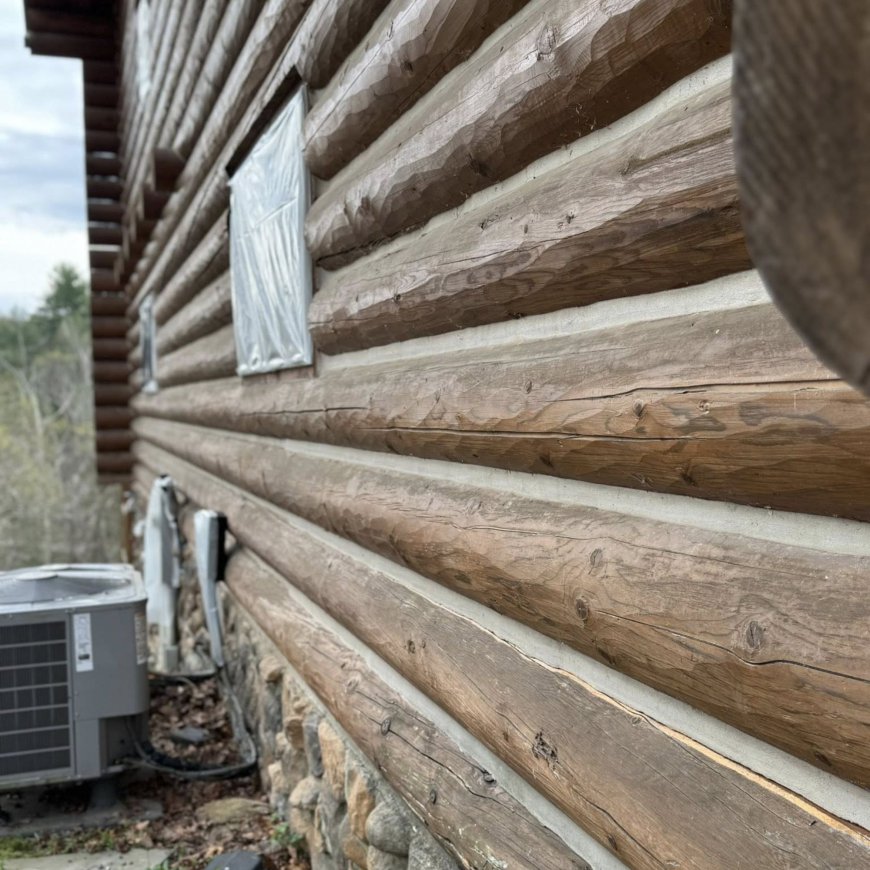
One maintenance task that often gets overlooked is log house caulking. The material between logs helps block moisture, drafts, insects, and air leaks. Over time it naturally wears down, cracks, or separates as the logs expand and contract. Once those gaps open up, water and cold air have an easy path inside. During your yearly inspection, check every joint carefully. If sections have failed, repair them before the next wet season arrives. It's one of those jobs that seems minor until you skip it for too long.
Conclusion
Owning a timber home isn't difficult, but it does ask for consistency. Walk around it. Look closely. Fix little issues before they become expensive ones. Keep water away, maintain the finish, inspect the roof, and don't ignore the warning signs just because everything still looks mostly fine. Timber rewards people who stay ahead of maintenance instead of reacting after damage appears. Do that year after year, and your home won't just survive the seasons. It'll keep looking and performing the way it was meant to, for a very long time.