Automotive Switch Market Size, Trends, and Growth Strategies Analysis
 coherentmarket
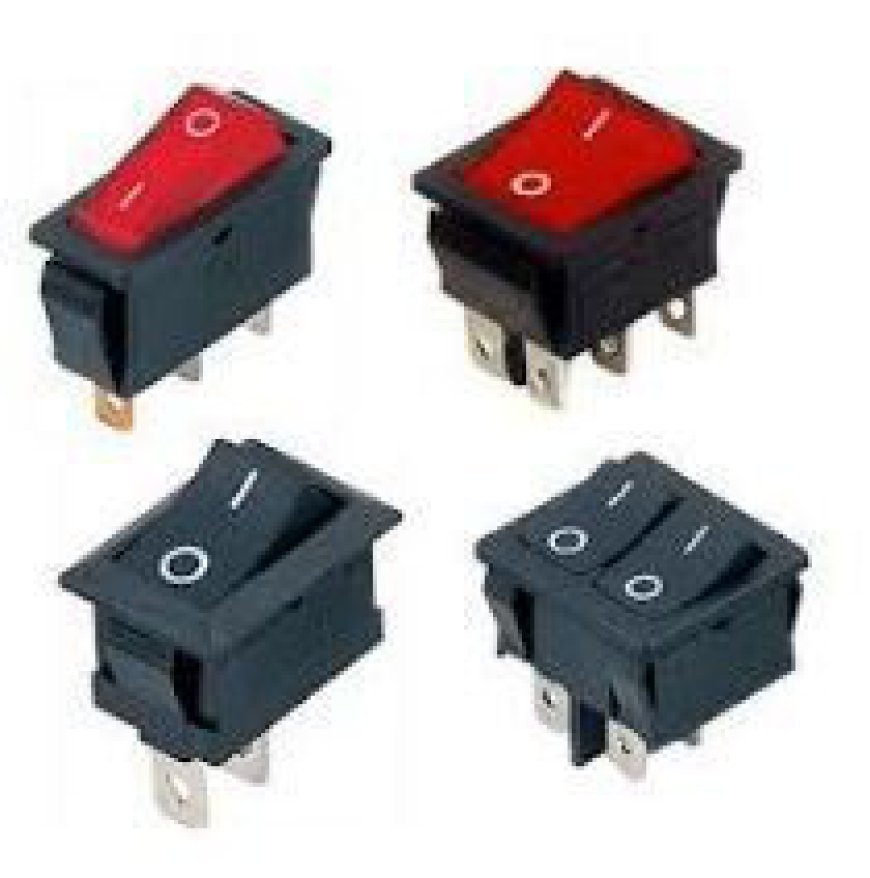
The Automotive Switch industry continues to be a pivotal segment within the broader automotive components ecosystem, driven by evolving vehicle electrification and advanced driver assistance systems. With increasing demand for reliable, energy-efficient switch technologies, the market’s business growth is poised for sustained expansion, reflecting significant market dynamics shaped by both OEMs and aftermarket players.
Market Size and Overview
The Global Automotive Switch Market is estimated to be valued at USD 7.96 Bn in 2025 and is expected to reach USD 10.98 Bn by 2032, growing at a compound annual growth rate (CAGR) of 4.7% from 2025 to 2032.
This Automotive Switch Market Forecast is anchored on strong market drivers including technological advancements and stringent regulatory frameworks aimed at improving vehicle safety and user interface customization. The industry size benefits from innovation-led product development and increasing automotive production globally, enhancing market revenue potential across regions.
Market Segments
The Automotive Switch Market can be segmented into Product Type, Application, and Vehicle Type categories.
- Product Type: Includes toggle switches, push-button switches, rocker switches, and rotary switches. The rocker switch sub-segment leads the market share due to its widespread application in modern vehicles, while push-button switches are the fastest-growing type, driven by rising demand in electric and autonomous vehicles.
- Application: Comprises lighting switches, door switches, ignition switches, and others with ignition switches showing dominance by revenue, propelled by their critical role in modern vehicle systems. Door switches register the fastest growth rate owing to enhanced security features in passenger cars as evidenced by 2024 product launches.
- Vehicle Type: Passenger cars, commercial vehicles, and two-wheelers. Passenger cars hold the dominant industry share, bolstered by luxury and mid-segment car upgrades, whereas commercial vehicles witness rapid growth due to fleet modernization policies.
Market Drivers
A key market driver supporting automotive switch market growth in 2024 is the accelerating adoption of electric vehicles (EVs). Policies in major automotive markets encouraging EV manufacturing directly influence demand for specialized switches that cater to high-voltage systems and advanced user controls. For instance, as per 2024 data, automotive companies increased R&D investment by 12% to integrate advanced switch technologies compatible with EV architectures, reinforcing the market scope and growth opportunities.
Segment Analysis: Product Type
Focusing on the Product Type segment, rocker switches constitute the largest revenue contributor due to their durability and ergonomic design favored in mid-to-high-end vehicles. Meanwhile, push-button switches are the fastest-growing sub-segment, with 2025 automotive switch market report data indicating a 7% year-on-year increase in production, especially in luxury EVs featuring keyless entry and start/stop systems, highlighting evolving industry trends toward convenience and user interface refinement.
Consumer Behaviour Insights
In 2024-2025, consumer preferences have gravitated towards customizable switch designs, reflecting a shift towards personalization in automotive interiors. A 2025 consumer feedback survey revealed that 62% of buyers prioritize switch aesthetics and tactile feedback alongside functional reliability. Additionally, sustainability preferences influence buying decisions, with end users increasingly favoring switches made from recycled or biodegradable materials, aligning with broader market challenges of environmental compliance and cost-effectiveness. Digital consumption habits also drive integration of smart switches compatible with vehicle infotainment systems, spotlighting new market revenue avenues.
Key Players
Prominent market players operating within the automotive switch market include ZF Friedrichshafen AG, Delphi Technologies, Valeo, Panasonic Automotive Systems Co., and TRW Automotive US LLC, among others. Across 2024-2025, ZF Friedrichshafen AG notably expanded its capacity by 15% to meet growing EV requirements, whereas Valeo launched advanced multifunctional switch modules catering to premium vehicle models, reinforcing their competitive edge in market growth. Panasonic Automotive Systems deepened regional penetration into Asia Pacific to capitalize on rising production hubs.
Key Winning Strategies Adopted by Key Players
ZF Friedrichshafen AG implemented a vertical integration strategy in 2024, combining component manufacturing with software development for switch modules, significantly reducing lead times and increasing product customization options. This strategy led to a 10% improvement in client retention and revenue growth. Valeo pursued strategic collaboration with automotive OEMs in 2025 to co-develop IoT-enabled switch systems, resulting in expedited market adoption and enhanced market trends alignment. Additionally, Panasonic Automotive Systems embraced agile manufacturing techniques in 2024, allowing rapid scale-up of production for innovative rocker switches, facilitating superior market opportunities.
FAQs
Q1. Who are the dominant players in the Automotive Switch Market?
Key players include ZF Friedrichshafen AG, Delphi Technologies, Valeo, Panasonic Automotive Systems Co., and TRW Automotive US LLC., who focus on innovation, capacity expansion, and strategic partnerships to maintain leadership.
Q2. What will be the size of the Automotive Switch Market in the coming years?
The market is projected to grow from USD 7.96 billion in 2026 to USD 10.98 billion by 2032, reflecting a CAGR of 5.0% supported by technological adoption and evolving automotive designs.
Q3. Which end-user industry holds the largest growth opportunity?
Passenger cars present the largest growth opportunities due to rising demand for advanced switch technologies in electric and luxury vehicles.
Q4. How will market development trends evolve over the next five years?
Market trends will likely shift towards smart, customizable switches integrated with IoT capabilities and enhanced sustainability features, aligned with automotive electrification.
Q5. What is the nature of the competitive landscape and challenges in the Automotive Switch Market?
The market is competitive, driven by the need for innovation and compliance with stringent automotive safety and environmental regulations. Challenges include material cost volatility and rapid technological changes.
Q6. What go-to-market strategies are commonly adopted in the Automotive Switch Market?
Strategies include vertical integration, strategic collaborations with automotive OEMs, and agile manufacturing to accelerate product development and meet customized demands efficiently.
‣ Get more insights on : Automotive Switch Market
‣ Get this Report in Japanese Language: 自動車用スイッチ市場
‣ Get this Report in Korean Language: 자동차스위치시장
‣ Read More Related Articles - Japan Rail Freight Transport: The Backbone of Japan's Logistics Industry
Author Bio:
Ameya Thakkar is a seasoned management consultant with 9+ years of experience optimizing operations and driving growth for companies in the automotive and transportation sector. As a senior consultant at CMI, Ameya has led strategic initiatives that have delivered over $50M in cost savings and revenue gains for clients. Ameya specializes in supply chain optimization, process re-engineering, and identification of deep revenue pockets. He has deep expertise in the automotive industry, having worked with major OEMs and suppliers on complex challenges such as supplier analysis, demand analysis, competitive analysis, and Industry 4.0 implementation.