How Tires Support Canadian Mobility
Explore how the Canada tire market is growing with rising demand for winter tires, replacement sales, commercial fleets, SUVs, all-weather tires, and advanced tire technologies through 2032.
 Jhon223
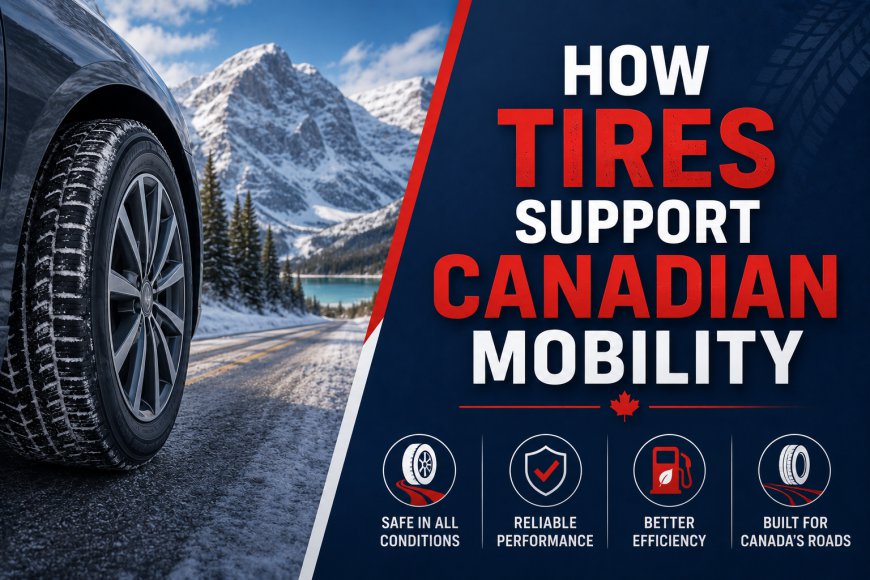
Tires are essential to Canada’s mobility system because they connect vehicles with roads in changing weather, terrain, and driving conditions. Passenger cars, SUVs, pickup trucks, buses, commercial vans, freight trucks, and specialty vehicles all depend on tires for traction, braking, handling, load support, comfort, and fuel performance. In a country with long winters and wide regional climate differences, tire choice is closely linked with safety and vehicle reliability.
A published study by MarkNtel Advisors reports that the Canada tire sector was valued at around USD 7.10 billion in 2025. It is projected to grow from USD 7.19 billion in 2026 to USD 10.15 billion by 2032, registering a CAGR of around 5.91% during 2026–32. This growth reflects steady demand from replacement tires, winter driving needs, vehicle ownership, commercial transport, and tire technology improvements.
Winter Tires Drive Seasonal Demand
Winter tires are especially important in Canada because snow, ice, slush, and low temperatures affect road grip. Many drivers switch tires seasonally to improve traction and braking performance in colder months. This creates strong replacement and storage-related demand across provinces with harsh winter conditions.
Transport Canada recommends using winter tires on all wheels for driving in cold, snowy, or icy conditions. This guidance supports regular seasonal tire purchases, inspections, and replacements among Canadian vehicle owners.
Replacement Sales Remain Strong
Replacement demand is a major part of the tire sector because tires wear down through daily driving, heavy loads, braking, road friction, weather exposure, and improper inflation. Consumers replace tires based on tread depth, age, damage, punctures, vibration, noise, and seasonal requirements.
Canada’s large vehicle fleet supports recurring tire replacement across passenger and commercial categories. Workshops, tire retailers, dealerships, online platforms, and service centers all benefit from this regular replacement cycle. Strong aftersales support also helps consumers choose the right tire type for their vehicle and driving conditions.
Tire Pressure Affects Performance
Proper tire pressure is important for safety, tread life, fuel use, and handling. Underinflated or overinflated tires can wear unevenly and reduce performance. In cold weather, pressure can change more noticeably, so regular checks become important for Canadian drivers.
Transport Canada explains that proper tire pressure can extend tread life, improve safety, and reduce fuel consumption. This makes tire maintenance an important part of both consumer awareness and long-term tire value.
SUVs and Pickups Add Demand
SUVs and pickup trucks are popular in Canada because they suit family use, long-distance travel, outdoor activities, snow conditions, and utility needs. These vehicles often require larger tires, stronger load ratings, and tire designs suitable for mixed road conditions. This supports demand for all-season, all-weather, winter, and performance tire categories.
Pickup trucks used for work, towing, construction, agriculture, and rural mobility also need durable tires. Buyers may prioritize traction, load capacity, puncture resistance, and long tread life. This creates opportunities for premium and specialized tire products.
Commercial Fleets Need Durability
Commercial vehicles create steady tire demand because delivery vans, buses, logistics trucks, and freight fleets travel long distances and carry heavy loads. Fleet operators focus on durability, fuel efficiency, retreading potential, service availability, and total cost of ownership. Tires directly affect uptime and operating expenses.
Reliable tires are important for freight movement across long routes, urban delivery networks, and regional transport corridors. Fleet managers often use tire inspections, pressure monitoring, rotation schedules, and replacement planning to reduce breakdowns and improve vehicle safety.
All-Weather Tires Gain Attention
All-weather tires are gaining attention among drivers who want year-round convenience with stronger winter capability than standard all-season tires. These products can appeal to consumers who prefer not to change tires twice a year, especially in regions with moderate winters or mixed driving conditions.
However, tire choice depends on location, driving habits, vehicle type, and weather exposure. Drivers in severe winter conditions may still prefer dedicated winter tires. This creates a broad product mix where retailers must guide consumers carefully.
Online Retail Expands Access
Online tire retail is making comparison easier for consumers. Buyers can check tire size, brand, price, performance category, winter ratings, reviews, and installation options before purchase. Many platforms also connect customers with local installers, making digital tire buying more convenient.
Online channels are useful for shoppers who already know their tire size and preferred category. Still, expert advice remains important because incorrect tire selection can affect safety and vehicle performance. This keeps tire shops and service centers relevant even as digital buying expands.
Sustainability Shapes the Sector
Sustainability is becoming more important in tire manufacturing and end-of-life management. Tire producers are working on lower rolling resistance, longer-lasting compounds, recycled materials, and responsible waste handling. Retailers and recyclers also play a role in collecting and processing used tires.
For consumers, longer tire life and proper maintenance can reduce waste and lower ownership costs. For companies, sustainability efforts can support brand trust and align with wider environmental expectations across the automotive sector.
Outlook for Canada Tires
Canada’s tire sector is expected to grow steadily through 2032, supported by winter tire demand, replacement cycles, vehicle ownership, SUVs and pickups, commercial fleets, and online retail access. Tires will remain essential because they directly influence safety, vehicle performance, and seasonal readiness.
Future growth will depend on durable products, winter performance, all-weather innovation, fuel-efficient designs, service networks, and clear consumer guidance. Companies that combine reliable tire technology with strong retail access, maintenance support, and safety-focused communication will remain important in Canada’s tire sector.