CBD and Ashwagandha: Complete Guide
Learn about CBD and ashwagandha, their differences, combined products, CBD oil, ingredients, wellness uses, safety considerations, and buying tips.
 tayyabullahansari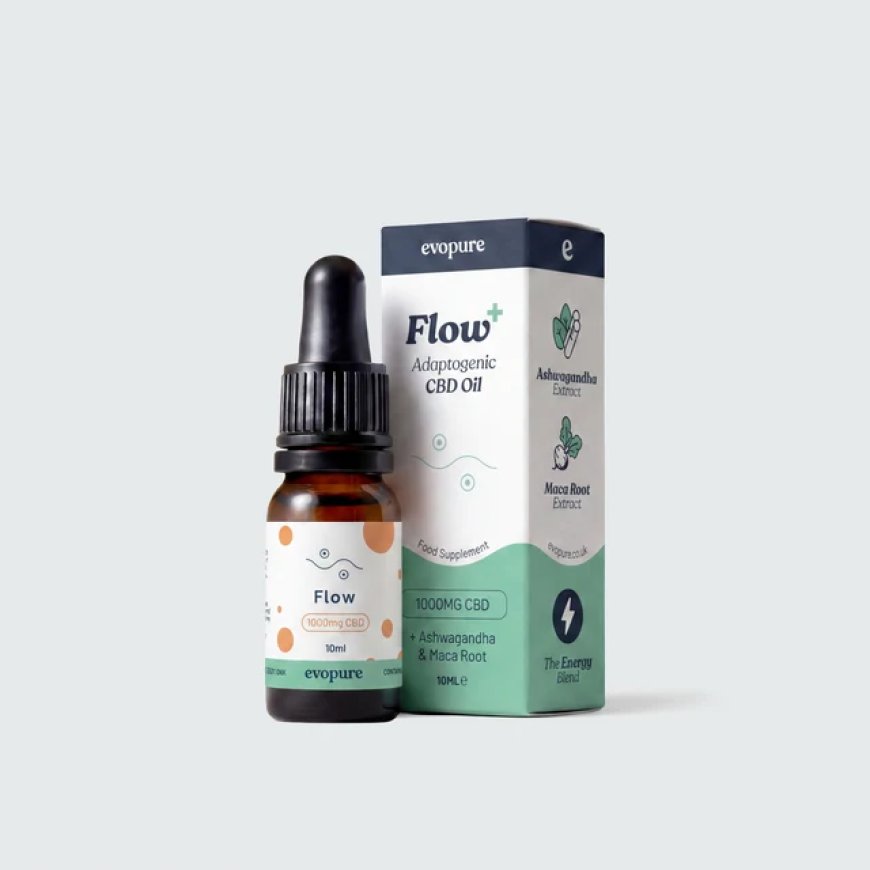
CBD and Ashwagandha: A Guide to Plant-Based Wellness
CBD and ashwagandha are two plant-derived ingredients commonly discussed in modern wellness. While CBD comes from hemp and cannabis plants, ashwagandha is a botanical traditionally used in Ayurvedic practices. Understanding their differences can help consumers make informed decisions about botanical products.
What Are CBD and Ashwagandha?
CBD, short for cannabidiol, is a naturally occurring cannabinoid found in hemp and cannabis plants. It is commonly used in products such as CBD oils, capsules, balms, creams, and other formulations.
Ashwagandha, scientifically known as Withania somnifera, is a botanical traditionally used in Ayurvedic wellness practices. It is available in powders, capsules, extracts, and combination supplements.
Although both ingredients are plant-derived, they are not the same and have different properties.
CBD Explained
CBD is one of the naturally occurring cannabinoids found in hemp and cannabis.
CBD is different from THC, the cannabinoid primarily associated with the intoxicating effects of cannabis. CBD products can be formulated in several ways, including:
-
CBD oil
-
CBD capsules
-
CBD balm
-
CBD creams
-
CBD gels
-
Broad-spectrum CBD products
The concentration, ingredients, and intended use can vary considerably between products.
What Is Ashwagandha?
Ashwagandha is a traditional botanical belonging to the Solanaceae family. Its botanical name is Withania somnifera.
It has a long history in Ayurvedic traditions and is now commonly found in modern herbal supplements.
Ashwagandha products may contain root powder, extracts, or standardised preparations. When comparing products, check the form and amount of ashwagandha provided.
Why Combine CBD and Ashwagandha?
Products containing CBD and ashwagandha combine two different plant-derived ingredients in one formulation.
This combination may appeal to people interested in botanical wellness and multi-ingredient products.
However, combining ingredients does not automatically mean that a product is more effective. Consumers should consider the amount of each ingredient, the formulation, product quality, and intended use.
CBD Oil With Ashwagandha
CBD oil with ashwagandha is one possible format for combining these ingredients.
A typical formulation may contain:
-
CBD extract
-
Ashwagandha extract
-
Carrier oil
-
Other botanical ingredients
-
Flavouring ingredients
The exact composition varies by product, so always read the label before use.
Understanding CBD Strength
When buying a CBD product, CBD concentration is an important consideration.
Strength may be listed as:
-
Total CBD per bottle
-
CBD per millilitre
-
CBD per serving
-
CBD concentration
A higher CBD concentration is not automatically better. Compare the amount of CBD with the product size and follow the manufacturer's recommended use.
Understanding Ashwagandha Dosage
Ashwagandha products can vary significantly in concentration and extract type.
Some products use powdered root, while others use concentrated extracts.
Because the appropriate amount can depend on the formulation and individual circumstances, follow the product instructions rather than assuming that all ashwagandha supplements have the same serving size.
Potential Wellness Uses
CBD and ashwagandha are commonly discussed in the context of general wellness.
Some consumers use products containing these ingredients as part of routines focused on relaxation, balance, or everyday wellbeing.
However, individual experiences can differ, and these products should not be presented as guaranteed treatments for anxiety, stress, insomnia, or other medical conditions.
CBD and Ashwagandha for Relaxation
Both CBD and ashwagandha are frequently discussed in connection with relaxation.
Some adults incorporate botanical products into calming routines alongside:
-
Meditation
-
Gentle stretching
-
Breathing exercises
-
Reading
-
Outdoor activities
-
Consistent sleep habits
A wellness routine should focus on several healthy habits rather than relying on one supplement or ingredient.
CBD and Ashwagandha for Sleep
CBD and ashwagandha are also commonly searched for in relation to sleep.
Research into CBD and sleep is still developing, while ashwagandha has also been studied in different contexts. Neither ingredient should be treated as a guaranteed solution for insomnia or other sleep disorders.
If sleep problems persist, consider speaking with a qualified healthcare professional.
CBD vs Ashwagandha
CBD and ashwagandha differ in their origins and classification.
| Feature | CBD | Ashwagandha |
|---|---|---|
| Type | Cannabinoid | Botanical |
| Source | Hemp/cannabis | Withania somnifera |
| Common formats | Oils, balms, capsules | Powders, capsules, extracts |
| Traditional use | Modern cannabinoid products | Ayurvedic traditions |
| Product variation | Strength and cannabinoid profile | Extract type and concentration |
They can be found separately or together in some wellness formulations.
How to Choose a CBD and Ashwagandha Product
Check the CBD Content
Look for clearly stated CBD concentration and total CBD.
Check the Ashwagandha Amount
Review the amount and form of ashwagandha used in the formulation.
Read the Full Ingredient List
Check carrier oils, flavourings, botanical extracts, and other ingredients.
Look for Testing Information
Laboratory testing can provide useful information about CBD content and product composition.
Follow Product Instructions
Use the product according to the manufacturer's recommended serving or application method.
Safety Considerations
CBD and ashwagandha may not be suitable for everyone.
CBD can interact with certain medicines, while herbal ingredients may also have potential interactions or precautions.
If you take prescription medication, have an underlying health condition, are pregnant or breastfeeding, or are unsure whether these ingredients are suitable for you, speak with a qualified healthcare professional before use.
Do not exceed the manufacturer's recommended amount.
Common Buying Mistakes
Choosing Only by CBD Strength
Higher CBD concentration does not automatically mean better quality.
Ignoring Ashwagandha Extract Information
The form and concentration of ashwagandha can vary between products.
Focusing Only on Price
Compare ingredients, concentrations, product size, testing, and manufacturer information.
Trusting Guaranteed Claims
Avoid products that promise guaranteed medical or therapeutic results.
Frequently Asked Questions
What are CBD and ashwagandha?
CBD is a cannabinoid found in hemp and cannabis plants, while ashwagandha is a botanical traditionally used in Ayurvedic practices.
Can CBD and ashwagandha be taken together?
Some products combine CBD and ashwagandha, but suitability depends on the individual and product formulation. Consult a healthcare professional if you take medication or have health concerns.
What is CBD oil with ashwagandha?
It is a liquid formulation combining CBD with ashwagandha and usually a carrier oil. Check the product label for exact ingredients and concentrations.
Are CBD and ashwagandha the same?
No. CBD is a cannabinoid, while ashwagandha is a botanical herb.
Can CBD and ashwagandha help with sleep?
Both are commonly discussed in relation to sleep and relaxation, but evidence varies and neither should be considered a guaranteed treatment for sleep disorders.
Conclusion
CBD and ashwagandha are distinct plant-derived ingredients that can be used separately or combined in wellness products. CBD is a cannabinoid commonly found in oils, balms, capsules, and other products, while ashwagandha is a traditional botanical available in powders, extracts, and supplements.
When choosing a combined product, check the CBD concentration, ashwagandha content, complete ingredient list, testing information, and recommended use. If you take medication or have concerns about either ingredient, consult a qualified healthcare professional before use.