Commercial Security Alarm Systems: Benefits & Protection
Learn how commercial security alarm systems protect businesses from unauthorized access, theft, and security threats while supporting CCTV and access control.
 ciscofiresecurity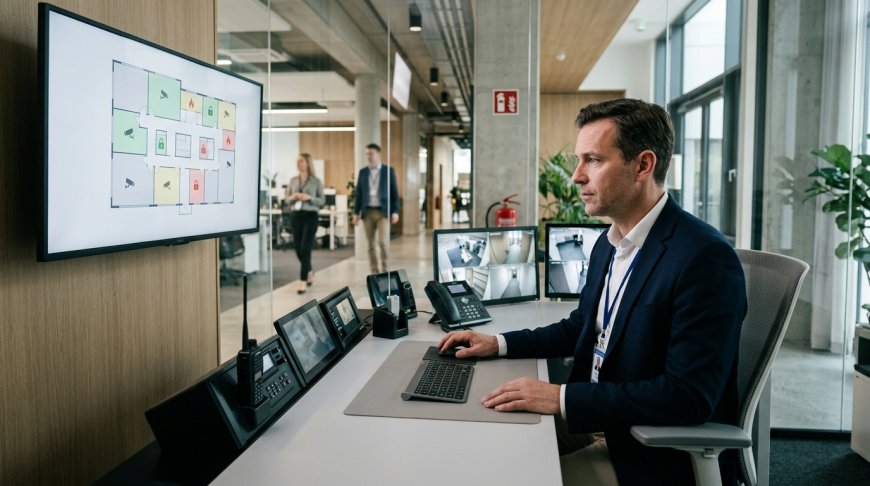
Commercial properties face security risks that can affect employees, customers, equipment, inventory, and daily operations. Unauthorized entry, after-hours activity, theft, and attempts to access restricted areas can create serious challenges for business owners and facility managers.
A commercial security alarm system provides an additional layer of protection by detecting suspicious activity and alerting responsible personnel when a potential security event occurs. When properly designed, these systems can work alongside CCTV cameras, access control, and other security technologies to create a more coordinated approach to commercial property protection.
What Is a Commercial Security Alarm System?
A commercial security alarm system is a collection of devices designed to detect unauthorized activity within or around a business property. These systems can monitor doors, windows, restricted areas, building perimeters, and other vulnerable locations.
Depending on the property's requirements, a system may include:
-
Motion detectors
-
Door and window contacts
-
Glass-break sensors
-
Perimeter detection devices
-
Alarm control panels
-
Audible and visual alarms
-
Monitoring and notification systems
The right combination depends on factors such as building size, layout, operating hours, security risks, and the areas that require protection.
How Commercial Alarm Systems Work
Commercial alarm systems use sensors and detection devices to identify activity that may indicate a security threat.
For example, a door contact can detect when a protected entrance is opened, while a motion detector can identify movement within a secured area. When a device detects an event, it communicates with the alarm control system.
Depending on the configuration, the system can trigger an alarm or send an alert to designated personnel or a monitoring service.
This allows businesses to respond to potential security incidents more quickly instead of relying solely on employees noticing unusual activity.
Common Types of Commercial Security Alarms
Different businesses have different security requirements. Several types of detection technologies can be incorporated into a commercial alarm system.
Door and Window Sensors
Doors and windows are common entry points for unauthorized individuals. Contact sensors can be installed on selected openings to identify when they are opened while the system is armed.
These devices can be particularly useful for offices, retail properties, warehouses, and other buildings with multiple access points.
Motion Detection
Motion detectors can monitor movement within designated areas. They can be positioned in hallways, storage rooms, offices, and other locations where unauthorized activity needs to be identified.
Proper placement is important to reduce unnecessary alarms while maintaining useful coverage.
Glass-Break Detection
Windows and glass doors can represent vulnerable points within a commercial property. Glass-break detectors are designed to identify characteristics associated with breaking glass and can provide another layer of protection.
They may be useful in storefronts, offices, display areas, and other properties with extensive glass surfaces.
Perimeter Protection
Some commercial properties require protection beyond the building itself. Perimeter security can help monitor areas such as fences, gates, entrances, and other external boundaries.
This can be particularly important for warehouses, industrial facilities, storage locations, and properties with large outdoor areas.
Benefits of Commercial Security Alarm Systems
1. Earlier Detection of Unauthorized Activity
One of the primary advantages of an alarm system is its ability to detect potential security events before they become larger incidents.
Sensors can monitor protected areas continuously, including during periods when the property is unoccupied.
2. Protection of Restricted Areas
Not every area within a commercial property should be accessible to everyone. Server rooms, storage facilities, management offices, equipment rooms, and other sensitive locations may require additional protection.
Alarm devices can be configured around these areas to help identify unauthorized access.
3. Improved After-Hours Security
Businesses are often more vulnerable when employees have left for the day.
A properly configured alarm system can continue monitoring protected areas outside normal operating hours, helping businesses maintain security when fewer people are present.
4. Support for Security Personnel
An alarm notification provides security personnel with information that can help them determine where an event has occurred.
When combined with other technologies, such as CCTV cameras, personnel may be able to verify activity and make better-informed decisions.
5. Flexible Security Coverage
Commercial alarm systems can be designed around the property's specific requirements. Businesses can protect selected entrances, restricted rooms, perimeter areas, or other locations rather than applying the same configuration throughout the entire building.
Integrating Alarms With Other Security Systems
A commercial alarm system can provide greater value when it works alongside other security technologies.
For example, CCTV cameras can provide visual information when an alarm is triggered. Access control can help manage who is permitted to enter specific areas, while video intercom systems can support communication and visitor verification.
An integrated approach may include:
-
Commercial security alarms
-
CCTV security cameras
-
Video intercom systems
-
Security door locks
-
Low-voltage networking
-
Centralized monitoring
Connecting these technologies can give businesses a broader understanding of security events and help reduce the need to manage each system completely independently.
Where Commercial Alarm Systems Can Be Used
Commercial security alarms can be suitable for many types of properties, including:
-
Office buildings
-
Retail stores
-
Warehouses
-
Manufacturing facilities
-
Healthcare properties
-
Educational institutions
-
Financial facilities
-
Storage facilities
-
Industrial properties
Each environment presents different risks. A warehouse may require extensive perimeter and motion detection, while an office may place greater emphasis on entrances, restricted rooms, and after-hours protection.
Choosing the Right Commercial Alarm System
Businesses should evaluate their property and security requirements before selecting equipment.
Important considerations include:
-
Number of entrances and exits
-
Building layout
-
Areas requiring restricted access
-
Operating and closing hours
-
Existing security systems
-
Outdoor and perimeter areas
-
Monitoring requirements
-
Future expansion plans
-
Maintenance requirements
A professional security assessment can help identify vulnerable areas and determine which detection technologies are appropriate.
Why Professional Installation Matters
Installing security equipment is only one part of creating an effective alarm system. Sensors need to be positioned correctly, devices must communicate reliably, and the system should be configured according to the property's security requirements.
Professional installation can also help ensure that alarm systems work effectively with existing CCTV, access control, networking, and other security technologies.
Regular maintenance is equally important. Testing devices, checking connections, reviewing system performance, and addressing faults can help keep the security system dependable over time.
Creating a Stronger Commercial Security Strategy
Commercial security is most effective when it is based on the actual risks and requirements of the property. Alarm systems can provide an important detection layer, but they should be considered as part of a broader security strategy.
Combining commercial alarms with CCTV surveillance, access control, video intercoms, and reliable low-voltage infrastructure can provide businesses with better visibility and a more coordinated approach to protecting their facilities. Cisco Fire Systems helps businesses implement integrated fire and security solutions designed around their property's specific requirements.
The goal is not simply to install more security equipment. A well-planned system should provide the right level of protection for the property, support faster awareness of potential incidents, and remain flexible as business needs change.