Common Applications of Bag Filter Housing Across Industries
Bag filter housings deliver reliable, low-cost liquid filtration across industries, protecting equipment and ensuring clean, consistent output.
 filtersciences
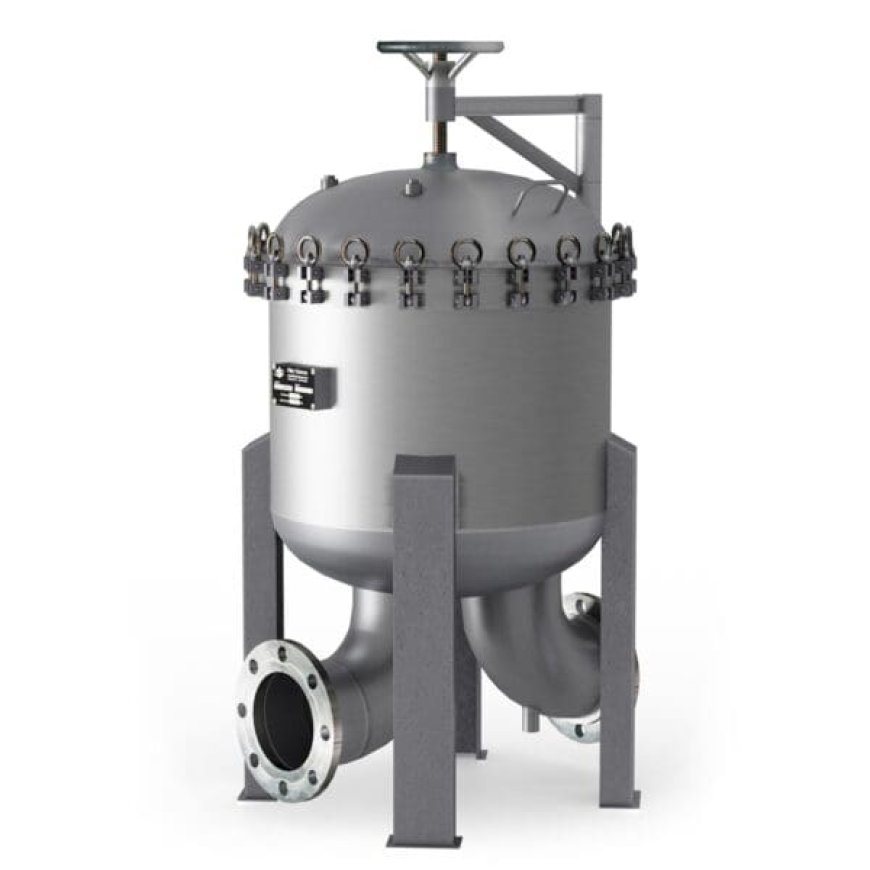
Bag filter housings keep fluids clean across tons of industries. These units hold filter bags that catch dirt, grit, and other debris from liquids as they flow through. Nothing flashy- just firm, practical equipment that stops problems before they start. Factories, plants, and refineries run smoother because of them.
Why They Matter Everywhere
Bag filter housings prove themselves in tough conditions. They handle high flows, hot temperatures, and corrosive substances without complaint. Particles stay trapped inside the bags, keeping downstream equipment like pumps and valves safe. Changing a bag takes just a few minutes, and costs stay low compared to more complex filtration systems. Over the years, they’ve earned a reputation for reliability- from small batch setups to large-scale operations.
Food and Beverage Scene
Juice makers and breweries rely on bag filter housing setups to polish drinks. Cloudy apple juice becomes crystal clear, while beer lines stay free of floaters that can affect taste. Cooking oils shed debris, giving smoother frying results back in the processing plant.
- Juices and sodas come out bright and clean.
- Edible oils lose grit, boosting shelf life.
Bottling lines stay compliant with food safety standards without headaches. Sugar syrups and dairy products remain free from particles, reducing waste from rejected batches.
Chemical Processing Basics
Chemical plants often deal with messy mixes that leave behind sludge and leftover bits. A sturdy bag filter housing grabs these particles mid-flow. Paints reach mixers smooth, adhesives go into tanks without lumps, and solvents are ready for safe storage.
This keeps batches consistent, avoiding off-spec runs that waste time and money. Pressure stays steady, reactors keep humming, and clogs rarely force sudden shutdowns.
Water Treatment Roles
City water plants start with bag filter housing units on rough feeds. Suspended solids drop out quickly, easing the load on sand beds or membranes downstream. Factory wastewater sheds metals and oils before discharge, and less sludge builds up in settling tanks.
Riverside intakes pull in less riverbed debris, letting systems run longer between cleans and saving energy on pumps. Coastal desalination plants also rely on them upfront to handle algae blooms.
Oil and Gas Demands
Drilling mud returns loaded with rock chips and clay. Bag filter housing arrays remove it before recirculation. Fracking fluids clean up for reuse, reducing fresh water needs. Refineries push crude through multi-bag housings to protect heat exchangers.
Offshore rigs value the compact design- there’s no room for bulky alternatives. Pipeline stations filter injection water, stopping scale buildup miles away. Field crews swap bags quickly during 24/7 operations.
Pharma and Clean Rooms
Sterile environments demand perfection. Bulk drug solutions pass through a bag filter housing for final clarity. Injectables shine under inspection lights, and oral syrups shed fibers that could trigger recalls. The simple design makes sterilization between runs easy.
Single-use bags reduce cross-contamination risks, letting production scale from lab pilots to full suites without retooling.
Power Plant Duties
Cooling towers pull in river water full of leaves and dirt. Bag filter housings stop this debris from reaching turbines. Boilers stay cleaner, condensers stay cooler, and even nuclear plants use them to keep waste streams safe.
Emission scrubbers also use these housings to prepare chemicals, helping power plants run more reliably with less downtime.
Metals and Mining Too
Ore slurries can clog finer screens. Bag filter housings catch coarse particles early. Plating baths stay bright for chrome jobs, and coolants recycle clean in machine shops, extending tool life.
Simple Care Routine
These housings last when given basic care. Watch pressure gauges for bag life- swap bags after a 15-20 psi rise, usually every 7- 14 days on heavy feeds. Rinse interiors with low-pressure sprays. Stainless steel suits acids, carbon steel works for neutral liquids.
- Gauges spot issues before backups form.
- Bag sizing ensures proper flow rates.
Gaskets seal tight, preventing leaks, and annual weld checks catch cracks early. With simple maintenance, these housings outlast flashy alternatives. From clear brews to steady power, bag filter housings just get the job done, reliably and quietly.