Cultural Care Access: How Bilingual Remote Specialists Save Local Desks
Walking into a busy community health center in the United States today can be a remarkably overwhelming experience for someone
 jon8765
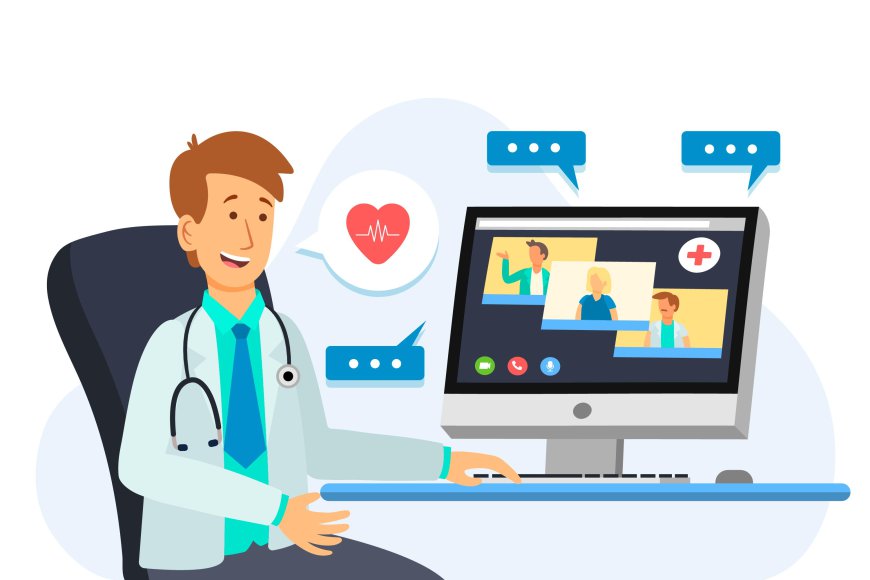
Walking into a busy community health center in the United States today can be a remarkably overwhelming experience for someone who does not speak English fluently. Traditional medical front desks are quickly becoming chaotic environments where local receptionists struggle to handle intense phone calls, check in local patients, and translate complex medical terms all at the exact same time. Integrating a highly skilled bilingual Virtual Medical Assistant directly into a clinic's secure communication network serves as a powerful, modern solution to this widespread operational crisis. For American undergraduate students exploring modern sociology, public health, or global business logistics, studying this decentralized translation model offers a front-row seat into the future of inclusive community care. By shifting multi-language phone routing and document translation away from crowded physical lobbies and onto highly encrypted remote servers, independent practices can successfully reduce local employee stress while offering every single neighborhood patient equal access to clear, compassionate medical guidance.
What Exactly is a Bilingual Remote Healthcare Specialist?
A bilingual remote health specialist is a trained administrative professional who works from a secure offsite workspace and speaks multiple languages with flawless fluency. They connect directly to a local clinic's internet systems to manage incoming phone lines, translate intake histories, and help non-English speaking patients schedule appointments easily.
Why Language Barriers Cripple Traditional In-Office Productivity
When a physical desk clerk cannot clearly understand a patient's spoken native dialect, simple everyday tasks like capturing a correct home address or recording a specific drug allergy can take three times longer to complete. This major communication bottleneck causes massive, frustrating waiting room lines, forces doctors to fall hopelessly behind schedule, and increases the terrifying risk of severe medical record errors.
Slicing Real Estate Overhead via Remote Multicultural Staffing
Hiring a large team of physical, in-person translators requires a medical business owner to expand their office layout, purchase extra office furniture, and pay expensive monthly commercial leasing fees. Utilizing offsite cultural care networks allows neighborhood clinics to remain compact and minimalist, keeping local property bills low while maintaining a massive, multi-language administrative reach.
Erasing Capital Outlays on Physical Desktop Infrastructure
Supplying an onsite, in-person interpreter with a high-end dual-monitor computer setup, an enterprise phone system, and expensive software licenses creates a major upfront financial liability for a young practice. Remote bilingual partners supply all of their own high-speed internet connections and secure, modern computer stations, shifting immediate hardware setup expenses perfectly down to zero.
The Financial Relief of Eliminating Full-Time Benefit Packages
Employing a massive team of full-time, in-person administrative employees in America means that a clinic owner must provide expensive, mandatory benefit packages, including comprehensive health insurance and matching retirement accounts. Utilizing structured remote assistant platforms removes these heavy financial liabilities, allowing independent doctors to pay strictly and exclusively for productive work hours.
Bypassing the Complex Headache of Local State Payroll Taxes
Managing an in-person administrative workforce involves navigating a messy web of local state taxes, federal employment contributions, and expensive workers' compensation insurance policies. Contracting data-entry pipelines out to a secure remote platform keeps corporate business accounting perfectly clean, as the contract fee listed on the service agreement is the final price.
Eradicating Front-Desk Phone Noise to Calm Local Healing Spaces
When local clinic phone lines are constantly ringing with multi-language inquiries, the physical lobby can feel intensely loud, rushed, and stressful for visiting patients. Moving those incoming calls to quiet, remote digital workspaces instantly transforms the local waiting room into a calm, peaceful, and patient-centered environment.
Protecting Clinic Revenue by Eliminating Clerical Typos
Simple typos on a patient profile sheet, like an inverted insurance group code or a misspelled family surname, cause automated insurance databases to reject financial claims instantly. Specialized remote bilingual clerks operate in distraction-free zones, allowing them to verify data fields perfectly and protect a clinic's financial stability.
Safeguarding Confidential Health Files Behind Highly Encrypted Servers
Every single line of multi-language patient text and medical data sent across the web must be heavily guarded against modern cyber threats and data leaks. Remote health networks utilize premium multi-factor authentication, secure cloud servers, and heavily encrypted connections to ensure that private patient histories stay entirely confidential.
Navigating Complex Federal Privacy Rules Without Facing Regulatory Penalties
Operating an independent medical facility requires strict compliance with federal rules like HIPAA to ensure patient records are always handled correctly. Highly knowledgeable remote coordinators manage data entry behind secure cyber walls, allowing clinics to share records cleanly without risking expensive regulatory penalties.
The Specialized Financial Shield Against Insurance Approval Barriers
Even when a clinic has an incredibly fast cloud database up and running, daily operations can instantly grind to a halt if an insurance company pauses a necessary treatment plan. Within this high-stress environment, a remote Prior Authorization Virtual Assistant operates as a crucial financial shield, gathering physician notes and negotiating with insurers to secure official approvals well before the patient arrives. For undergraduate university students analyzing modern healthcare economics, this specific strategy highlights how modern clinics use remote specialists to handle complex corporate landscapes. By placing these highly knowledgeable insurance coordinators in charge of digital data pipelines, independent practices can avoid costly day-of-visit cancellations and keep their financial accounts perfectly clean.
Sending Digital Intake Portals Straight to Patient Smartphones
Instead of forcing non-English speaking patients to sit in a lobby filling out confusing paper forms on plastic clipboards, virtual teams handle the intake process early. They text secure, language-matched registration links to smartphones days before a visit, allowing individuals to breeze through the front door straight to the exam room.
Enhancing Treatment Accuracy Through Culturally Sensitive Check-Ins
When patients return home following a complex surgical procedure, they often struggle to understand complicated discharge instructions written strictly in English. Offsite bilingual care workers call these individuals in their preferred native language to review medication dosages carefully, which dramatically boosts recovery safety.
Reducing Extreme Burnout Among Frontline Nursing Teams
When local clinic nurses are constantly forced to stop their clinical duties to try and translate phone calls or front-desk conversations, their professional morale drops. Offloading the language-barrier friction to an offsite cultural support team allows nurses to stay fully focused on delivering exceptional, hands-on physical care.
Why Learning Strategic Remote Management Supercharges Student Portfolios
Admissions committees at competitive medical, nursing, and healthcare administration graduate programs look for well-rounded applicants who understand that modern medicine is a complex business ecosystem. Students who master virtual workflows today can speak confidently during interviews about reducing system waste, avoiding workplace burnout, and creating a great patient experience.
Keeping Campus Health Services Accessible for International Students
University health centers across America serve a remarkably diverse student population, including international students who may feel anxious navigating a foreign medical system. Virtual bilingual assistants help campus clinics manage these diverse student needs seamlessly, ensuring that language differences never prevent a student from getting excellent medical attention.
Preparing for the Permanent Remote Workforce Standards of 2027
By the time the calendar turns to 2027, the traditional model of forcing an in-house team to handle both physical patient care and heavy digital charting will be completely obsolete. Students who take the time to study cross-border data structures and remote resource allocation today will instantly qualify for the highest-paying health leadership roles upon graduation.
Restoring the True Human Heart to Multicultural Medicine
At the end of the day, cutting clinic overhead in half is not just about saving money or boosting corporate profit margins. It is about restoring the natural, empathetic doctor-patient bond, giving physicians the time and mental freedom they need to deliver exceptional, life-saving human care.