Designing Booths for Robotics and Mobility Exhibitors at CES 2027
Planning a robotics or mobility exhibit at CES 2027? See how top tradeshow booth design companies build for safety, space, and live demos.
 builderdeckexpo
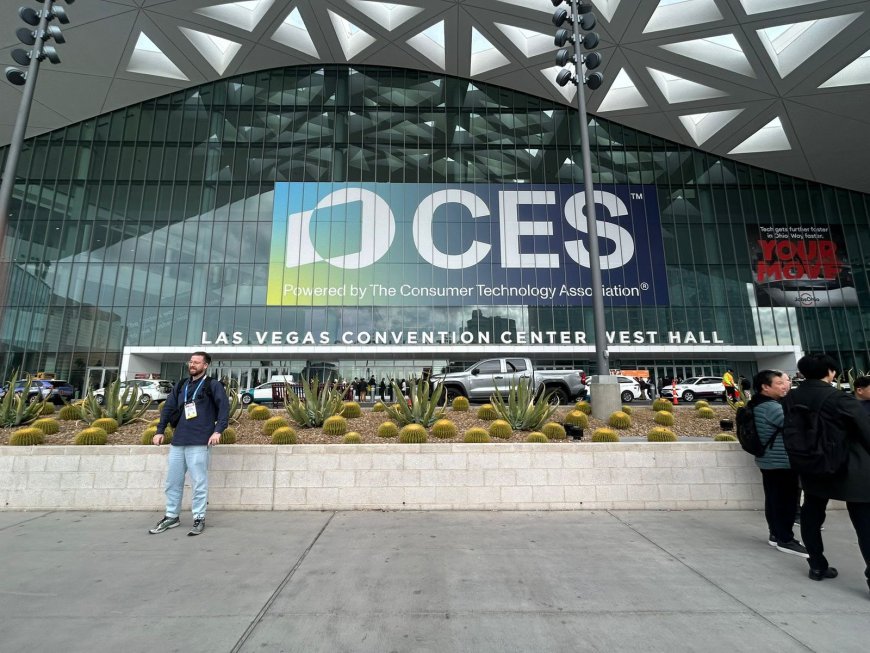
CES has always been a show about what's next, but for robotics and mobility exhibitors, "what's next" comes with a unique design challenge. You're not just displaying a product; you're demonstrating movement, autonomy, and physical interaction in real time, on a crowded show floor, in front of an audience that expects to be genuinely impressed.
A booth built for a smartphone accessory brand or a smart home gadget won't work for a delivery robot, an autonomous vehicle platform, or a robotic arm demo. Robotics and mobility exhibits have their own set of design rules, and getting them wrong doesn't just look bad, it can undercut the very technology you're trying to showcase.
Here's what exhibitors in this space need to think through before CES 2027.
1. Space Isn't Optional, It's the Product
For most exhibitors, floor space is about branding and visitor flow. For robotics and mobility, space is functional. A robot needs a demo zone with real clearance to move. An autonomous vehicle needs enough footprint for people to walk around it, or ideally sit in it, without crowding the aisle behind them.
Before anything else gets designed, work backward from the demo itself: How much room does the robot need to operate safely? How many people need to view it at once? Is there a queue, and where does that queue go without blocking your neighbors or the main aisle? This single planning step shapes everything else about the booth, and it's exactly why exhibitors in this category benefit from working with tradeshow booth companies who've handled technical, movement-heavy exhibits before, not just static product displays.
2. Safety and Sightlines Have to Coexist
Robotics demos come with real safety considerations, moving parts, sensors, sometimes even collaborative robots working near the public. At the same time, if visitors can't clearly see the demo happening, the booth has failed at its one job.
Good booth design solves both at once: barriers or flooring changes that keep people at a safe distance without blocking the view, elevated platforms so a crowd three-deep can still see over the front row, and clear signage indicating where it's safe to stand versus where the action happens. This is a case where design and engineering genuinely overlap, which is why it pays to loop in your tradeshow booth construction services team early, not after the layout is already finalized.
3. Let the Technology Talk, Don't Compete With It
It's tempting to build a highly styled, graphics-heavy booth to match the "innovation" energy of a robotics or mobility brand. But often, the most effective booths in this category do the opposite: they get out of the way. Clean lines, neutral materials, and controlled lighting that puts visual focus on the machine itself, not the backdrop.
Bright screens, moving graphics, and cluttered signage all compete for attention that should be going to your actual product. If your robot or vehicle is the most interesting thing in the room, your booth's job is to frame it, not upstage it.
4. Power, Data, and Rigging Needs Are Non-Negotiable
Robotics and mobility exhibits are often the most technically demanding builds on the entire show floor. Charging stations for EVs, high-draw power for robotic systems, network connectivity for live demos, sometimes even rigging for suspended displays or overhead signage that needs to clear a vehicle's height.
These aren't details to figure out on-site. They need to be planned into the booth's construction documents from day one, which is where a lot of exhibitors run into trouble if they're relying on a general-purpose vendor. An established tradeshow booth construction company with CES experience will already know the power and rigging rules for the Las Vegas Convention Center and the Venetian Expo, and will build those requirements into the design instead of discovering them the week of install.
5. Design for the Crowd, Not Just the Booth
CES draws serious foot traffic, and robotics/mobility booths tend to attract crowds fast, everyone wants to watch a robot in action. That's great for visibility, but it creates a design problem: how do you keep the demo area from becoming a bottleneck that blocks your entrance, your staff, and your actual conversations?
This usually means separating the "watch" zone from the "talk" zone. Let people gather to see the demo, but create a distinct, slightly separated space, a meeting counter, a lounge area, a private demo room, where your team can actually engage serious prospects without shouting over a crowd. This is a layout decision, and it's exactly the kind of strategic thinking a good tradeshow booth design company should be bringing to the table, not just a fabrication team executing a floor plan.
6. Modular and Reusable Builds Make Sense for This Category
Robotics and mobility companies often exhibit at multiple shows a year, CES, then a mobility-specific event, then an industry trade show a few months later. Building a fully custom, one-time structure for every show gets expensive fast, and it's rarely necessary.
Modular systems designed around your core demo, reconfigurable platforms, reusable structural elements, adaptable graphics panels, let you scale the same booth up or down depending on the show's footprint. This is worth discussing directly with tradeshow display companies early in the process, since not every modular system can handle the load requirements, power routing, or rigging that robotics exhibits typically need.
7. Plan the Install Timeline Around the Tech, Not Just the Structure
A standard booth build might take a day or two to install. Add a functioning robot, calibrated sensors, or a vehicle that needs to be positioned and secured, and the timeline changes. Technical rehearsals, calibration time, and safety testing all need to happen before doors open, and if your construction team and your engineering team aren't coordinating on that schedule, something usually gets rushed.
Build in buffer time specifically for tech setup, separate from general booth construction. It's a small planning step that prevents a very stressful move-in day.
Choosing the Right Partner for a Technical Build
Robotics and mobility exhibits sit in a different category from most trade show booths, part construction project, part live technical demo, part safety plan. Not every builder is set up to handle that combination well.
When comparing trade show booth design companies, ask specifically about their experience with technical exhibits: Have they built for exhibitors with moving equipment, high power draw, or safety perimeters? Do they understand CES's venue-specific rules for rigging and demo zones? A generalist fabricator might build you something that looks right in a render and still cause problems on the show floor.
For robotics and mobility brands heading into CES 2027, the booth isn't just a backdrop, it's part of the demonstration. Getting the design right means the technology gets to do what it does best: impress people, safely, clearly, and without a single bottleneck getting in the way.