Electrical Power System Analysis for Renewable Stability
Learn how power system analysis ensures safe, efficient renewable energy integration and reliable grid performance.
 keentel
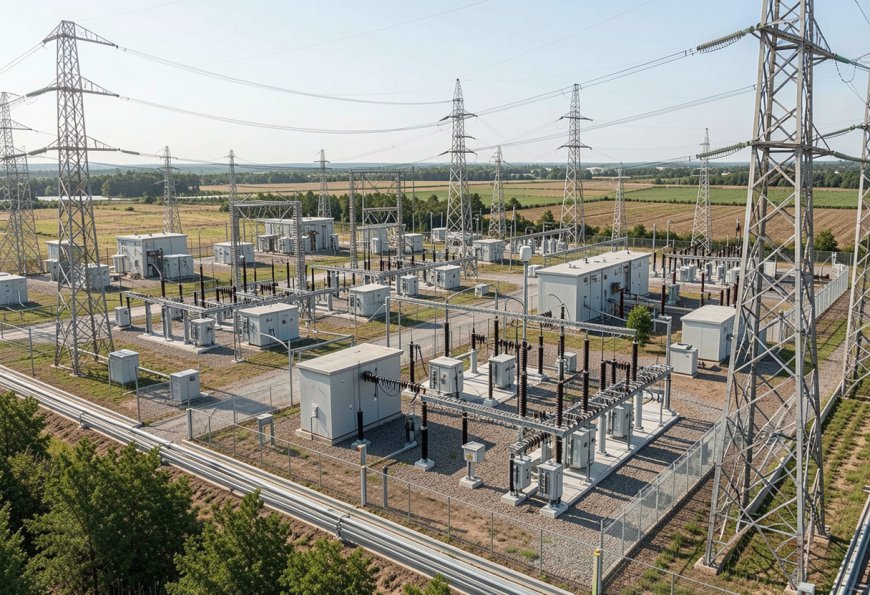
As renewable energy adoption accelerates worldwide, the complexity of integrating solar, wind, and hybrid power sources into existing grids continues to grow. Power system analysis plays a critical role in ensuring that these systems operate efficiently, safely, and reliably. Whether it’s a utility-scale solar farm or a wind energy project, understanding system behavior under various conditions is essential for long-term success.
Modern renewable projects require more than just installation; they demand deep technical evaluation. This is where electrical power system studies become a cornerstone, helping engineers predict performance, minimize risks, and optimize energy delivery.
Importance of System Stability in Renewable Integration
One of the biggest challenges in renewable energy projects is maintaining system stability. Unlike conventional power plants, renewable sources such as solar and wind are inherently variable. Their output depends on environmental conditions, which can fluctuate rapidly.
Power system analysis helps engineers assess voltage stability, frequency control, and fault response. By modeling different scenarios, engineers can ensure that the grid remains stable even when renewable generation changes unexpectedly. This stability is crucial for preventing blackouts and maintaining consistent power quality.
Through advanced analysis power system techniques, engineers can simulate real-world disturbances and design systems that respond effectively to sudden changes.
Load Flow Analysis for Efficient Energy Distribution
Load flow analysis is a fundamental part of any renewable energy project. It determines how electricity flows through the network, identifying voltage levels, power losses, and system efficiency.
In renewable projects, load flow studies help engineers understand how power generated from sources like solar panels or wind turbines will be distributed across the grid. This ensures that energy reaches consumers without overloading equipment or causing voltage drops.
Accurate load flow analysis also supports better planning and expansion. As renewable capacity increases, engineers can use these insights to upgrade infrastructure and maintain optimal performance.
Short Circuit and Fault Analysis for Safety
Safety is a top priority in any power system, especially in renewable energy installations. Short circuit and fault analysis allow engineers to evaluate how the system behaves during electrical faults.
Renewable energy systems often involve complex interconnections, making fault analysis even more critical. By conducting detailed power systems studies, engineers can determine fault currents, select appropriate protective devices, and ensure quick fault isolation.
This not only protects equipment but also enhances personnel safety and minimizes downtime. Proper fault analysis is essential for meeting regulatory standards and ensuring long-term reliability.
Harmonic Analysis and Power Quality Management
Renewable energy systems, particularly those using inverters, can introduce harmonics into the grid. Harmonics are distortions in the electrical waveform that can affect equipment performance and reduce efficiency.
Power system analysis includes harmonic studies to identify and mitigate these issues. Engineers use specialized tools to measure harmonic levels and design filters or corrective measures to maintain power quality.
Maintaining high power quality is essential for sensitive equipment and overall system efficiency. Without proper analysis, harmonics can lead to overheating, equipment failure, and increased operational costs.
Grid Compliance and Regulatory Requirements
Renewable energy projects must comply with strict grid codes and regulatory standards. These requirements ensure that all connected systems operate safely and do not negatively impact the grid.
Power system analysis helps project developers meet these standards by validating system performance before commissioning. Engineers conduct simulations to verify compliance with voltage limits, fault ride-through capabilities, and frequency response requirements.
Using electrical power system studies, developers can identify potential compliance issues early and implement necessary corrections, avoiding costly delays and penalties.
Optimizing Renewable Energy Performance
Beyond safety and compliance, power system analysis plays a key role in optimizing performance. Engineers use data-driven insights to improve system efficiency, reduce losses, and maximize energy output.
For example, analysis power system tools can help determine the best configuration for solar arrays or wind turbines, ensuring maximum energy capture. They can also identify bottlenecks in the system and recommend upgrades or adjustments.
Optimization not only improves energy production but also enhances the financial viability of renewable projects, making them more attractive to investors and stakeholders.
Conclusion
Power system analysis is an indispensable part of renewable energy project development. From ensuring stability and safety to optimizing performance and meeting regulatory standards, it provides the technical foundation for successful integration.
As the demand for clean energy continues to rise, the importance of detailed power systems studies will only grow. By investing in comprehensive analysis and expert engineering, developers can build resilient, efficient, and future-ready energy systems.
For companies like Keentel Engineering, delivering precise and reliable analysis is key to supporting the global transition toward sustainable energy solutions.