Engineering the High-End Pavilion: Structural Secrets of Resort-Style Residential Living
Learn how custom builders use engineered steel spans, recessed sliding tracks, and site contouring to create luxury, open-plan indoor-outdoor family homes.
 LiamLivingston
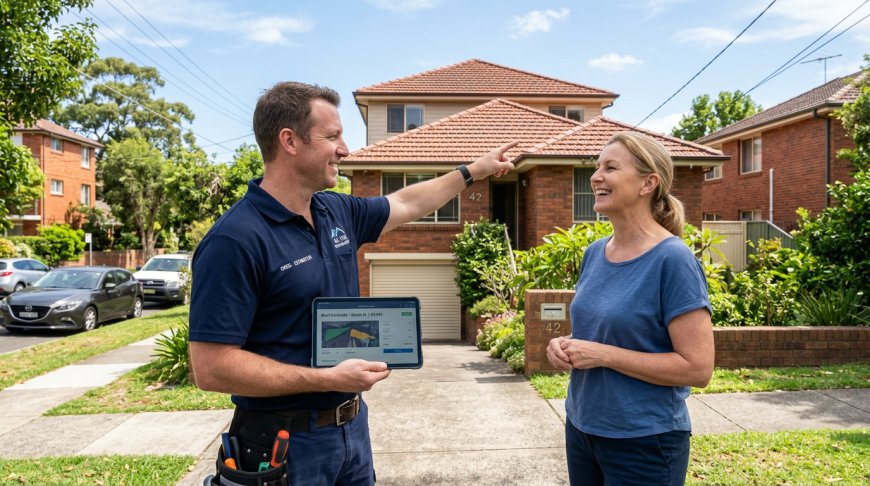
The architectural standard for luxury suburban estates has moved far beyond the traditional, enclosed floor plan. Today’s high-net-worth property owners are looking for a lifestyle rooted in spatial continuity—often referred to as "resort-style living." This design style treats the entire allotment as a single, connected space where interior family rooms and external landscape features merge without any noticeable transition. The goal is to capture the open, breezy feeling of a high-end luxury pavilion while keeping the structural strength, thermal efficiency, and security of a permanent family home.
Achieving this type of seamless flow requires an approach that goes well beyond basic drafting. Volume-built project homes often try to mimic this style by simply bolting a standard porch onto a backyard layout, but true resort-style living demands advanced structural engineering from day one. To create vast, open spaces without relying on thick, view-blocking columns, you need to work with elite design-and-construct professionals. Partnering with specialized
The Engineering Behind Large Architectural Spans
At the heart of any luxury pavilion design is the complete removal of internal load-bearing walls. Traditional home building relies on a series of small, divided rooms to support the roof and upper floor loads. However, to create a true resort-style layout, the central living, dining, and outdoor alfresco spaces need to exist under a single, wide span of continuous ceiling.
To achieve this without cluttering the view with columns, custom builders replace standard timber framing with engineered steel universal beams (UB) and parallel flange channels (PFC). These heavy-duty steel portals are integrated directly into the floor and ceiling cavities. By using steel's superior tensile strength, engineers can create massive clear spans exceeding eight to ten meters. This allows for a completely open floor plan where the main kitchen looks directly past the dining area and out to the pool, framed only by the outer edges of the building itself.
Masterless Transitions: Recessed Tracking and Structural Glass
The true test of any indoor-outdoor layout is the physical threshold where the inside floor meets the outside deck. In standard home construction, this transition features a raised step and a bulky, surface-mounted sliding door track. This creates a permanent visual and physical barrier that breaks the flow of the home and presents a constant tripping hazard.
Custom structural design solves this issue through deep-set, recessed drainage and floor tracking systems. Before pouring the concrete slab, the engineering team creates a specific drop-down rebate along the outer edge of the living zone. This allows the heavy-duty, commercial-grade sliding door tracks to sit completely flush with both the indoor hardwood or tiled floors and the external architectural decking.
-
Integrated Threshold Drainage: A linear, stainless-steel slot drain is built directly into the track system to catch and redirect heavy rainwater before it can reach the interior floor.
-
High-Performance Glazing: Because these layouts feature massive walls of glass, the project utilizes heavy-duty double or triple-glazed panels with low-emissivity (Low-E) coatings. This keeps the home beautifully insulated against seasonal temperature extremes while filling the space with natural light.
Aligning Site Levels for Visual Continuity
Creating an authentic pavilion feel relies heavily on visual continuity, meaning your eye should travel from the front entry straight through to the back boundary line without hitting disruptive changes in level. On varying or sloping suburban blocks, volume builders usually rely on multiple steps that break up the flow of the home.
Bespoke builders approach this by executing precise civil site contouring and engineering. By utilizing stepped slabs or cantilevering the main living floor over the natural slope of the land, the entire main entertainment level can be kept completely flat. This level alignment is carried directly out to the outdoor amenities. Whether you are building an integrated outdoor kitchen, a sunken fire pit lounge, or a concrete infinity-edge pool, the tops of these structures are engineered to line up perfectly with the indoor floor level, maximizing the sense of space and luxury.
Achieving a Flawless Finish with Single-Source Execution
Building a complex, high-performance home with wide steel spans and flush architectural tracks requires flawless coordination between the design desk and the job site. If there is even a tiny mistake in the concrete slab level or the steel beam placement, the large glass panels will not slide smoothly, destroying the resort-style experience.
Managing your project through a unified, single-source design and construction firm like