Fabrication Contractor Bid Checklist: What to Include Before You Sign
Use this fabrication contractor bid checklist to review scope, pricing, materials, and timelines before signing any project agreement.
 sbindustriesllc
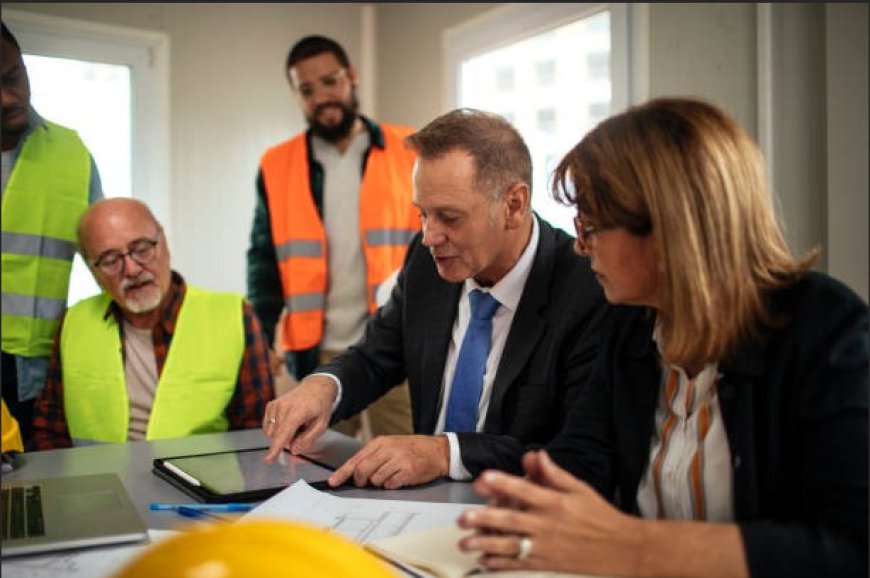
Hiring the right fabrication contractor is a critical step in any construction or metalwork project. Whether you are working on railings, structural frames, or custom builds, the bid you receive should clearly explain what you are getting. A detailed and well-structured bid helps you avoid confusion, hidden costs, and delays later.
Before you sign any agreement, it is important to review the contractor’s bid carefully. This checklist will help you understand what should be included and what to look for.
Key Takeaways
-
A detailed bid from a fabrication contractor should clearly define scope, materials, and responsibilities to avoid confusion later.
-
Material specifications and welding details are critical for ensuring durability and long-term performance.
-
A transparent pricing breakdown helps prevent hidden costs and unexpected expenses.
-
Timeline clarity is essential to keep the project on schedule and avoid delays across other trades.
-
Choosing a contractor with relevant experience, including commercial fabrication or heavy equipment repair, reduces project risk.
Fabrication Contractor Bid Checklist
Clear Scope of Work
The scope of work should explain exactly what the contractor will do. This includes fabrication, installation, finishing, and any additional services.
Make sure the bid covers:
-
Type of fabrication work
-
Materials being used
-
Installation requirements
-
Finishing details
For example, if your project includes aluminum railings, the bid should specify design, size, finish, and installation method.
A reliable fabrication contractor will not leave these details vague.
Material Specifications
Materials play a major role in performance and durability. The bid should clearly list the type and grade of materials being used.
Look for details such as:
-
Steel or aluminum type
-
Thickness and grade
-
Finish or coating
-
Hardware and fittings
If the project involves aluminum welding, the contractor should mention the process and compatibility of materials.
Clear material details help ensure quality and prevent substitutions later.
Welding and Fabrication Details
Not all welding work is the same. The bid should explain how fabrication and welding will be handled.
Check for:
-
Type of welding process
-
Structural or decorative welding
-
Quality standards
-
Finishing and cleanup
This is especially important in projects that involve structural components or custom designs. A skilled fabrication contractor will outline how the work will be completed safely and correctly.
Timeline and Project Schedule
A clear timeline helps you plan the project and avoid delays. The bid should include estimated start and completion dates.
It should also mention:
-
Fabrication time
-
Delivery schedule
-
Installation timeline
If the project is part of a larger build, delays in fabrication can affect other trades. A reliable fabrication contractor will provide realistic timelines, not just optimistic estimates.
Pricing Breakdown
A professional bid should include a detailed cost breakdown. This helps you understand where your money is going.
Look for:
-
Material costs
-
Labor costs
-
Installation charges
-
Additional fees
Avoid bids that only show a total price without explanation. Transparent pricing reduces the risk of unexpected charges.
Experience and Project Type
Not all contractors have the same experience. The bid or proposal should reflect the contractor’s background in similar projects.
For example:
-
Residential vs. commercial fabrication
-
Structural vs. decorative work
-
Experience with railing systems or custom builds
If your project involves heavy equipment repair or modifications, the contractor should have relevant experience in handling such work.
Choosing a contractor with the right experience reduces risk.
Customization and Flexibility
Many projects require adjustments during fabrication or installation. The bid should explain how changes will be handled.
Ask:
-
Are custom modifications allowed?
-
How are changes priced?
-
Will design adjustments affect timelines?
A good fabrication contractor will be flexible while still maintaining quality and cost control.
Quality and Safety Standards
Safety and quality should always be part of the bid. This includes how the work will meet industry standards.
Look for:
-
Welding quality standards
-
Safety practices during fabrication and installation
-
Compliance with local codes
This is especially important for structural work and installations like railings.
Warranty and Post-Project Support
A reliable contractor stands behind their work. The bid should mention any warranty or support offered after completion.
Check for:
-
Warranty on materials
-
Warranty on workmanship
-
Repair or maintenance support
For example, if issues arise later, the contractor may provide services related to heavy equipment repair or structural fixes.
Communication and Contact Details
Clear communication is key to a successful project. The bid should include contact information and points of communication.
Make sure you know:
-
Who is managing the project
-
How updates will be shared
-
How to report issues or changes
A professional fabrication contractor will keep communication open throughout the project.
Final Thoughts
A well-prepared bid reflects the professionalism and reliability of a contractor. It shows that the work has been planned carefully and that there are no hidden surprises.
Before signing, take time to review every section of the bid. Look at scope, materials, welding methods, pricing, and timelines. Whether the project involves aluminum railings, custom fabrication, or commercial fabrication, details matter.
Working with the right fabrication contractor ensures your project runs smoothly, stays on budget, and delivers long-lasting results.
FAQs
1. What should a fabrication contractor's bid include?
It should include the scope of work, material details, welding methods, timeline, pricing breakdown, and warranty information.
2. Why is a clear scope of work important?
It ensures you understand exactly what the contractor will deliver, including fabrication, installation, and finishing.
3. How can I avoid hidden costs in a bid?
Look for a detailed pricing breakdown that includes materials, labor, and additional fees instead of just a total cost.
4. Should welding details be included in the bid?
Yes, the bid should specify welding processes, quality standards, and whether the work is structural or decorative.