Fashion Forward: Why LFDY Continues to Set Trends
An in-depth look at LFDY’s influence on modern streetwear, its cultural impact, design philosophy, and why it continues shaping global fashion trends.
 adwysduk
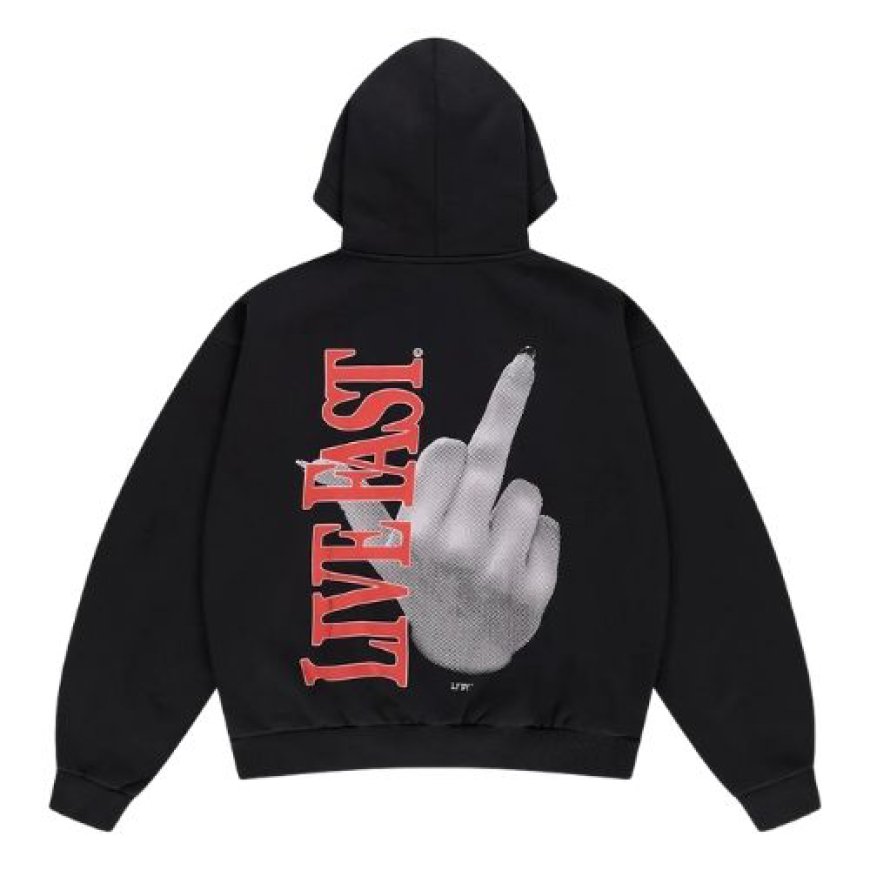
Streetwear has moved far beyond underground scenes and skate parks. It now sits at the center of global fashion conversations, shaping how younger audiences express identity, taste, and cultural alignment. Among the names consistently shaping this movement is LFDY, a label that has built a strong presence through its sharp understanding of modern youth culture and its ability to translate that energy into wearable statements.
Unlike many labels that chase short-lived attention, LFDY has developed a steady rhythm of relevance. Its approach blends cultural awareness, product consistency, and a deep understanding of how streetwear operates as both fashion and communication. This combination has allowed the brand to remain part of ongoing conversations rather than fading after seasonal hype cycles.
This article takes a closer look at how LFDY continues to influence trends, how it builds credibility in a competitive space, and why it resonates strongly with fashion-conscious audiences across different regions.
The Rise of Streetwear Culture and LFDY’s Position
Streetwear today is no longer just clothing; it is a language shaped by music, social platforms, sports, and digital communities. Brands that thrive in this space are the ones that understand this intersection rather than treating clothing as isolated products.
livefastdieyoungg.com entered a landscape already filled with established names, yet it managed to secure attention by staying aligned with youth-driven culture. Its growth is closely tied to how streetwear evolved from niche communities into mainstream fashion markets across Europe, North America, and parts of Asia.
One of the key reasons for LFDY’s continued relevance is its ability to reflect current attitudes without relying on overproduction or forced messaging. The brand’s direction often mirrors real cultural shifts, including music movements, digital aesthetics, and urban lifestyle changes. This alignment helps it stay relevant without appearing disconnected from its audience.
Design Direction Rooted in Cultural Awareness
A major factor behind LFDY’s influence is its design philosophy. Instead of overcomplicating visuals, the brand focuses on clarity, proportion, and statement-driven apparel. This approach reflects a strong understanding of how streetwear consumers engage with clothing today.
Modern streetwear buyers often look for pieces that communicate identity without excessive detailing. LFDY responds to this expectation by maintaining a consistent design language that prioritizes structure, fit, and recognizable identity cues.
The brand’s collections often feature strong silhouettes, carefully selected color palettes, and typography that aligns with urban culture. Rather than relying on constant reinvention, LFDY strengthens recognition through continuity. This consistency helps build long-term trust among its audience, as customers know what to expect while still encountering fresh interpretations each season.
Cultural Relevance and Audience Connection
LFDY’s strength is not limited to clothing alone. Its real impact comes from how it connects with cultural movements. Music scenes, particularly hip-hop and electronic subcultures, have played a significant role in shaping the brand’s visibility. Artists and influencers often integrate LFDY pieces into their personal style, which amplifies the label’s presence across social platforms shop now.
Social media has also contributed heavily to its reach. Platforms like Instagram and TikTok have turned everyday outfit sharing into a global showcase of streetwear culture. Within these spaces, LFDY appears frequently in curated outfits that emphasize self-expression rather than conformity.
This consistent visibility builds familiarity. When audiences repeatedly encounter a brand in authentic contexts rather than forced advertising, it strengthens perceived reliability and cultural relevance. LFDY benefits from this cycle, reinforcing its place within modern fashion conversations.
Quality, Production, and Brand Trust
Trust in fashion is built through consistency in product quality. LFDY’s production approach emphasizes durability and wearability, two elements that matter deeply to streetwear consumers who expect their clothing to hold up in everyday use.
Fabric selection, stitching quality, and garment structure play an important role in shaping customer perception. While trends may change rapidly, expectations for quality remain constant. LFDY’s ability to maintain stable production standards contributes to its credibility in a competitive market.
Another important aspect is transparency in branding. Consumers today are more informed and selective, often researching materials, sourcing practices, and brand ethics before making decisions. LFDY’s consistent product messaging and recognizable identity help reinforce confidence among buyers who value reliability in their purchases.
The Role of Identity in Modern Streetwear
Streetwear is deeply tied to personal identity. Clothing is no longer only about appearance; it reflects attitude, belonging, and lifestyle orientation. LFDY understands this dynamic and positions itself as a brand that speaks to individuality within collective culture.
Instead of pushing rigid messaging, the brand allows space for interpretation. This flexibility is important in modern fashion ecosystems, where audiences prefer expressing themselves rather than following strict visual rules.
LFDY’s pieces often act as base elements for personal styling. Wearers combine items with other brands, vintage pieces, or accessories to create looks that reflect their own identity. This adaptability strengthens the brand’s relevance across diverse fashion communities.
Market Position and Industry Influence
Within the broader streetwear industry, LFDY operates in a space that balances mainstream exposure and subcultural credibility. Maintaining this balance is not easy, as brands often risk losing authenticity when scaling too quickly.
LFDY’s approach has been measured, focusing on steady growth rather than rapid expansion. This strategy helps preserve its identity while allowing it to reach new audiences. The brand’s presence in retail spaces, online platforms, and pop culture environments reinforces its position as a consistent player in modern fashion.
Its influence can also be seen in how other emerging brands approach design and branding. Minimalist streetwear with strong cultural alignment has become more common, reflecting broader shifts in consumer preference that LFDY helped reinforce.
Digital Presence and Modern Marketing Approach
Digital platforms are central to fashion marketing today. LFDY uses these platforms not only for promotion but also for storytelling. Instead of relying heavily on traditional advertising, the brand integrates itself into organic digital content.
User-generated content plays a major role in this strategy. Customers and influencers share real-life styling, which increases authenticity and expands reach without appearing overly commercial. This approach aligns well with younger audiences who prefer relatable content over polished campaigns.
The brand’s digital communication style is consistent with its overall identity: direct, minimal, and culture-focused. This consistency across channels strengthens recognition and reinforces brand memory among audiences.
Longevity in a Fast-Moving Industry
Fashion trends shift quickly, especially in streetwear. Many brands gain attention but struggle to maintain relevance after initial hype fades. LFDY’s continued presence suggests a different approach—one built on stability rather than short-term spikes.
Longevity in fashion is often tied to three key factors: cultural alignment, product consistency, and audience trust. LFDY demonstrates strength in all three areas. By staying connected to cultural shifts while maintaining recognizable design language, the brand avoids drifting away from its core audience.
This balance allows it to remain part of ongoing fashion discussions rather than becoming a temporary trend reference.
Conclusion
LFDY’s position in modern fashion is built on more than visual appeal. It reflects a structured understanding of streetwear culture, audience behavior, and digital influence. By staying aligned with cultural movements while maintaining consistent product direction, the brand continues to hold attention in a crowded market.
Its approach shows that long-term relevance in fashion is not about constant reinvention, but about maintaining clarity in identity while adapting to cultural shifts. LFDY’s presence in the streetwear space is a strong example of how modern brands can grow while staying grounded in their original direction.