From Beams to Mesh: Which Steel Products Does Your Project Need?
 Richardau
Choosing steel for a project can feel surprisingly complicated. You start by thinking, “I just need some steel,” and suddenly you're comparing beams, posts, bars, sheets and galvanised mesh.
The good news? You don't need to memorise every steel section before placing an order. You need to understand what your project requires and why different products are used for different jobs.
A noticeable trend across construction is more careful product selection and planning before materials reach the site. The Australian Steel Institute notes that decisions made during design influence the wider steel supply and procurement process, while clear specifications help reduce misunderstandings and rework.
Start With the Job, Not the Product
Before comparing products from steel supplies Brisbane, begin with a few basic questions:
- What are you building?
- Is the steel carrying structural loads?
- What dimensions are specified?
- Will it be used indoors or outdoors?
- Do you need corrosion protection?
- Does the project require cutting or other preparation?
This sounds obvious, but it's an important shift. Rather than buying steel because a particular product “looks about right,” more customers are working from plans, measurements and specific requirements.
That approach can save time—and prevent the classic moment when a perfectly good piece of steel arrives and turns out to be completely wrong for the job.
When Steel Posts and Beams Come Into the Picture
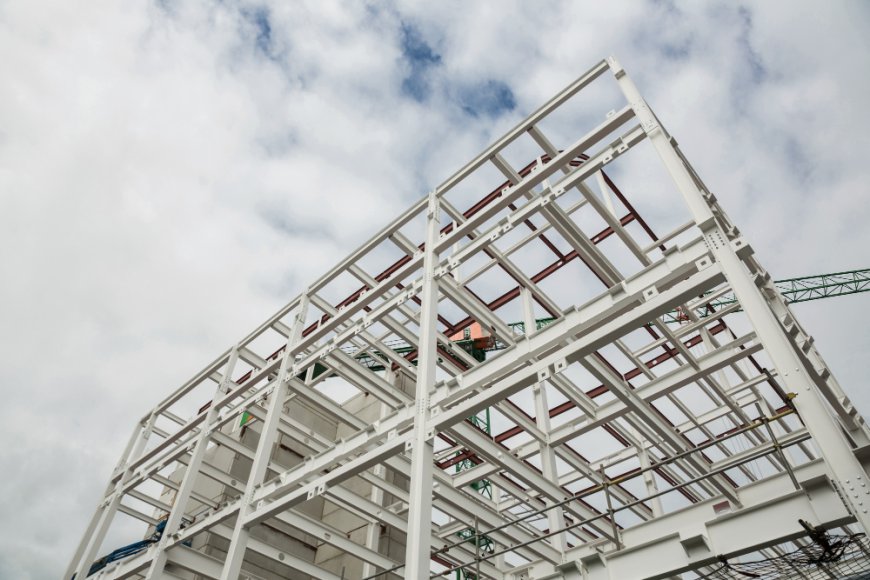
Steel Posts And Beams are commonly associated with projects requiring structural support, such as building frames, extensions, carports and other designed structures.
However, you shouldn't assume that any beam or post can be substituted for another. The Australian Steel Institute explains that structural steelwork specifications and design documentation communicate what materials and products should be used and how the completed structure is expected to perform.
If your project includes load-bearing steel, follow the engineering drawings and specifications. The supplier can help with product availability and preparation, but the project-specific structural choice should come from the appropriate qualified professional.
Beams: Built for a Different Job
A structural beam is generally used to transfer loads across a span. Depending on the design, this could involve products such as Universal Beams, Parallel Flange Channels or other specified sections.
The important thing is that shape matters.
A beam's geometry affects how it performs under the conditions it was designed for. So replacing one section with another simply because they appear similar isn't a safe shortcut.
Think of it like choosing shoes: hiking boots and running shoes both go on your feet, but you probably wouldn't want to swap them halfway up a mountain.
For structural work, the relevant design and material requirements matter. In Australia, ASI guidance identifies AS 4100 and AS/NZS 5131 as key documents within the structural steel design, specification and execution framework.
Posts: Supporting the Structure Below
Steel posts and columns can provide vertical support within a structural system.
The right product may depend on:
- Required loads
- Height
- Connection details
- Project design
- Environmental conditions
Again, bigger isn't automatically better. A larger section may add unnecessary cost, while a smaller section may not meet the design requirements.
This is why your plans should lead the conversation when ordering structural Steel Posts And Beams.
Where Does Galvanised Mesh Fit?
Now for a very different product: galvanised mesh.
Mesh is commonly used in fencing, barriers, enclosures, screens and other applications where an open grid is useful. The galvanised coating can help provide corrosion protection, making it relevant for suitable outdoor applications.
If you're searching for galvanised mesh Brisbane, think about the practical requirements first. Consider:
- The intended application
- Mesh size
- Wire thickness
- Required panel dimensions
- Environmental exposure
- Installation method
Not every project needs the same mesh. A small garden enclosure and a larger commercial fencing application can have very different requirements.
Why Galvanising Is Getting More Attention
Corrosion protection remains an important consideration for steel used in exposed environments. Recent Australian technical specifications continue to address requirements for hot-dip galvanising, including the 2026 Austroads specification update that accommodates the 2025 edition of AS/NZS 4680.
That doesn't mean every steel product needs the same protective finish. The appropriate protection depends on the application and environment.
For example, steel installed in a sheltered indoor location faces different conditions from steel exposed to ongoing moisture and weather.
So, before ordering galvanised mesh, ask not only “What size do I need?” but also “What conditions will this product face?”
One Project Can Need Several Steel Products
This is where buying steel becomes interesting. A single project may require completely different products for completely different purposes.
Imagine you're planning an outdoor structure.
You might need:
- Steel Posts And Beams for the main support system
- RHS or SHS sections for specified parts of the frame
- Galvanised mesh for a surrounding enclosure
- Flat bar or angle for brackets and smaller components
- Steel sheets for panels or other finishes
The trick isn't finding one product that does everything. It's matching each product to its intended role.
The Trend Towards More Accurate Steel Orders
One of the clearest trends is a move towards better preparation before ordering.
Instead of arriving at a supplier with a rough idea and hoping for the best, more customers are preparing:
- Product lists
- Exact dimensions
- Cutting requirements
- Quantities
- Engineering specifications
- Delivery details
The ASI says clear specifications and design documentation help the supply chain understand the required materials and expected performance, reducing misunderstandings and rework.
For you, this can mean a smoother ordering process and fewer surprises later.
How to Choose the Right Steel Products
Before contacting steel supplies Brisbane, work through this simple checklist.
1. Identify the purpose
What job does each piece of steel need to perform?
2. Check the specifications
If the project has engineering drawings or a material schedule, use them.
3. Confirm dimensions
Check lengths, widths, thicknesses and section sizes before ordering.
4. Consider the environment
Outdoor and exposed steel may need appropriate corrosion protection.
5. Ask about preparation
Cutting and other services may help reduce additional work on site.
6. Plan transport
Long and heavy steel sections require suitable collection or delivery arrangements.
Why Your Supplier Conversation Matters
When you contact a supplier, more information usually leads to a better conversation.
Instead of saying, “I need some steel for a shed,” you can provide:
- The product or section specified
- Required dimensions
- Quantity
- Required finish
- Any cutting requirements
- Your pickup or delivery needs
That gives the supplier a clearer picture of what you need.
The Australian Steel Institute also emphasises the importance of traceability and compliance documentation within the structural steel supply chain, particularly for structural products.
Don't Let Appearance Make the Decision
A common mistake is judging steel by appearance alone.
A thick steel bar might look stronger than a hollow section, while a mesh panel might seem too light for a particular task. But appearance doesn't tell you everything about suitability.
The right choice depends on the product's properties and intended use.
That's especially important when comparing structural products. Engineering design considers factors that aren't always visible at first glance, including loads, connections and overall structural behaviour.
In other words, steel selection is not a “pick the toughest-looking one” competition.
Where My Advice Has Limits
This guide can help you understand the broad differences between beams, posts, mesh and other products, but it cannot tell you exactly which steel section your individual project requires.
The correct product can depend on:
- Structural loads
- Span lengths
- Engineering design
- Site conditions
- Connection details
- Relevant Australian requirements
For load-bearing or safety-critical work, follow the project documentation and seek advice from an appropriately qualified professional.
Final Thoughts: Steel Buying May Become More Precise
The future of steel supply appears to be moving towards more accurate ordering, clearer specifications and better coordination between design, supply and construction.
You may increasingly see projects ordering materials closer to their required dimensions and planning deliveries around installation schedules. At the same time, products such as galvanised mesh Brisbane and structural Steel Posts And Beams will continue to serve very different purposes.
What's still unclear is how quickly this more precise approach will become standard for smaller projects and DIY customers.
For now, the smartest approach is straightforward: start with the job, check the specifications and then choose the steel product that suits the work.
From heavy beams to lightweight mesh, every product has its place. Your job is simply to make sure it ends up in the right one.