Global Food Cans Market Size, Trends, and Strategic Insights 2026-2033
 coherentmarket
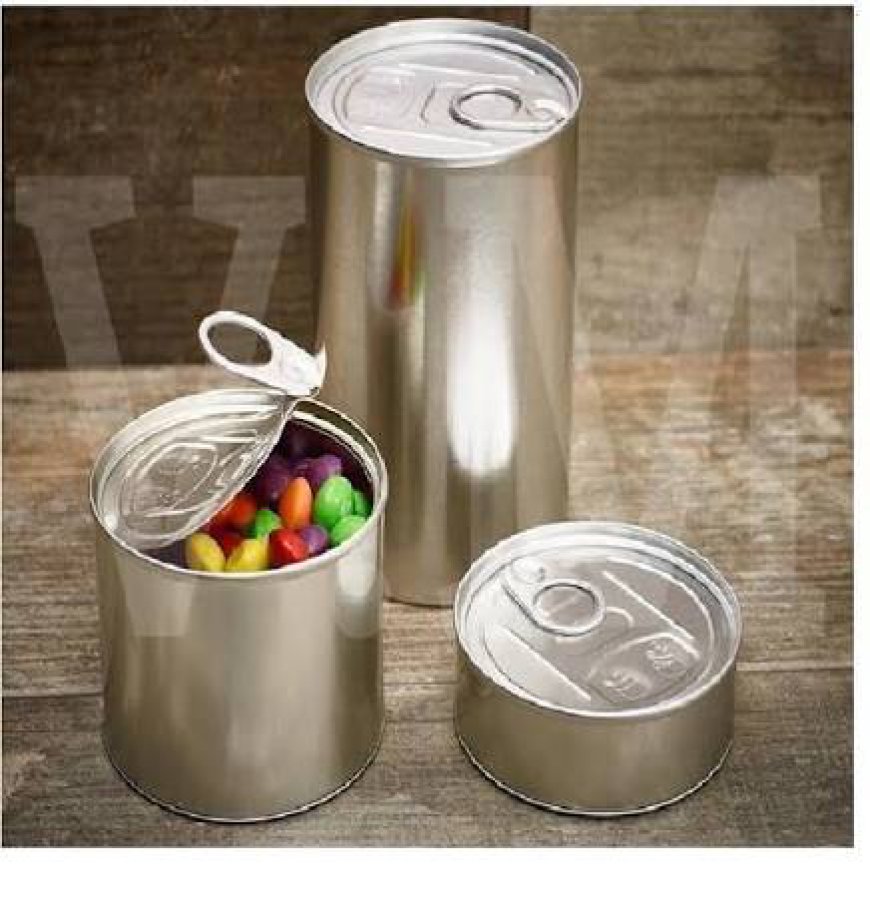
The food cans industry is experiencing a robust phase of expansion, driven by increasing consumer demand for convenient and sustainable packaging solutions. This growth trajectory reflects evolving market dynamics where innovation and regulatory changes significantly influence business growth and industry size. The comprehensive analysis of the food cans market size and trends demonstrates valuable insights into future developments shaping the sector’s competitive landscape.
Market Size and Overview
The Global Food Cans Market is estimated to be valued at USD 26.59 Bn in 2025 and is expected to reach USD 36.67 Bn by 2032 , growing at a compound annual growth rate (CAGR) of 4.7% from 2025 to 2032.
This Global Food Cans Market Growth underscores strong demand in both emerging and developed regions fueled by changing consumer preferences toward packaged food, extended shelf life, and cost-effective preservation methods. A detailed market report highlights the expanding industry size driven by increasing consumption of canned vegetables, fruits, and ready-to-eat meals.
Market Segments
In terms of product type, the market is segmented into tinplate, aluminum, and bi-metal food cans. Tinplate holds dominance due to its cost-effectiveness and recyclability, accounting for major market revenue in 2024. Aluminum cans are the fastest-growing sub-segment, benefiting from lightweight and sustainability trends, with several companies reporting double-digit growth in aluminum can shipments in 2025. The end-user segment includes processed food manufacturers, beverage companies, and pet food producers. Among these, processed food dominates thanks to urbanization and rising demand for packaged meals, while the pet food sub-segment is rapidly expanding due to increasing pet ownership globally.
Market Drivers
A key market driver fueling the food cans market growth is the increasing emphasis on sustainability and recyclable packaging solutions. In 2024, policy developments across North America and Europe mandated higher recyclability standards, prompting market players to innovate product designs and materials. For instance, over 70% of global food cans introduced in 2025 incorporated increased recycled content, aligning with circular economy goals. This development enhances the market scope and opens new market opportunities in sustainable packaging solutions, creating a competitive advantage for early adopters.
Segment Analysis
Focusing on the product type segment, tinplate food cans remain the dominant contributor to market revenue, valued at approximately USD 12 billion in 2025. However, aluminum cans registered the highest CAGR of 7.2% during the forecast period, driven by widespread adoption in ready-to-eat and beverage applications. For example, a major food company’s 2024 campaign leveraging aluminum cans for eco-conscious consumers boosted sales by 15%, reflecting shifting consumer preferences. This segment analysis reveals the market dynamics where innovation in lightweight packaging significantly influences business growth.
Consumer Behaviour Insights
Recent studies in 2024 indicate a marked shift towards digital consumption habits affecting purchase decisions in the food cans market. Consumers increasingly rely on online reviews and social media for product validation, accelerating demand for transparent labeling and sustainability claims. Pricing sensitivity remains significant, with over 60% of surveyed consumers balancing cost with product quality, especially in emerging markets. Additionally, customization trends are rising, where consumers prefer personalized packaging, driving adoption of flexible food can designs that support branding and consumer engagement strategies.
Key Players
Key market players influencing the food cans market include Ardagh Group, Ball Corporation, CAN-PACK S.A., Crown Holdings, Silgan Holdings, and Sonoco Products Company. During 2024-2025, these companies undertook aggressive market growth strategies such as capacity expansions and strategic regional entries. For example, Ball Corporation expanded its aluminum can production facilities in Asia, resulting in a 20% increase in market revenue from that region. Similarly, Ardagh Group launched a new line of eco-friendly food cans in 2025 that rapidly gained traction in Europe due to strong sustainability demand.
Key Winning Strategies Adopted by Key Players
An innovative strategy includes Crown Holdings’ 2025 initiative to integrate AI-driven manufacturing processes that reduced waste by 12%, enhancing cost efficiency and environmental compliance. Similarly, Silgan Holdings’ adoption of advanced laser labeling technology in 2024 facilitated rapid customization with minimal cost increase, improving customer retention rates by 8%. Another impactful approach was Sonoco Products Company’s targeted investment in biodegradable lining materials in 2025, positioning them as pioneers in sustainable food cans, which expanded their customer base in health-conscious markets. These market growth strategies showcase the value of technology and sustainability as differentiators.
FAQs
1. Who are the dominant players in the Food Cans market?
The dominant players include Ardagh Group, Ball Corporation, CAN-PACK S.A., Crown Holdings, Silgan Holdings, and Sonoco Products Company, all of which have expanded capacities and innovated product offerings in 2024-2025.
2. What will be the size of the Food Cans market in the coming years?
The food cans market size is forecasted to grow from USD 26.59 billion in 2026 to USD 36.67 billion by 2032, reflecting a CAGR of 5.0%.
3. Which end-user industry has the largest growth opportunity?
The processed food segment offers the largest growth opportunity, driven by increasing consumption of packaged convenience foods and demand for extended shelf-life products.
4. How will market development trends evolve over the next five years?
Market trends point towards increased adoption of sustainable materials, digital customization, and growth of aluminum cans due to their lightweight and recyclable properties.
5. What is the nature of the competitive landscape and challenges in the Food Cans market?
The competitive landscape is characterized by technological innovation and capacity expansion, with challenges focused on raw material price volatility and regulatory compliance for sustainability.
6. What go-to-market strategies are commonly adopted in the Food Cans market?
Key strategies include investments in sustainable packaging technologies, regional capacity expansions, and digital customization features to address evolving consumer preferences and market dynamics.
‣ Get more insights on : Food Cans Market
‣ Get this Report in Japanese Language: 食品缶詰市場
‣ Get this Report in Korean Language: 식품캔시장
‣ Read More Related Articles - Japan Rail Freight Transport: The Backbone of Japan's Logistics Industry
Author Bio:
Kalpesh Gharte is a senior consultant with approximately 5 years of experience in the consulting industry. Kalpesh holds an MBA in Operations and Marketing Management, providing him with a strong foundation in market strategy and analysis. He has contributed to various consulting and syndicated reports, delivering valuable insights that support informed business decisions.