Live Classroom vs. Self-Paced Videos: What Actually Builds Digital Marketing Skill
 247digitalmarketingcourse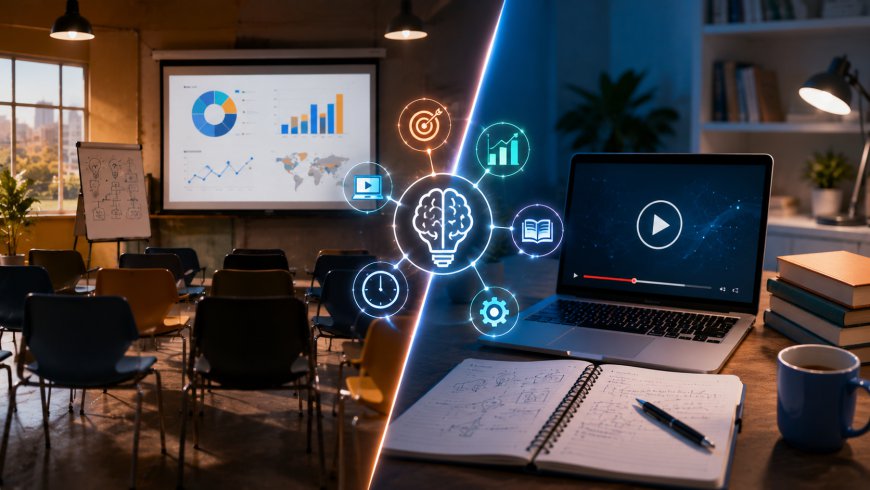
Anyone researching how to learn digital marketing today runs into an overwhelming number of options recorded video libraries, subscription platforms with hundreds of pre-recorded lectures, YouTube playlists promising to teach SEO in a weekend, and in-person, instructor-led programs that meet on a fixed schedule. They all claim to teach the same subject, but they produce very different outcomes. This post looks honestly at why the format you choose to learn matters just as much as the content itself, and why live, in-person training tends to produce more genuinely job-ready marketers than self-paced video courses alone.
The Problem with Learning Alone
Self-paced video courses have real strengths, flexibility, low cost, and the ability to pause and rewind a concept as many times as needed. But digital marketing isn't a purely informational subject like history or literature, where absorbing facts is most of the work. It's an applied skill, closer to learning to drive or cook, where watching someone else do it correctly only gets you partway there. You can watch a dozen videos on structuring a Google Ads campaign and still freeze the first time you're staring at a live account, unsure which setting will waste your client's budget.
The bigger issue is feedback, or the lack of it. When you build a campaign on your own after watching a tutorial, there's no one checking your targeting logic, questioning your keyword choices, or catching the small mistake that would have quietly drained an ad budget. You only find out something was wrong when results disappoint and by then, the lesson has cost real money or a missed opportunity, not just class time.
What Changes in a Live Classroom
A live, instructor-led environment closes that feedback gap directly. When you set up a campaign structure and an instructor with real industry experience looks at it before it goes live, mistakes get caught at the cheapest possible point before they cost anyone anything. This kind of real-time correction is nearly impossible to replicate through a recorded video, no matter how well-produced it is, because a video can't respond to what you specifically did wrong.
There's also a pacing benefit that's easy to underestimate. Self-paced courses rely entirely on the learner's own discipline to keep moving, and it's extremely common for people to start strong, get busy, and quietly abandon a course halfway through often without ever building anything close to a full campaign. A structured live schedule, with fixed class times and expectations, keeps momentum going in a way that pure self-motivation often struggles to sustain over months.
Peer Learning Is an Underrated Advantage
Sitting in a room with other learners asking questions you hadn't thought to ask, sharing their own campaign struggles, comparing notes on which ad creative performed better in their practice project adds a layer of learning that solo video-watching simply doesn't offer. Hearing a classmate's mistake, and the instructor's explanation of why it happened, often teaches a concept more memorably than reading about it in isolation. This kind of peer exposure also builds a small professional network early, which matters more than most beginners expect once they start job hunting or looking for freelance referrals.
Accountability Changes Behavior
There's a psychological difference between "I'll watch this course when I have time" and "class starts at 9 AM and my project is due on Monday." Deadlines and scheduled sessions create a kind of accountability that self-paced formats rarely replicate. Most people, honestly, learn faster and finish more thoroughly when someone else is expecting something from them by a specific date not because they lack discipline, but because external structure removes the constant, quiet decision of "should I study today or push it to tomorrow."
Where Online Learning Still Has a Place
None of this means recorded content is worthless. It's genuinely useful for quick refreshers, staying current on a platform update, or revisiting a specific concept after you've already built the foundation through structured, feedback-driven training. The strongest marketers tend to use both: a solid live foundation early on, followed by ongoing self-directed learning to keep pace with a field that changes constantly. The mistake is treating self-paced video content as a substitute for that initial foundation rather than a supplement to it.
What to Look for in a Live Program
Not every in-person or live-online program delivers the advantages described above. A live class that's just an instructor reading slides for two hours offers little more than a recorded video would, minus the ability to pause. The programs worth choosing are the ones built around actual practice where you're setting up real or simulated campaigns, getting specific feedback on your work, and leaving with a portfolio project rather than just notes. If you're comparing digital marketing classes in ahmedabad, the deciding factor shouldn't be whether the sessions are live, but whether those live sessions are genuinely interactive and feedback driven.
It's also worth checking batch size directly. A live session with sixty participants and no individual feedback loses most of the advantage over a well-produced video course. Smaller, instructor-accessible batches are where the real benefit of live training shows up.
The Bottom Line
Format matters more in a hands-on field like this than people initially assumed. A well-structured digital marketing course in ahmedabad, taught live with real feedback and practical projects, tends to produce learners who can walk into a job or a freelance client relationship with genuine confidence not just familiarity with terminology. Video content has its place as a supplement, but for the foundational stage of building this skill, learning alongside an experienced instructor at a proper digital marketing institute in ahmedabad remains difficult to replace, simply because feedback, accountability, and peer learning are hard to manufacture on your own.
If you're deciding how to start, the honest question to ask isn't just "what will I learn," but "who will catch my mistakes while they're still cheap to fix." That question, more than any curriculum outline, tends to reveal which learning format will get your job ready.