Hammer Mill Grinder Buying Guide: Features to Consider Before Purchasing
Choosing the right Hammer Mill Grinder is one of the most important decisions for businesses involved in biomass processing, recycling, agriculture, and industrial material size reduction.
 ecostan
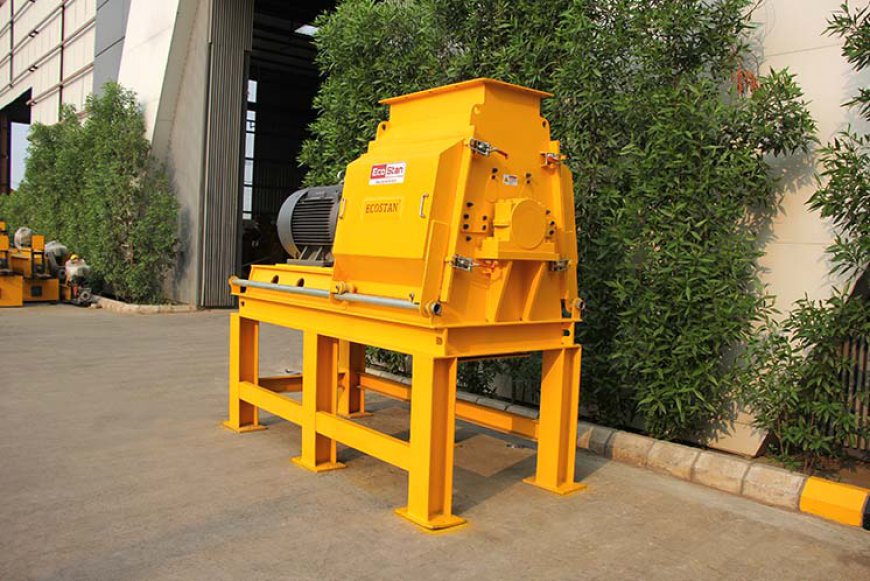
Choosing the right Hammer Mill Grinder is one of the most important decisions for businesses involved in biomass processing, recycling, agriculture, and industrial material size reduction. A high-quality hammer mill improves productivity, reduces operational costs, and ensures consistent output for downstream processes such as briquetting, pelletizing, or drying.
Whether you are processing wood waste, agricultural residue, crop stalks, sawdust, or other biomass materials, selecting the right machine can significantly improve your production efficiency. However, with numerous models and specifications available in the market, finding the ideal machine requires careful evaluation.
This comprehensive buying guide explains the essential features to consider before purchasing a Hammer Mill Grinder, helping you make an informed investment.
What is a Hammer Mill Grinder?
A Hammer Mill Grinder is a machine designed to reduce large pieces of material into smaller particles using rapidly rotating hammers. As the material enters the grinding chamber, the hammers repeatedly strike it until it becomes small enough to pass through a screen.
The machine is widely used in industries such as:
- Biomass fuel production
- Wood recycling
- Agriculture
- Animal feed manufacturing
- Briquette production
- Pellet manufacturing
- Waste management
- Biofuel processing
Its versatility makes it one of the most valuable machines in biomass processing plants.
Why Choosing the Right Hammer Mill Grinder Matters
Purchasing a grinder without considering your production requirements may result in:
- Low grinding efficiency
- Higher maintenance costs
- Increased energy consumption
- Poor particle consistency
- Frequent machine downtime
- Reduced production capacity
A properly selected Hammer Mill Grinder ensures maximum performance, lower operating costs, and long-term reliability.
1. Material Compatibility
The first factor to evaluate is the type of material you intend to process.
Different hammer mills are designed for different feedstocks, including:
- Wood chips
- Sawdust
- Rice husk
- Wheat straw
- Paddy straw
- Bamboo
- Coconut shell
- Groundnut shells
- Corn stalks
- Cotton stalks
- Bagasse
- Forestry waste
If your business handles multiple raw materials, choose a machine capable of processing various biomass types without compromising efficiency.
2. Production Capacity
Production capacity should match your daily operational requirements.
Hammer mills are available in different capacities ranging from small-scale production to large industrial applications.
Before purchasing, calculate:
- Raw material availability
- Daily processing target
- Future expansion plans
- Production shifts
- Required output per hour
Buying a machine with slightly higher capacity allows room for future business growth.
3. Motor Power
Motor power directly affects grinding performance.
Higher horsepower enables the machine to process harder materials more efficiently while maintaining consistent production.
Selecting the correct motor depends on:
- Material hardness
- Moisture content
- Required particle size
- Production capacity
A properly sized motor ensures stable operation and minimizes unnecessary energy consumption.
4. Particle Size Control
Uniform particle size is essential for briquetting and pellet manufacturing.
Most hammer mills allow particle size adjustment through interchangeable screens.
Benefits of adjustable screens include:
- Better briquette quality
- Improved pellet density
- Consistent combustion
- Easier downstream processing
- Reduced material waste
Always verify the available screen sizes before purchasing.
5. Rotor Speed
Rotor speed determines the impact force generated by the hammers.
A properly balanced rotor offers:
- Faster grinding
- Uniform particle size
- Reduced vibration
- Lower wear and tear
- Better productivity
Machines with optimized rotor designs generally provide higher operational efficiency.
6. Hammer Quality
The hammers perform the actual grinding, making their quality extremely important.
Look for:
- High-strength alloy steel
- Wear-resistant materials
- Easy replacement design
- Long operational life
Premium hammer quality reduces replacement frequency and maintenance costs.
7. Durable Construction
Industrial grinding environments are demanding.
Choose a Hammer Mill Grinder constructed with heavy-duty steel frames capable of handling continuous operation.
Strong construction provides:
- Longer service life
- Better stability
- Reduced vibration
- Improved operator safety
- Lower maintenance requirements
Robust construction is especially important for large-scale biomass plants.
8. Energy Efficiency
Electricity represents a major operating expense in biomass production.
Modern hammer mills are designed to maximize output while minimizing power consumption.
Energy-efficient machines offer:
- Lower electricity bills
- Higher productivity
- Better return on investment
- Reduced environmental impact
Compare energy consumption before making your final decision.
9. Maintenance Requirements
Simple maintenance increases equipment uptime.
Before purchasing, check whether the machine provides:
- Easy hammer replacement
- Quick screen changing
- Accessible lubrication points
- Easy cleaning
- Readily available spare parts
Low-maintenance equipment reduces operational interruptions.
10. Dust Collection System
Grinding biomass generates significant dust.
An efficient dust collection system improves:
- Workplace cleanliness
- Operator safety
- Air quality
- Material recovery
- Equipment life
Machines integrated with cyclone separators or dust collection systems are often preferred for industrial applications.
11. Noise and Vibration Control
Industrial grinders naturally produce noise, but modern machines include vibration-reducing designs.
Features to look for include:
- Dynamic rotor balancing
- Heavy-duty bearings
- Stable machine frame
- Precision manufacturing
Reduced vibration increases machine lifespan and improves operator comfort.
12. Safety Features
Safety should never be overlooked.
Choose machines equipped with:
- Emergency stop systems
- Overload protection
- Safety guards
- Secure feeding mechanisms
- Reliable electrical protection
These features protect both operators and equipment.
13. Spare Parts Availability
Downtime becomes costly when replacement parts are difficult to obtain.
Before buying, ensure the manufacturer offers:
- Genuine spare parts
- Technical assistance
- Installation support
- Maintenance guidance
- Long-term service availability
Reliable after-sales support significantly improves equipment lifespan.
Applications of a Hammer Mill Grinder
Modern hammer mills serve multiple industries due to their flexibility.
Common applications include:
- Biomass fuel manufacturing
- Agricultural residue processing
- Wood waste recycling
- Pellet plant preparation
- Briquetting plant feed preparation
- Animal feed grinding
- Organic fertilizer production
- Bioenergy projects
A hammer mill grinder for biomass fuel production prepares raw materials into a uniform size, ensuring higher briquette and pellet quality while improving combustion efficiency.
Similarly, a hammer mill grinder for wood waste recycling helps convert wood chips, branches, pallets, furniture scraps, and forestry residues into reusable biomass, reducing landfill waste and supporting sustainable resource utilization.
Questions to Ask Before Purchasing
Before finalizing your purchase, ask the supplier:
- What materials can the machine process?
- What is the hourly production capacity?
- How often do hammers require replacement?
- Are spare parts readily available?
- What is the expected maintenance schedule?
- Is installation support provided?
- What warranty is included?
- Can the machine be customized for specific applications?
These questions help avoid costly mistakes.
Final Thoughts
Purchasing the right Hammer Mill Grinder is an investment that directly impacts production efficiency, operating costs, and product quality. By evaluating factors such as capacity, motor power, hammer quality, energy efficiency, safety features, maintenance requirements, and material compatibility, businesses can choose equipment that delivers reliable long-term performance.
Conclusion
Ecostan Machines is a trusted manufacturer of advanced biomass processing equipment, offering innovative solutions for industries focused on renewable energy and sustainable waste management. With a strong commitment to quality, engineering excellence, and customer satisfaction, Ecostan Machines provides high-performance machinery designed for durability, efficiency, and consistent output. From biomass preparation to complete processing solutions, the company continues to help businesses maximize productivity while supporting environmentally responsible operations.