Hibachi at Home on Long Island and the Rise of Experiential Dining
 crazyhibachicatering
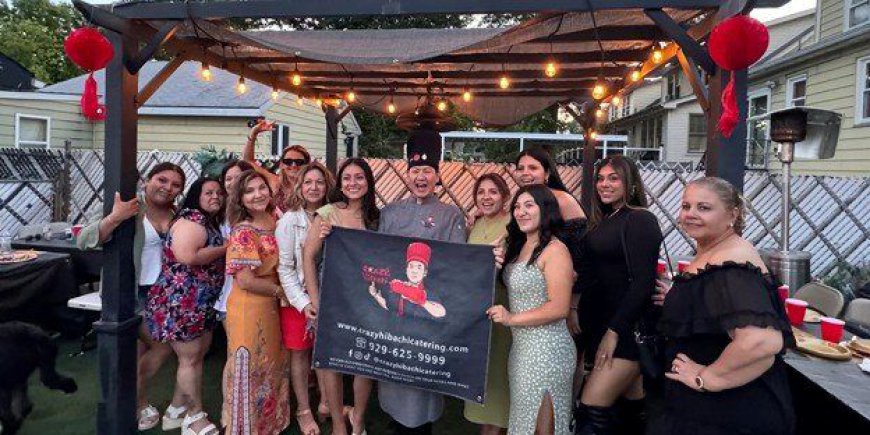
Consumer expectations around dining have shifted significantly over the past decade. Convenience remains important, but convenience alone is no longer enough. Increasingly, people are seeking experiences that feel memorable, personal, and worth sharing with friends and family.
That shift helps explain the growing interest in hibachi at home on Long Island. What was once associated primarily with restaurant dining is now becoming part of a broader movement toward experience-led entertaining. Rather than separating food from social interaction, modern hosts are looking for ways to combine both.
Across Long Island, from Nassau County neighborhoods to communities along the North Shore and South Shore, private dining experiences are increasingly being viewed as an extension of hospitality itself. The trend reflects deeper changes in how people gather, celebrate, and spend discretionary income.
Why Traditional Entertaining Is Being Reconsidered
For years, entertaining followed a familiar formula. Hosts either reserved tables at restaurants or managed the entire food preparation process themselves.
Both options carry limitations.
Restaurant gatherings often create logistical challenges involving reservations, transportation, parking, and scheduling. Home entertaining offers greater flexibility but frequently transfers significant responsibility to the host.
This tension has created demand for alternatives that preserve convenience while delivering a more engaging social atmosphere.
The growing popularity of at-home culinary experiences reflects a broader consumer preference for participation rather than passive consumption. Guests increasingly value events where food preparation becomes part of the experience rather than remaining hidden behind kitchen doors.
What appears to be a simple dining choice is actually connected to larger behavioral changes influencing hospitality, travel, entertainment, and leisure spending.
How Hibachi at Home in Long Island Aligns With Modern Consumer Behavior
The appeal of at-home hibachi in Long Island extends beyond the food itself.
Several consumer trends help explain its growing relevance:
- Personalization has become a priority.
Consumers increasingly prefer experiences tailored to specific groups, preferences, and occasions.
- Time has become more valuable.
Many households are willing to invest in experiences that reduce planning complexity while increasing enjoyment.
- Social interaction is evolving.
In-person gatherings now compete with countless digital entertainment options, making memorable shared experiences more valuable.
- Experience spending continues to grow.
Research across hospitality and tourism sectors consistently shows consumers prioritizing experiences over material purchases.
These factors collectively create an environment where interactive dining experiences naturally attract attention.
The trend is not simply about food. It reflects a changing definition of what successful entertaining looks like.
The Economics of Experience Over Excess
One misconception surrounding private dining experiences is that they are primarily luxury purchases.
The reality is often more nuanced.
Many households today evaluate spending based on perceived value rather than simple cost. A celebration that combines food, entertainment, and social engagement may replace multiple separate expenditures.
This value equation has become increasingly important as consumers scrutinize discretionary spending more carefully.
Behavioral economists often describe this phenomenon as experience concentration. Rather than spreading budgets across multiple activities, consumers increasingly favor fewer experiences that generate stronger memories.
The hospitality industry has been responding to this shift for years.
From boutique hotels to curated travel itineraries, successful offerings increasingly focus on creating memorable moments rather than simply delivering products.
At-home dining experiences fit naturally within that framework.
Why Long Island Provides Unique Conditions for Growth
Geography plays a larger role in dining trends than many observers realize.
Long Island possesses several characteristics that support the popularity of residential entertainment experiences.
Many communities feature:
- Larger outdoor living spaces
- Backyard entertaining culture
- Family-centered social traditions
- Multi-generational gatherings
- Frequent seasonal celebrations
These characteristics create natural opportunities for experiential dining formats.
Unlike dense urban environments where space can be limited, many Long Island households have the physical capacity to accommodate interactive culinary events comfortably.
There is also a strong culture of hosting celebrations at home.
Birthdays, graduation parties, anniversaries, family reunions, and neighborhood gatherings remain important social traditions throughout the region.
The growing interest in interactive dining experiences reflects the evolution of these traditions rather than their replacement.
The Operational Shift Behind the Trend
Most discussions focus on consumer demand, yet operational innovation deserves equal attention.
Advancements in portable cooking equipment, event logistics, scheduling systems, and service coordination have made specialized dining experiences significantly more accessible than they were a decade ago.
This evolution mirrors broader developments throughout hospitality.
Many service models that once depended on fixed locations are becoming increasingly mobile and flexible.
Consumers now expect personalization without sacrificing convenience.
Businesses across multiple industries have responded by bringing experiences directly to customers rather than requiring customers to travel to them.
The dining sector is undergoing a similar transformation.
What once required a dedicated restaurant environment can now occur in a variety of settings while maintaining consistency and quality.
How Social Media Quietly Changed Expectations
Another under-discussed factor is the influence of visual culture.
Social media has fundamentally altered how people think about gatherings and celebrations.
Hosts increasingly seek experiences that create moments worth remembering, photographing, and discussing long after the event ends.
Importantly, this is not merely about online sharing.
The deeper shift involves memory creation.
Consumers increasingly judge experiences by how distinctive they feel compared with routine activities.
An evening that combines food preparation, live interaction, and group participation naturally generates stronger memories than more passive dining formats.
The result is a growing emphasis on experiences that engage multiple senses simultaneously.
Food becomes part of a larger narrative rather than the sole focus.
Looking Ahead: The Future of Residential Dining Experiences
Several early signals suggest continued growth in personalized dining experiences over the next three to five years.
First, younger consumers are demonstrating strong interest in experience-based spending patterns. Research across multiple consumer sectors indicates that memorable experiences often outperform material purchases in long-term satisfaction.
Second, remote and hybrid work arrangements continue to reshape social behavior. More gatherings are occurring closer to home, increasing demand for elevated residential entertainment options.
Third, consumers increasingly expect customization in nearly every category, from travel to wellness to dining.
These developments suggest that experiential dining will likely continue evolving rather than fading.
The future is unlikely to be defined by larger events. Instead, it may be characterized by more intentional, personalized gatherings that prioritize quality interaction over scale.
Recognizing What the Trend Really Represents
The rise of hibachi-style dining experiences at home reflects something larger than a culinary preference.
It illustrates how modern consumers increasingly evaluate value through the lens of connection, convenience, and memorable experiences. Across Long Island, dining is becoming less about where food is served and more about how people engage with one another while sharing it.
The most important shift may not be culinary at all. It is social. As consumers continue seeking meaningful ways to gather, experiences that transform ordinary meals into shared occasions are likely to remain relevant long after the novelty factor fades.