Hidden Spy Apps for Android and Privacy Protection
Hidden Spy Apps for Android and Privacy Protection
 williamnodge
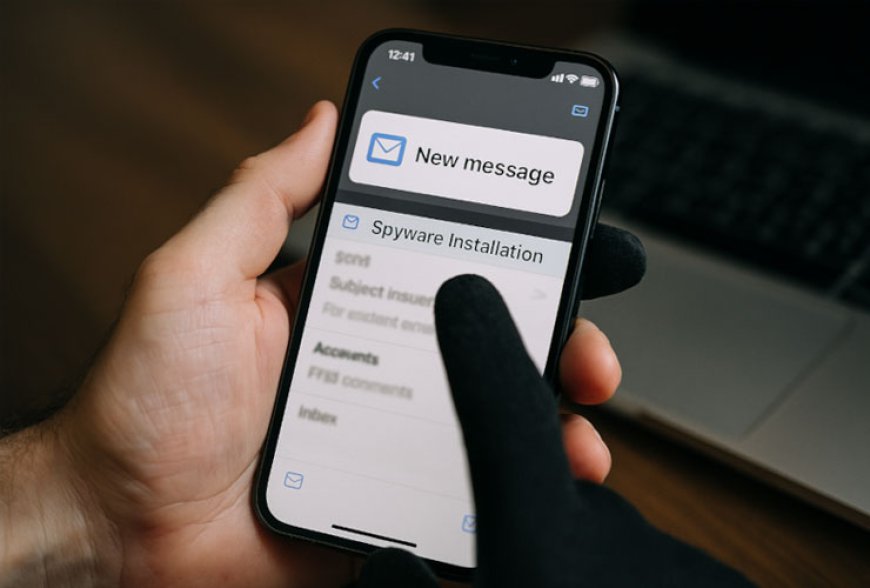
Understanding Hidden Spy Apps for Android
Hidden spy apps for Android can monitor information from a device when they have access to sensitive permissions. Some may collect best phone spy apps for android location details, files, contacts, or other activity. Users should understand these risks because unknown monitoring software can affect privacy, security, and personal control over important information stored on smartphones.
How Android Spy Apps Create Risks
Android spy apps can become dangerous when installed without the owner's knowledge or meaningful consent. They may expose private conversations, photographs, location information, or account details. Users should therefore review applications regularly and pay attention to unusual changes. Awareness is an important first step toward protecting personal information.
Best Spy Apps for Android 2026 Searches
Searches for the best spy apps for Android 2026 may lead users toward many monitoring applications. Before considering any software, check its purpose, developer, permissions, privacy policy, and reputation. Legitimate monitoring tools should operate transparently. Avoid applications that encourage secret surveillance or request excessive access without a clear reason.
Checking Unfamiliar Android Applications
One practical method for identifying hidden spy apps for Android is checking the complete installed application list. Look for unfamiliar names, recently added software, and programs you do not remember installing. Research suspicious applications carefully before removing them because some system components may have unfamiliar names but perform important functions.
Examining Android App Permissions
Permissions are useful when investigating Android spy apps. Review which applications can access your microphone, camera, location, contacts, files, and other sensitive information. An application should only receive permissions that match its purpose. Restrict unnecessary access when possible, especially for applications that rarely need sensitive device features.
Spy Apps to Look Out For
Spy apps to look out for Android users may sometimes be linked with unusual battery consumption, increased data usage, overheating, or unexpected performance problems. These signs do not automatically mean spyware is installed. However, several unusual symptoms appearing together can justify checking recent installations, permissions, updates, and account activity.
Using Android Security Features
Keeping Android updated is an important security habit. System updates can address known weaknesses, while application updates may improve security and stability. Google Play Protect can also help identify potentially harmful applications. Users should keep available security protections enabled and avoid installing software from suspicious websites or untrusted download sources.
Protecting Your Phone From Surveillance
Strong device security can reduce the chance of unwanted access. Use a secure screen lock and avoid giving your phone to people you do not trust. Protect important accounts with strong passwords and two-factor authentication. Regularly review signed-in devices and remove unfamiliar sessions to strengthen overall personal security.
What to Do When Something Looks Suspicious
If you notice a suspicious application, first investigate what it does and why it is installed. Review its permissions and use trusted security tools for additional information. If you believe your accounts may be exposed, change important passwords from another trusted device. Technical support can help with complicated security problems.
Conclusion: Better Android Privacy Habits
Learning about hidden spy apps for Android can help users recognize privacy risks before they become serious. Regular application reviews, permission checks, software updates, and strong account protection provide useful safeguards. Rather than using secret surveillance, choose transparent technology and responsible security practices that respect consent and protect personal information.