Important Things to Know Before Buying Baby Clothes in Bulk
Learn what to consider before buying baby clothes in bulk, including fabric quality, safety, sizing, suppliers, pricing, samples, inventory and delivery.
 pradip08
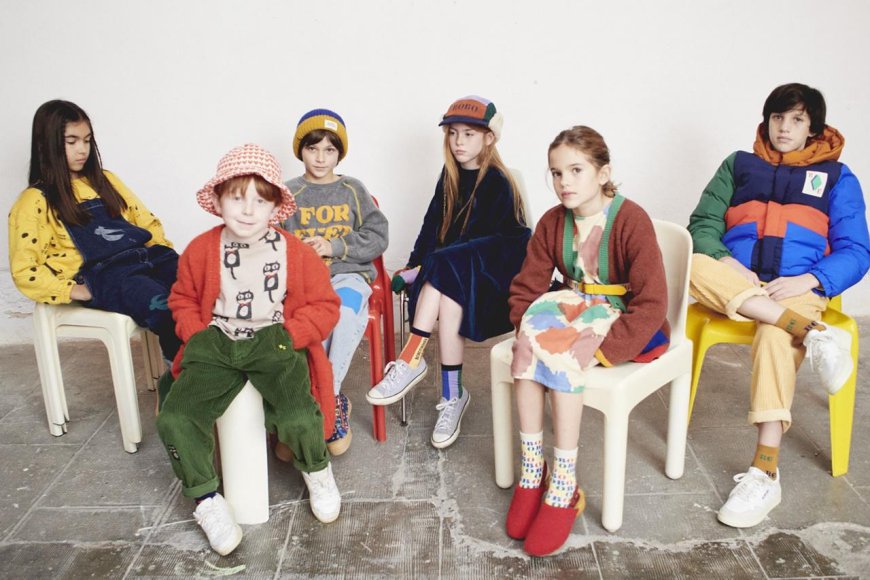
Buying baby clothes in bulk can be a practical and cost-effective option for retailers, wholesalers, online sellers, and growing children's clothing businesses. Larger orders may offer better pricing and help maintain a steady supply of popular products. However, bulk purchasing also involves greater financial risk, so careful planning is essential before placing a large order.
Baby clothing requires particular attention because infants need garments that are soft, comfortable, practical, and carefully made. A product that looks attractive in a catalog may not necessarily meet the quality expectations of parents. Businesses should therefore evaluate suppliers, fabrics, sizing, safety, quality, pricing, and delivery before committing to bulk quantities.
Here are the most important things to know before buying baby clothes in bulk.
Understand Your Target Customers
Before ordering anything, determine exactly who your customers are. Baby clothing can cover newborns, infants, and young toddlers, and each group has different requirements.
Parents shopping for newborn clothing may prioritize softness, easy dressing, comfortable closures, and practical designs. Customers buying clothes for older babies may be more interested in everyday durability, attractive prints, colors, and designs.
Your target market also affects your price range. Decide whether you want to offer budget-friendly basics, mid-range everyday clothing, premium products, or a combination of categories.
Understanding your customers first will make it easier to choose the right products and quantities.
Choose Fabrics Carefully
Fabric quality is one of the most important considerations when buying baby clothing. Babies have delicate skin, so garments should feel comfortable and avoid unnecessary irritation.
Soft and breathable fabrics are often preferred for everyday baby clothing. Cotton is widely used, although other materials and blends may be appropriate depending on the garment and climate.
Do not evaluate fabric based only on photographs. Request physical samples and check the softness, weight, texture, stretch, and overall construction. It is also useful to wash samples according to their care instructions to see whether the material shrinks, fades, or loses its shape.
Pay Attention to Safety
Safety should be a major priority when sourcing baby clothing. Small components, loose threads, poorly attached buttons, unsuitable cords, and decorative elements can create concerns, especially for very young children.
Inspect samples carefully. Check that buttons, snaps, fasteners, and decorative components are securely attached. Examine seams and edges for rough finishing that could cause discomfort.
You should also understand the product safety and labeling requirements applicable to the market where you plan to sell the garments. Choose suppliers who take these requirements seriously and can provide clear information about their materials and production processes.
Check the Garment Construction
Good fabric alone does not guarantee a good product. The garment must also be properly constructed.
Examine stitching, seams, hems, collars, cuffs, waistbands, fasteners, and other finishing details. Baby clothes may be washed frequently, so weak stitching can quickly become a problem.
Look for clean and consistent stitching without loose threads or uneven seams. A well-constructed garment is more likely to maintain its appearance and functionality over repeated use.
Understand Baby Clothing Sizes
Sizing can be challenging when buying baby clothes in bulk. Different manufacturers may use different measurements even when garments are labeled for the same age range.
Ask the supplier for a detailed size chart and compare actual garment measurements. Consider measurements such as chest, waist, shoulder width, sleeve length, and garment length where relevant.
If you are building your own clothing brand, create standardized measurements that your supplier can follow for future production. Consistent sizing can reduce customer complaints and returns.
Request Samples Before Bulk Production
Never place a large order with a new supplier without reviewing samples first.
A sample gives you an opportunity to assess the actual product quality. Examine the fabric, stitching, measurements, colors, prints, embroidery, labels, fasteners, and finishing.
If you find problems, discuss them with the supplier before production begins. You may need to request modifications or another sample before approving the final design.
A small investment in sampling can prevent much larger financial losses later.
Research the Manufacturer
Your choice of manufacturer can influence almost every aspect of your bulk purchase. Research the supplier's experience, reputation, production capacity, quality control, and communication.
If you are sourcing from India, an experienced garments manufacturing company in kolkata may be an option to consider if the supplier has suitable expertise in baby apparel and can meet your quality, quantity, customization, and delivery requirements.
Ask potential suppliers about their previous work and manufacturing capabilities. If possible, begin with a smaller order before establishing a larger purchasing relationship.
Understand Minimum Order Quantities
Manufacturers usually set a minimum order quantity, commonly called MOQ. The required quantity can vary depending on the garment, fabric, design, and supplier.
A high MOQ may provide a lower unit cost but can increase inventory risk. This is particularly important for new businesses that are still learning which products customers prefer.
Choose order quantities based on realistic demand rather than purchasing more simply because the price per garment decreases at higher volumes.
Compare the Complete Cost
The quoted garment price is not necessarily your final cost. Consider every expense associated with the purchase.
Depending on your arrangement, costs may include manufacturing, customization, labels, packaging, transportation, taxes, warehousing, and other charges.
When comparing suppliers, calculate the overall cost per garment. A supplier offering a slightly higher price may still provide better value if they offer higher quality, fewer defects, better communication, and more reliable delivery.
Plan Your Product Mix
Bulk buying requires careful selection of styles, colors, and sizes. Ordering too many variations can make inventory management difficult.
Start with products that have a clear purpose and fit your target market. You may choose everyday essentials such as bodysuits, rompers, T-shirts, sleepsuits, dresses, or coordinated sets depending on your business.
Analyze previous sales data if available. Products that consistently perform well can form the foundation of future bulk purchases.
Consider Seasonal Demand
Baby clothing demand can change depending on weather, holidays, festivals, and shopping seasons.
Lightweight clothing may be more suitable for warmer months, while sweaters, jackets, and layered garments may perform better during colder periods.
If you plan to sell seasonal collections, place your bulk orders early enough to allow time for sampling, manufacturing, quality inspection, transportation, and distribution.
Late ordering can lead to missed sales opportunities or rushed production.
Check Packaging and Labeling
Packaging may seem like a small detail, but it can influence how customers perceive your products.
Ask your supplier about individual garment packaging, labels, tags, size information, washing instructions, and branding options.
If you are selling under your own brand, make sure the labels and packaging match your specifications. Consistent presentation can make your products appear more professional and recognizable.
Inspect the Bulk Order
When your shipment arrives, inspect the products before putting them into your store or online inventory.
Check quantities, sizes, colors, designs, packaging, and overall quality. Look for damaged garments, stains, stitching problems, incorrect measurements, or other inconsistencies.
If there are issues, document them and communicate with the supplier promptly. Early inspection gives you a better opportunity to resolve problems.
Plan Storage Properly
Bulk purchasing means you will need suitable storage space. Baby clothing should be stored in a clean, dry environment away from moisture, dust, pests, and direct sunlight.
Organize garments by product type, size, color, and design. Good organization makes stock management easier and helps you identify which products need replenishment.
Proper storage also helps protect garments from damage before they reach customers.
Build a Long Term Supplier Relationship
Once you identify a supplier that consistently meets your expectations, consider developing a long-term professional relationship.
A manufacturer who understands your products, quality requirements, sizing, and delivery expectations can make future orders more efficient.
Continue communicating clearly and maintain approved samples and product specifications for reference. This can help maintain consistency as your order quantities increase.
Final Thoughts
Buying baby clothes in bulk can provide valuable opportunities for retailers and clothing businesses, but it should never be approached as a simple price-based purchase. Quality, safety, fabric, sizing, manufacturing, MOQ, inventory, and delivery all need careful consideration.
Start by understanding your customers and product requirements. Research potential suppliers, request samples, compare complete costs, and begin cautiously with a manageable order when working with a new manufacturer.
The right supplier and a well-planned purchasing strategy can help you maintain consistent quality, manage inventory effectively, and provide baby clothing that parents feel comfortable buying. With careful sourcing and regular quality checks, bulk purchasing can become an important part of building a reliable and successful baby clothing business.