How Hot and Cold Therapy Can Support Post-Workout Recovery
Discover how hot and cold therapy can support post-workout recovery, promote relaxation, and refresh tired muscles. Learn how combining both approaches can create a balanced wellness routine at home.
 revitalice
Exercise places physical demands on muscles, joints, and the cardiovascular system. After an intense workout, the body needs time to recover and adapt to the training stimulus. Recovery involves rest, hydration, nutrition, stretching, and other supportive practices. Hot and cold therapy has become a popular addition to many recovery routines because temperature-based treatments can provide a refreshing way to relax the body after physical activity.
Benefits of Cold Therapy After Exercise
Cold therapy is commonly used after demanding workouts, particularly when the body feels tired or overheated. Exposure to cold water can create a cooling sensation that may help athletes feel refreshed following exercise. The cold environment also encourages people to focus on controlled breathing and relaxation. Many fitness enthusiasts incorporate short cold-water sessions into their routines after training, especially following endurance activities, strength sessions, or high-intensity workouts.
How Heat Supports Muscle Relaxation
Heat therapy offers a different approach to recovery. Warm water can create a comforting environment that helps the body relax after exercise. Spending time in warm water may encourage relaxation in muscles that feel tight after physical activity. It can also become a useful part of an evening recovery routine, helping individuals unwind after a demanding training session. Unlike cold therapy, heat is generally associated with comfort and relaxation, making it an appealing option after the body has cooled down naturally.
Combining Hot and Cold Therapy
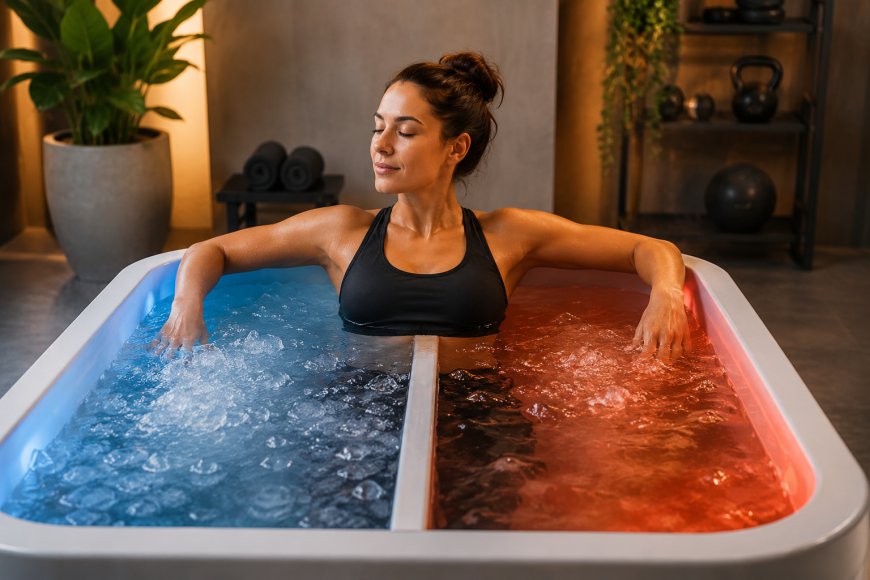
Using both temperature approaches can create a balanced recovery routine. Cold therapy provides a refreshing and invigorating experience, while heat therapy offers warmth and relaxation. Some people alternate between the two based on their workout intensity and personal preferences. The key is to keep sessions comfortable rather than treating temperature exposure as a competition. Beginners should start with shorter sessions and moderate temperatures while paying attention to how their body responds.
Making Recovery Part of Your Routine
Consistency is often more important than complicated recovery methods. A practical routine can include a gentle cooldown, adequate hydration, nutritious meals, quality sleep, and appropriate rest between demanding workouts. Hot and cold therapy can complement these habits rather than replace them. It is also important to avoid extreme temperatures or prolonged exposure, particularly for beginners. Anyone with an underlying health concern should seek professional medical advice before introducing intense temperature-based therapies.
Creating a Convenient Home Recovery Experience
Having access to hot and cold therapy at home can make recovery easier to incorporate into a regular fitness schedule. Instead of relying on separate facilities, a dedicated setup can provide flexibility around workout times and personal routines. A convenient system can also allow users to choose between cooling down after exercise and relaxing in warm water later. With the right approach, temperature therapy can become an enjoyable addition to a broader recovery plan.
For those looking to bring both options together in one convenient setup, the Revitalice Duo Hot & Cold Tub offers a practical solution for incorporating hot and cold water therapy into a home wellness routine. Having access to both temperature settings can make it easier to tailor each session according to personal comfort and recovery preferences, creating a versatile space for relaxation and post-workout recovery.