How Physiotherapy & Rehabilitation Oakville Helps You Recover Faster
 Oakville Physiotherapy Centre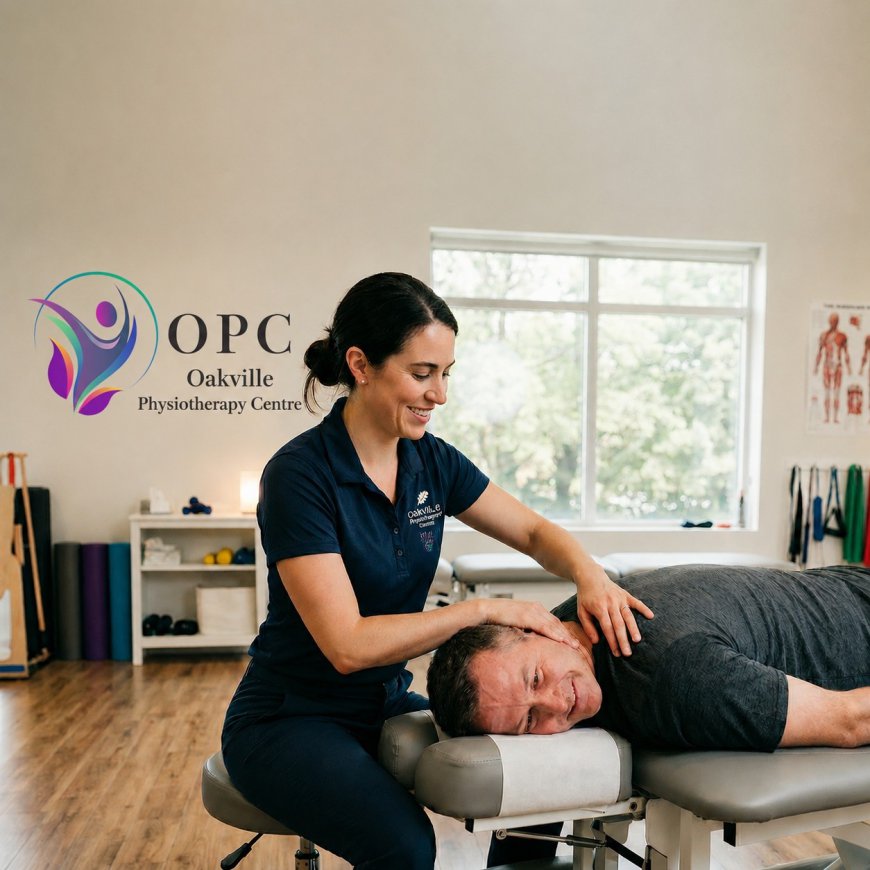
Recovering from an injury, surgery, or ongoing pain can feel overwhelming when you are unsure what the next step should be. Many people expect healing to happen with time alone, only to find that stiffness, weakness, or discomfort continues for much longer than expected. This guide explains how physiotherapy & rehabilitation Oakville can help you recover more efficiently by restoring movement, reducing pain, and helping you return to your normal activities with confidence. By understanding what happens during rehabilitation and why each stage matters, you will be better prepared to make informed decisions about your recovery.
Recovery Is More Than Waiting for Pain to Improve
The body has an incredible ability to heal, but healing does not always mean returning to normal function. After an injury or surgery, muscles become weaker, joints lose mobility, and everyday movements can become difficult. If these problems are not addressed early, they may lead to long-term limitations that affect work, exercise, and daily life.
Physiotherapy focuses on restoring how your body moves rather than simply waiting for symptoms to disappear. Every treatment session is designed to help you regain strength, improve flexibility, and rebuild confidence in movement while respecting the body's natural healing process.
Why Early Rehabilitation Makes a Difference
One of the biggest factors that influences recovery is how soon rehabilitation begins. Guided movement introduced at the appropriate stage helps maintain joint mobility, reduce stiffness, and improve circulation. These benefits support the healing process while reducing the risk of secondary problems caused by inactivity.
Early rehabilitation also allows your physiotherapist to identify movement patterns that could slow recovery. Small adjustments in walking, standing, lifting, or climbing stairs can reduce unnecessary stress on healing tissues and make daily activities more comfortable.
Instead of relying on trial and error, you receive professional guidance that matches your stage of recovery and helps you progress safely.
Every Recovery Plan Should Be Personalised
No two people recover at the same pace. Factors such as age, general health, previous injuries, activity level, and the type of procedure all influence rehabilitation.
A personalised treatment plan begins with a detailed assessment of your current condition, movement, pain levels, strength, and functional goals. Your physiotherapist then develops a program that evolves as your body improves. Exercises are adjusted regularly to provide the right level of challenge without overloading healing tissues.
This structured approach keeps recovery moving forward while reducing the risk of setbacks.
The Importance of Pre and Post Surgery Physiotherapy
Preparing for surgery is just as important as recovering afterwards. pre and post surgery physiotherapy helps patients build strength, improve joint mobility, and learn exercises before their procedure. Entering surgery with better physical function often makes the recovery process smoother.
Following surgery, rehabilitation focuses on reducing swelling, restoring movement, rebuilding strength, and improving balance. Progress is based on how your body responds rather than following a fixed timeline. This approach supports a safer return to everyday activities while helping patients regain confidence throughout the recovery process.
Recovering Safely After Surgery
Many patients believe they should avoid movement after an operation because they are worried about damaging the surgical area. In reality, carefully guided rehabilitation is an important part of healing for many procedures.
post surgery physiotherapy provides structured exercises that are introduced at the appropriate stage of recovery. Treatment may also include manual therapy, mobility exercises, balance training, and education on safe movement during daily activities.
As recovery progresses, exercises become more challenging to rebuild strength, improve endurance, and prepare you for returning to work, recreational activities, or sports when appropriate.
What to Expect After Knee Replacement
A successful operation is only the beginning of recovery. Regaining strength, flexibility, balance, and normal walking patterns requires consistent rehabilitation over several weeks and months.
knee replacement physiotherapy focuses on restoring knee movement while gradually improving muscle strength around the joint. Patients often begin with gentle mobility exercises before progressing to strengthening, balance training, stair practice, and functional activities.
Each phase builds on the previous one, allowing patients to achieve meaningful improvements while reducing unnecessary strain on the healing joint. Regular assessments also help ensure recovery continues at an appropriate pace.
Building Confidence Along With Physical Recovery
Physical healing is only one part of successful rehabilitation. Many people become hesitant to move after experiencing pain or surgery. This fear often leads to reduced activity, slower progress, and unnecessary frustration.
A physiotherapist provides reassurance by explaining what is expected during recovery and guiding each stage safely. As strength and mobility improve, confidence usually increases as well. Patients become more comfortable performing everyday tasks because they understand how to move safely and recognise the progress they have already made.
This combination of physical improvement and growing confidence often leads to better long-term outcomes.
Recovery Is a Process, Not a Race
It is natural to compare your recovery with someone else's, but every individual heals differently. The goal is not to recover as quickly as possible at any cost. The goal is to recover properly so that you can return to your normal lifestyle with strength, stability, and confidence.
Following a structured rehabilitation plan, attending regular physiotherapy sessions, and staying consistent with prescribed exercises all contribute to steady progress. Small improvements made consistently often lead to lasting results that support better movement and overall quality of life.
A Structured Recovery Leads to Better Outcomes
Recovering from injury or surgery requires more than patience. It requires the right guidance, a personalised treatment plan, and steady progression based on your body's needs. Physiotherapy helps restore movement, rebuild strength, and improve confidence so that you can safely return to the activities that matter most to you.
Whether you are preparing for surgery or working toward recovery afterwards, early rehabilitation and consistent professional support can make a meaningful difference in how well and how comfortably you recover.