How Summer Creativity Programs Keep Kids Learning and Engaged
 julialubey
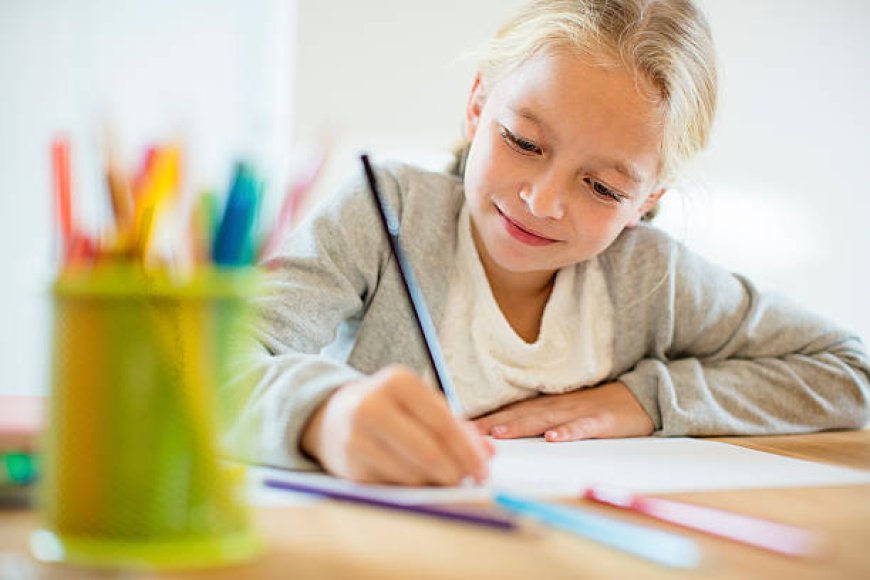
Summer has a funny way of making kids forget everything they learned during the school year. Give them a few weeks off and suddenly multiplication tables, reading habits, and problem-solving skills can feel very far away. That’s why many parents start looking for art summer camps near me in CA when school ends. These programs give children something exciting to do, but they also keep their brains active without making summer feel like another classroom. Learning still happens, just in a different way.
Why Creative Summer Programs Matter for Kids
A good summer creativity program is not just about keeping children busy while adults handle work and daily responsibilities. That’s part of it, sure, but there’s more going on. Kids learn by trying things, making mistakes, and figuring stuff out. A creative environment gives them room to experiment without worrying about getting every answer right.
Art, music, crafts, drama, and hands-on projects all encourage children to think differently. They start asking more questions. They become more comfortable sharing ideas. Sometimes a quiet kid who doesn’t say much in school will suddenly explain a painting or a project with total confidence. That’s a big deal.
The best programs don’t feel like forced learning. They feel like fun. But underneath the fun, children are building focus, patience, communication skills, and confidence. Those skills carry over when they return to school.
How Art Camps Help Kids Stay Curious During Summer
One thing that stands out about creative camps is the freedom kids get. In regular school, there are usually specific rules and expected answers. Creative programs are different. A child can start with one idea and end up somewhere completely unexpected. That process matters.
When kids create something with their own hands, they feel ownership. It could be a painting, a sculpture, a story, or even a simple craft project. They look at it and think, “I made this.” That feeling builds confidence in a way worksheets usually can’t.
Creative activities also help children slow down. These days, kids are surrounded by screens, quick entertainment, and constant distractions. Sitting down to draw, build, or design something takes focus. It teaches them that good things sometimes take time. Sounds simple, but honestly, that lesson is huge.
Building Social Skills Through Creative Activities
Another underrated part of summer creativity programs is the social side. Kids aren’t only learning from instructors. They’re learning from each other too. They share supplies, work together on projects, give opinions, and sometimes deal with disagreements.
Not every interaction goes perfectly. That’s normal. A child might not like a teammate’s idea or might have to adjust their own plan. Those small moments teach flexibility and teamwork. Real life works that way.
Group creativity also helps children make new friends. Summer can feel long for kids who don’t have regular school routines. Being around others with similar interests makes it easier for them to connect.
Creative Learning Keeps Kids Engaged Without Pressure
Parents often worry about summer learning loss, and it’s a fair concern. But keeping kids engaged doesn’t always mean buying extra workbooks or creating a strict study schedule. Sometimes the smarter move is giving them activities that naturally challenge their minds.
Creative programs combine imagination with learning. A child making a model might be learning about design and planning. A child writing a short play is practicing language skills. A child creating artwork is making choices about colors, shapes, and storytelling.
It doesn’t always look like education from the outside. That’s actually the point. Kids absorb more when they are interested. If they enjoy what they’re doing, they’re more likely to stick with it.
What Parents Should Look For in a Summer Creativity Program
Not every program is the same. Some are great, and some are just a place to drop kids off for a few hours. Parents should look for programs where children are encouraged to explore instead of just following instructions all day.
A strong creativity camp should have experienced teachers, a safe environment, and activities that match different ages and skill levels. Kids don’t all create in the same way. Some love painting. Others enjoy building things, performing, or trying new materials.
It’s also worth looking for programs that balance structure and freedom. Too much structure kills creativity. Too little structure can turn things messy fast. The sweet spot is somewhere in between.
Finding the Right Creative Experience for Your Child
The right program depends on the child. Some kids need a place where they can be more social. Others need an outlet where they can quietly focus and express themselves. A quality art class for kids can give them that space while helping them develop skills they might not even realize they are building.
Parents shouldn’t feel pressured to find the “perfect” activity either. Sometimes the best choice is simply letting kids try something new. They might discover a talent, a hobby, or just a new way to enjoy their time.
The bigger picture is that creativity gives children a healthy way to learn, explore, and grow during the summer months. It keeps their minds moving while still allowing them to have fun. That balance is what makes these programs valuable.
Conclusion
Summer creativity programs give kids more than something to do when school is out. They help children stay curious, confident, and connected. Learning doesn’t stop when the classroom doors close. Sometimes it happens with a paintbrush, a messy project, or a new idea that comes out of nowhere. And honestly, those are often the moments kids remember the most.