Dust Collector Filter Trends for 2026: Smarter Filtration for Modern Manufacturing
Manufacturing floors are changing. Tighter emission rules, higher energy costs, and the push for less downtime are forcing plants to look harder at their dust collection. The old “set it and forget it” approach does not cut it anymore
 tomasfryklof
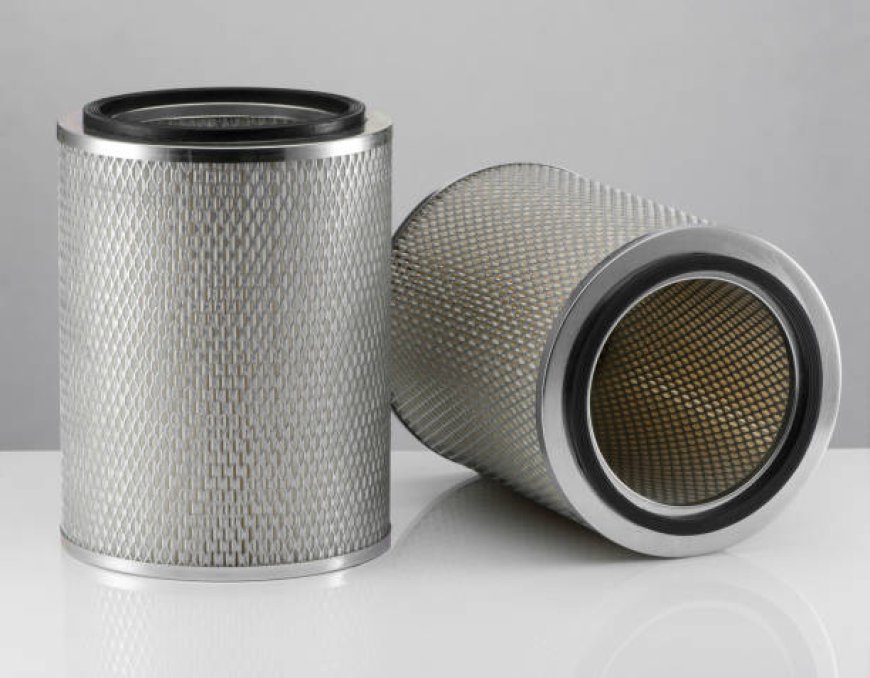
Manufacturing floors are changing. Tighter emission rules, higher energy costs, and the push for less downtime are forcing plants to look harder at their dust collection. The old “set it and forget it” approach does not cut it anymore. In 2026 the dust collector filter is getting smarter, lasting longer, and tying into the rest of the plant systems.
I have watched shops still running decade-old media and wondering why the pressure never settles and the power bill keeps climbing. The new options fix a lot of that. Here is what is actually moving the needle this year.
Smarter monitoring is becoming standard
Sensors on the collector now track differential pressure, airflow, and pulse counts in real time. Some systems push the data to a phone or a plant dashboard. You get an alert before the filter blinds completely instead of finding out when the fan is screaming.
Predictive maintenance is the next step. The software looks at trends and tells you when a change is coming. Less emergency shutdowns. Less guessing. Plants that add this stuff usually cut unplanned downtime and stop changing filters too early or too late.
Nanofiber and membrane media keep improving
Surface-loading media is no longer exotic. Nanofiber layers and PTFE membranes catch finer dust while keeping pressure drop lower. That means the fan works less hard and uses less power. Cleaning cycles are shorter and less frequent because the dust stays on the surface instead of packing into the depth of the media.
For welding fume, laser dust, or battery materials this is a big deal. Efficiency stays high from the first hour. Filter life stretches out. Energy numbers look better on the monthly report.
Energy use is under the microscope
The fan is the biggest power draw on most dust collectors. Lower pressure drop from better dust collector filter media helps. Variable frequency drives that match airflow to actual demand help more. Some plants recirculate cleaned air back into the building instead of dumping it outside and then reheating or cooling makeup air.
Those changes add up. Shops that track the numbers see real dollar savings and lower carbon numbers. It is not just about compliance anymore. It is about running leaner.
Sustainability shows up in the media itself
More manufacturers are looking at recyclable or longer-life filter materials. Fewer changeouts mean less waste headed to the landfill. Some media can handle higher dust loads without failing early. That reduces the total number of cartridges or bags a plant buys and throws away each year.
The same efficiency mindset shows up in coolant recycling systems on the machining side. Clean the fluid, reuse it longer, cut disposal volume. Dust collection is following a similar path. Keep the media working longer and the whole system costs less over time.
Modular and retrofit-friendly designs
Older collectors do not always need a full replacement. New cartridge designs drop into existing housings. Sensors can be added without tearing the whole unit apart. Plants that cannot afford a big capital project still get better performance by upgrading the dust collector filter and the controls around it.
This matters in brownfield sites where floor space and downtime are limited. You improve what you have instead of starting over.
Fine dust and new materials drive higher specs
Battery plants, EV component work, and advanced materials create dust that is finer and sometimes more hazardous. Standard media struggles. HEPA-grade or high-MERV cartridges with nanofiber are showing up more often. Explosion protection and antistatic features are getting tighter scrutiny too.
If your process has changed in the last few years, the old filter rating may no longer be enough. Checking the particle size and the current exposure limits is worth the time.
Integration with the rest of the plant
Dust collection used to sit off by itself. Now it talks to the building management system or the production schedule. Airflow can ramp up when a process starts and drop when it stops. Some sites link it with other fluid systems so maintenance is coordinated. A coolant recycling system and a dust collector both need attention on a schedule. Doing them together saves labor.

The data from the sensors also feeds into overall equipment effectiveness tracking. Managers see the real cost of dirty filters in energy and downtime, not just the purchase price of the next set of cartridges.
What plants should actually do in 2026
Look at your current differential pressure trends and energy use. If the numbers are climbing or the filters are changed on a pure calendar basis, there is room to improve. Test a set of nanofiber or membrane cartridges in one collector. Add basic monitoring if you have none. Calculate the payback from lower power and fewer changeouts.
Do not wait for a citation or a major failure. The technology is ready and the cost of better media has come down.
Conclusion
Dust collector filter technology in 2026 is about smarter operation, better media, and lower running costs. IoT monitoring, surface-loading filters, energy-focused controls, and longer life materials are moving from nice-to-have to expected. The same efficiency thinking that drives a good coolant recycling system applies here. Keep the system cleaner longer, use less power, generate less waste. Plants that upgrade the media and the monitoring stay ahead of the rules and keep more money in the budget. The old way still works until it does not. This year is a good time to stop fighting the collector and let the newer options do the work.
FAQ
What is the biggest change in dust collector filters for 2026? Smart monitoring and better surface-loading media. Sensors tell you when to change filters and nanofiber or PTFE layers keep pressure drop lower while catching finer dust.
Do I need to replace my whole collector to get these benefits? Not always. Many plants upgrade the filter media and add sensors to existing units. Full replacement makes sense only when the housing or fan is undersized or worn out.
How does a better dust collector filter save energy? Lower pressure drop means the fan motor uses less power. Fewer cleaning pulses cut compressed air use. Some systems also recirculate cleaned air and avoid heating or cooling large volumes of outside air.
Can these trends help with other plant systems like coolant recycling? Yes. Both focus on keeping process fluids and air cleaner longer so you dispose of less waste and replace consumables less often. Coordinating maintenance between the two systems often reduces total labor.