HUD Helmet Market Size, Trends, and Growth Strategies 2026-2033
 coherentmarket
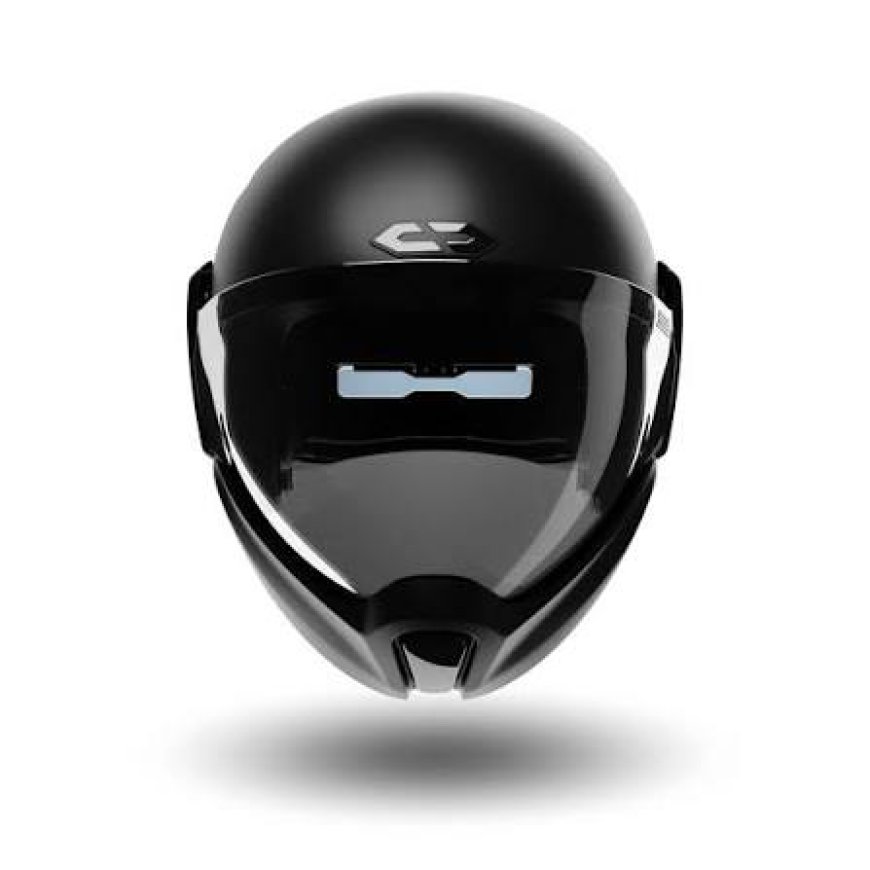
The HUD Helmet industry is witnessing rapid technological integration, transforming rider safety and experience through augmented reality displays and smart connectivity. With increasing adoption in motorcycling and defense sectors, market dynamics reveal substantial business growth and expanding market opportunities driven by innovation and consumer demand.
Market Size and Overview
The HUD helmet market is estimated to be valued at USD 286.6 Mn in 2025 and is expected to reach USD 1827.6 Mn by 2032, growing at a compound annual growth rate (CAGR) of 30.3% from 2025 to 2032.
This HUD Helmet Market Growth is propelled by advancements in head-up display technologies and increasing consumer inclination towards connected and safer riding gear. Emerging Industry trends suggest the adoption of HUD helmets is accelerating across recreational and professional applications, providing new market opportunities and expanding the market scope significantly.
Market Segments
The HUD Helmet market is segmented primarily into Product Type, Application, and Technology.
- Product Type: Includes Motorbike HUD Helmets, Aviation HUD Helmets, and Defense/ Military HUD Helmets. Among these, Motorbike HUD helmets remain the dominant segment, valued at over 65% of the overall market revenue in 2025, driven by rapid penetration in Asia-Pacific markets. Defense HUD helmets represent the fastest-growing sub-segment, with adoption increasing by over 35% in 2024 due to advances in battlefield visibility technologies.
- Application: Categorized into Commercial and Military sectors. Commercial applications dominate through motorcycle rider safety enhancements, while Military applications report a compound growth rate surpassing 32%, supported by government defense initiatives.
- Technology: Split between Optical Waveguide, Micro-LED, and LCOS display types. Optical Waveguide technology holds dominance owing to superior clarity, though Micro-LED is the fastest-growing technology sub-segment, reflecting a 28% increase in integration for enhanced display efficiency in 2024 market revenue reports.
Market Drivers
One of the key market drivers includes the rapid advancement in augmented reality (AR) and integrated sensor technology, significantly elevating helmet functionality beyond basic protection. According to 2024 market insights, a 40% increase in consumer demand for smart helmets equipped with navigation and hazard detection features catalyzed this growth. Additionally, stricter government regulations on rider safety across Europe and North America have bolstered the adoption curve for HUD helmets, underscoring dynamic shifts in market growth strategies and industry trends.
Segment Analysis: Product Type
Focusing on the Motorbike HUD Helmet segment, it accounts for substantial market revenue, driven by enhanced rider interfaces allowing real-time navigation, speed, and hazard alerts. Case studies from 2025 demonstrate that models launched by key players incorporating voice command and smartphone connectivity witnessed a 25% growth in sales, highlighting consumer preference for multifunctional helmets. Conversely, the Defense HUD Helmet segment surged due to tactical advantages, with an increasing number of military personnel equipped with helmets integrating night vision and target acquisition systems. This dual-segment growth reflects the expansive market scope and revenue potential.
Consumer Behavior Insights
Recent consumer behavior analysis from 2024-2025 reveals three significant shifts impacting the HUD Helmet market:
- Increased Digital Integration Preference: Riders are increasingly adopting helmets with app connectivity features, as reported in a 2025 survey where over 60% of users preferred helmets compatible with smartphone applications for enhanced digital consumption habits.
- Pricing Sensitivity Paired with Feature Demand: While consumers seek cutting-edge technology, a reported 58% indicated willingness to invest in mid to high-end pricing tiers if safety and customization functionalities are met, illustrating refined decision-making patterns.
- Sustainability and Eco-Friendly Materials: Demand for helmets made from sustainable and recyclable materials grew by 20% in 2024, driven by environmentally conscious buyers prioritizing green manufacturing processes.
Key Players
Leading market players driving growth and innovation include Dig Lens Inc., NUVIZ Inc., Japan Display Inc., BMW Motorrad, and SHOEI ASIA CO., LTD., among others. In 2024-2025, many of these companies focused on capacity expansions, with BMW Motorrad entering new regional markets in Asia-Pacific and NUVIZ launching next-generation heads-up display modules, which boosted respective market revenues by approximately 18% and 22%. Product launches emphasizing enhanced connectivity and comfort have become a significant competitive edge for these market companies.
Key Winning Strategies Adopted by Key Players
- Dig Lens Inc. (2025): Introduced AI-powered HUD helmets with predictive hazard analytics, leading to a 30% increase in market demand, setting a new benchmark for safety features not commonly adopted across the industry.
- BMW Motorrad (2024): Implemented strategic regional partnerships coupled with localized customization options, which resulted in a notable expansion of consumer base in emerging markets, enhancing regional business growth and profitability.
- NUVIZ Inc. (2024): Pioneered a modular HUD helmet design enabling easy upgrades and replacements, reducing product obsolescence and fostering sustainable consumption, a market growth strategy revered for its innovative approach.
FAQs
1. Who are the dominant players in the HUD Helmet market?
Key market players include Dig Lens Inc., NUVIZ Inc., Japan Display Inc., BMW Motorrad, and SHOEI ASIA CO., LTD., who lead with continuous innovation and regional expansion.
2. What will be the size of the HUD Helmet market in the coming years?
The market size is forecasted to grow from USD 286.6 million in 2026 to USD 1827.6 million by 2033, at a CAGR of 30% driven by rising adoption and technological advancements.
3. Which end-user industry has the largest growth opportunity?
Motorcycle applications dominate the HUD Helmet market, but the Defense sector is the fastest-growing segment due to increased demand for advanced tactical helmets.
4. How will market development trends evolve over the next five years?
Market trends indicate growing integration of augmented reality and AI technologies in helmets, alongside increasing consumer preference for connected and eco-friendly devices.
5. What is the nature of the competitive landscape and challenges in the HUD Helmet market?
The competitive landscape is dynamic with strong focus on innovation and regional expansions; however, challenges include high production costs and the need for regulatory compliance across regions.
6. What go-to-market strategies are commonly adopted in the HUD Helmet market?
Companies frequently employ new product development, regional partnerships, and modular product designs to broaden market penetration and sustain business growth.
‣ Get more insights on : HUD Helmet Market
‣ Get this Report in Japanese Language: HUDヘルメット市場
‣ Get this Report in Korean Language: HUD헬멧시장
‣ Read More Related Articles - Singapore Embraces Driverless Transport With Growing Network of Autonomous Vehicle Trials
Author Bio:
Sakshi Suryawanshi is a Research Consultant with 6 years of extensive experience in market research and consulting. She is proficient in market estimation, competitive analysis, and patent analysis. Sakshi excels in identifying market trends and evaluating competitive landscapes to provide actionable insights that drive strategic decision-making. Her expertise helps businesses navigate complex market dynamics and achieve their objectives effectively.